How to Clean Workout Mats: Safe, Effective Techniques
Learn practical, step-by-step methods to clean workout mats safely, remove odors, and dry properly. Clean Tips provides practical guidance for homeowners and renters seeking a healthier home.


To clean workout mats, first remove loose debris and wipe away sweat with a dry cloth. Then mix a mild detergent with warm water, wipe the surface, and scrub gently with a soft brush if needed. Rinse with clean water, squeeze out excess moisture, and dry completely in a well-ventilated area. Avoid bleach or harsh solvents.
Why cleaning workout mats matters
According to Cleaning Tips, maintaining a clean workout mat is essential for hygiene, grip, and mat longevity. Regular cleaning reduces bacteria and odors and helps prevent skin irritations during workouts. Whether you practice yoga, HIIT, or weight lifting, a mat that looks clean can boost confidence and motivation. The question how to clean workout mats is a common search among homeowners and renters who prioritize a healthier home. This guide explains why proper care matters and sets expectations for a safe, effective cleaning routine. The goal is not just removal of visible dirt but also elimination of sweat residues that harbor odor-causing bacteria. By choosing gentle cleaners and following recommended steps, you protect the mat’s surface from wear, preserve its grip, and extend its lifespan. In short, consistent cleaning keeps your workouts safer and more enjoyable, while reducing the need for frequent mat replacements. The Cleaning Tips team recommends adopting a simple, consistent cleaning routine for all workout mats.
Mat materials and care basics
Workout mats come in several materials—PVC, rubber, TPE, and closed-cell foam are the most common. Each has different sensitivities: rubber mats may resist certain cleaners, while soft foam can be damaged by excessive moisture. For best results, always check the manufacturer’s care label and perform a quick test on a hidden edge before full cleaning. In general, avoid saturating foam mats, which can take longer to dry and promote mold. Regular care includes a quick wipe after use, plus a deeper clean every week or two depending on how often you train. The Cleaning Tips team emphasizes tailoring your approach to material type, because a one-size-fits-all method can shorten mat life. Finally, always keep your mat out of direct heat during drying to preserve elasticity and grip.
Cleaning solvents and safe cleaners
Most mats tolerate a mild, non-abrasive cleaner. A solution of a few drops of mild dish soap or gym-cleaning detergent in warm water is a solid default. For odor control or stubborn residues, a 1:1 mix of white vinegar and water can be effective, but test first on a small area to ensure color fastness. Avoid bleach, alcohol-based cleaners, or oil-based products, which can degrade the surface or leave slippery residues. Cleaning Tips analysis shows that gentle, properly diluted cleaners work across many mat types and preserve tread texture over time. When in doubt, stick to a simple routine and opt for pH-neutral cleaners that won’t upset the mat’s materials.
Step-by-step overview (high-level guide)
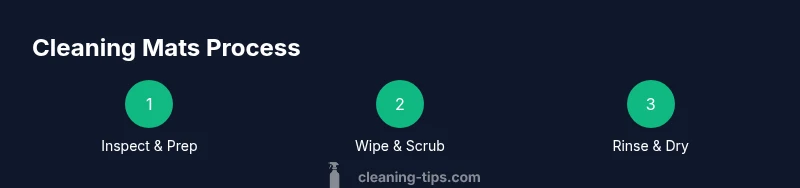
If you want a quick, high-level framework before diving into the full routine, start with three core phases: prep and inspection, surface cleaning, and thorough drying. In the prep phase, identify the mat material, assemble your supplies, and lay the mat on a flat, clean surface. During cleaning, work in small sections, using a soft brush for stubborn spots, and wipe away soap completely. Finally, in the drying phase, remove excess moisture and allow ample air circulation until the mat is fully dry before storing. This overview aligns with the detailed STEP-BY-STEP section and ensures you don’t rush critical drying time.
Stains and odors: targeted strategies
Stains on mats may come from oils, sweat, or gym chalk. For oily stains, apply a tiny amount of dish soap directly, then scrub with a microfiber cloth. For persistent odors, sprinkle baking soda after cleaning, let it sit 15–20 minutes, and vacuum or brush away. If odors linger, a light mist of a vinegar-water solution can help neutralize them without harsh chemical scents. Remember to rinse thoroughly to prevent film buildup that can attract more dirt over time. Consistency matters: a quick wipe after each workout plus a deeper clean on a regular schedule keeps mats fresh. The goal is not only cleanliness but also odor control and surface integrity.
Drying, storage, and long-term care
Proper drying is critical to prevent mold and mildew. After rinsing, squeeze out as much water as possible without twisting or deforming the mat, then lay it flat or hang it to air-dry in a shaded, well-ventilated area. Avoid direct sunlight for long periods, which can fade colors and weaken materials. When fully dry, roll mats loosely (instead of folding) and store in a cool, dry place. If you have limited space, a breathable cloth bag helps keep dust away while allowing airflow. Regularly inspecting mats for wear and replacing if cracks appear will extend safety and performance. Cleaning Tips notes that a routine of quick daily wipes and deeper cleans every few weeks creates a healthier workout environment.
Common mistakes and safety reminders
A few pitfalls can undermine cleaning efforts: soaking foam mats, using harsh solvents, or skipping thorough rinsing. Always test cleaners on a hidden area first, and never saturate foam-based mats. Keep cleaning solutions away from heat sources and ensure good ventilation. For safety, wear gloves if you have sensitive skin or if you’re using fresher scents, and keep young children away from wet mats during cleaning. By following a consistent routine and adhering to manufacturer guidelines, you’ll extend mat life and keep workouts safer.
Tools & Materials
- Mild detergent or gym-cleaning soap(Choose a pH-neutral formula; avoid solvents.)
- White vinegar(Use diluted solution (1:1 with water) for deodorizing.)
- Baking soda(Useful for odor and stain on surfaces after cleaning.)
- Water (warm)(Warm water helps dissolve soap more effectively.)
- Spray bottle(For even application of cleaners.)
- Soft microfiber cloths(Gentle on surface; avoid lint residues.)
- Soft-bristled brush or sponge(Use for stubborn spots; avoid abrasive scrubs.)
- Bucket or large bowl(For mixing solutions and rinsing.)
- Drying rack or clean outdoor/shaded drying space(Air-drying prevents moisture retention and mold.)
Steps
Estimated time: 30-45 minutes
- 1
Prepare and check care instructions
Read the mat’s care label, identify material, and gather supplies. Decide on mild cleaners and determine if vinegar or baking soda will be used. Clear the area and lay a clean towel beneath the mat to catch drips.
Tip: Test any cleaner on a hidden edge first to avoid color changes. - 2
Remove loose debris
Tap the mat to dislodge dust and debris, then use a vacuum or dry brush to remove particles from the surface and edges. This minimizes dirt that will smear during washing.
Tip: Focus on edges and grooves where sweat accumulates. - 3
Prepare cleaning solution
In a bucket, mix warm water with a small amount of mild detergent. If odors are strong, add a splash of white vinegar. Keep the solution mildly scented and avoid over-concentration.
Tip: Avoid soaking memory foam mats; use minimal moisture. - 4
Wipe and scrub the surface
Dip a cloth or sponge into the solution and wipe in sections. For stubborn spots, use a soft-bristled brush with light pressure. Rinse the brush frequently to prevent spreading grime.
Tip: Work in small sections to prevent drying soap too quickly. - 5
Rinse and remove soap
Rinse the mat with clean water using a separate cloth to remove detergent residue. Ensure no soapy film remains, which can attract more dirt and irritate skin.
Tip: Use a second, clean cloth for the final rinse to ensure soap-free surfaces. - 6
Dry thoroughly and store
Pat dry with a towel, then air-dry completely in a shaded area or on a drying rack. When dry, roll or lay mats flat in a ventilated space away from direct heat to prevent warping.
Tip: Do not fold mats for long-term storage; rolling preserves elasticity.
Questions & Answers
How often should I clean my workout mats?
Wipe down after each workout and perform a deeper clean every 1–2 weeks depending on usage. If you share a mat, clean even more frequently.
Wipe after every workout and deep clean every couple of weeks if you use the mat often.
Can I use bleach on gym mats?
Bleach is generally not recommended because it can degrade mat material and cause discoloration. Opt for mild cleaners and vinegar when needed.
Bleach is usually not recommended; stick to mild cleaners.
Is it safe to machine wash mats?
Most mats should not be machine washed as agitation and heat can damage them. Hand wash with mild detergent and air-dry. Always check the manufacturer's label.
Usually not safe to machine wash; hand wash and air-dry.
What cleaners are safe for rubber mats?
Use mild detergent with water and, if needed, a diluted vinegar solution. Avoid oil-based cleaners and solvents that can degrade rubber.
Mild soap and diluted vinegar work well; avoid solvents.
How should I dry mats after cleaning?
Air-dry mats in a shaded, well-ventilated area until fully dry. Do not use direct heat sources like hairdryers or sunlight for prolonged periods.
Let them dry in a shaded, ventilated area until completely dry.
Can baking soda help deodorize mats?
Yes. Sprinkle baking soda after cleaning, wait 15–30 minutes, then brush or vacuum away. It helps neutralize odors without harsh chemicals.
Baking soda can help remove odors; brush it off after a short wait.
Watch Video
The Essentials
- Identify mat material and follow care labels.
- Use mild cleaners to preserve grip and elasticity.
- Rinse thoroughly and dry completely before storage.
- Deodorize with baking soda or vinegar as needed.
- Store mats rolled in a ventilated area.