How to Clean Workout Clothes: A Practical Guide
Learn how to clean workout clothes correctly to remove sweat odors, protect fabrics, and extend athletic wear life. Step-by-step methods, fabric care tips, and safety reminders for homeowners and renters.


This guide shows you how to clean workout clothes effectively, preserving fabric performance and odor control. You'll learn how to read care labels, choose the right detergent and temperature, and dry properly to extend garment life. Follow the step-by-step method to remove sweat stains, avoid color transfer, and keep athleisure gear fresh between workouts.
Why Clean Workout Clothes Properly Matters
Workout fabrics are engineered to wick moisture and stretch, but sweat and body oils can build up if clothes aren't cared for properly. Over time, odors can become ingrained, fabrics can lose elasticity, and colors may dull. Understanding how to clean workout clothes helps maintain performance, prolong garment life, and reduce skin irritation from residue. According to Cleaning Tips, paying attention to fabric type, water temperature, and drying method makes a noticeable difference in how your gear feels after a workout. When you learn how to clean workout clothes effectively, you also reduce environmental impact by using the right amount of detergent and avoiding unnecessary rewashing. This practical guide translates these concepts into a reliable routine you can trust week after week, whether you’re training for a marathon or managing a busy family schedule.
The reader will discover common fabric pitfalls, like pilling on blends or color fading on neon prints, and how small changes to washing routines yield big results. Cleaning Tips analysis emphasizes consistency: choosing a gentle wash, avoiding harsh chemicals, and air-drying when possible. By following the steps here, you’ll keep moisture management high, skin irritation low, and your athletic wardrobe comfortable for longer.
Materials and Fabrics: What Different Fabrics Need
Athletic wear comes in a range of fabrics—from polyester and nylon blends to cotton-rich jerseys and spandex-containing garments. Each fiber behaves differently in wash conditions, so it’s important to tailor care. Polyester and nylon blends are usually durable, resist shrinking, and tolerate cold water well, which helps preserve elasticity and color. Cotton blends offer softness but can hold onto sweat more; they may require occasional warm washes for thorough deodorization. Spandex or elastane-containing pieces need gentler handling to avoid loss of stretch over time. For best results, always start by reading the garment’s care label, then separate cycles by fabric type and color. The Cleaning Tips team suggests a simple rule: treat delicate fabrics with care, treat color-fast items separately, and don’t mix drying methods for different fabrics in the same load. CleaningTips-approved routines underscore that consistent washing with appropriate detergents reduces odor buildup and extends wear life across athletic wardrobes.
In practice, create two or three piles: whites, colors, and delicates. Use mesh bags for delicate tops, straps, or items with hardware; avoid washing with heavy outerwear that can snag or twist lightweight fabrics. When in doubt, opt for a gentle cycle and cold water to minimize fiber stress. This approach not only preserves fabric integrity but also helps you feel more confident about your post-workout laundry routine.
The goal is to preserve fit, breathability, and moisture management in performance fabrics while still achieving a fresh, odor-free result. With the right fabric knowledge and a simple sorting system, you can keep workout clothes looking and feeling new through countless workouts.
Pre-Treating Stains and Odors
Sweat stains and deodorant residues are the most common culprits in workout clothes. Pre-treating stains promptly can dramatically improve wash results. Start with a stain remover or a small amount of liquid detergent applied directly to the affected areas. For delicate fabrics, avoid rubbing too hard; instead, gently blot with a soft brush or cloth to lift soils without damaging fibers. If you prefer a natural approach, a diluted white vinegar solution (1 part vinegar to 4 parts water) can help neutralize odors, especially on older gear.
Odors linger when sweat becomes trapped in fabric fibers. A pre-soak for 10–20 minutes in cold water with a half-caste of enzyme-based detergent can begin to break down body oils before the main wash. After pre-treating, load garments as described in the next sections. The aim is to lift soil and oils before the main wash so your detergent can perform more efficiently. Remember to always check care labels for any restrictions on pretreatment and testing on inconspicuous areas first.
In a practical weekly routine, you might pretreat after workouts, rinse, and then begin the regular wash cycle. This approach minimizes odor transfer and reduces the need for repeated washings, which helps preserve fabric integrity over time. As Cleaning Tips notes, a little upfront prep goes a long way toward keeping athletic wear fresh and ready for the next session.
Detergents and Additives: What to Use and Avoid
Choosing the right detergent is a cornerstone of successful athletic laundry. Look for enzyme-containing detergents designed for activewear; enzymes help break down sweat and oily residues without harshly scrubbing fibers. Avoid chlorine bleach on most colored athletic fabrics, as it can cause color fading and fiber damage. If you’re washing white or light-colored items, consider a color-safe, oxygen-based bleach used sparingly and only as directed on the label. Fabric softeners are generally discouraged for workout clothes because they can coat fibers and reduce moisture wicking and breathability in performance fabrics.
Some athletes add a small amount of white vinegar during the rinse cycle as a natural deodorizer and to reset fibers’ softness. Baking soda can also boost odor removal when used in moderation. The key is to measure carefully and avoid overdosing, which can leave residues on fabrics. For best results, always select a detergent formulated for activewear and follow the garment’s care label guidance. In addition to detergents, you can use a mesh bag for delicate items and ensure you’re washing similar fabrics together to prevent abrasion and pilling.
As you fine-tune your routine, you’ll notice that scent and softness improve when you pair proper detergent choices with appropriate wash cycles. Cleaning Tips recommends following the care labels and staying consistent with your product selection to achieve reliable outcomes.
Water Temperature, Detergent Amount, and Washing Cycles
Cold water is typically enough for most gym clothes and helps protect elasticity, color, and fiber structure. It also reduces energy use and minimizes dye bleed between items. For heavily soiled or deodorant-stained fabrics, a slightly warmer wash (not hot) can be used, but avoid exceeding 30–40°C unless the label explicitly permits it. Use the recommended detergent amount; too little detergent won’t clean, and too much can leave residues that irritate skin or dull fabrics. If you’re washing multiple items, avoid overloading the machine so water and detergent can circulate evenly.
Select a gentle or athletic wear cycle if your machine offers one. If not, a normal cycle with cold water is typically fine for most athletic fabrics. For items with zippers, sequins, or delicate trims, consider placing them in a mesh laundry bag to protect both the garment and the washing machine drum. After the cycle ends, promptly remove garments to reduce wrinkles and prevent setting any remaining odors.
In a busy schedule, you can streamline by setting up a weekly wash for gym clothes only and using a consolidated load every few days. The key is to protect the integrity of the fabrics while ensuring odors and soils are removed efficiently. Cleaning Tips suggests keeping a small jar of baking soda or a bag of enzyme-based detergent on hand to simplify dosing for shorter laundry sessions.
Finally, avoid hot water on performance fabrics, which can degrade elasticity, reduce moisture-wicking properties, and shorten wear life. When in doubt, test a small inconspicuous area of the fabric and escalate only if the label confirms it’s safe.
Drying and Freshening Between Sessions
Air drying is the preferred method for most workout clothes because it preserves elasticity and prevents heat damage from dryers. Hang garments on a rack or lay flat on a clean surface away from direct sunlight, which can fade colors over time. If you need to use a dryer, choose a low heat or delicate setting and remove items promptly to minimize wrinkles. Drying racks or lines help maintain garment shape and shorten recovery time after drying.
Freshening between workouts is often just as important as odor removal. Avoid fabric softeners that can hamper wicking and return a heavy feel to fabrics. After washing, consider a light mist of odor-neutralizing spray or a small amount of air-dry-safe fabric refresher. Some athletes use a rinse with white vinegar followed by a short air-dry cycle to refresh fabrics without leaving residues. Regular airing between sessions can help prevent mildew on gym bags and workout gear stored in damp spaces.
Storing clean clothes properly also matters. Fold items or hang them to prevent creases and maintain shape. Store gym clothes in a dry, well-ventilated area to prevent musty smells from developing while not in use. Keeping a dedicated laundry basket or bag for gym wear ensures you always know where clean garments are waiting for the next training session. Cleaning Tips emphasizes that consistent drying and proper storage preserve fabric performance and overall freshness.
If you’re in a rush on busy days, a quick spin through your favorite cold-water cycle with a high-quality activewear detergent, followed by immediate air drying, can be a practical compromise that still maintains fabric integrity.
Stain-Specific and Advanced Care
Persistent stains or stubborn odors may require a targeted approach. For sweat stains, reapply a stain remover and let it sit for 5–10 minutes before washing. Consider a second cycle for tough soils on polyester and nylon blends. For odor retention, a periodic pre-soak with a small amount of enzyme-based detergent and cool water can help refresh fabric fibers. Avoid whitening agents on dark colors, and test any new product on a hidden seam before broad use.
If you’re dealing with mildew or mold caused by storage dampness, wash with a hotter cycle only if the care label allows it. Always inspect sports fabrics for signs of wear before washing; if fabrics show thinning at seams or pilling, reduce the washing intensity and consider hand-washing those items in the future. For tough stains on white gym wear, a diluted mixture of baking soda and water can be used as a gentle whitening treatment, but avoid using bleach on colored fabrics unless the label permits it.
For athletic shoes or accessories that come into contact with sweat, limit washing to spot-cleaning and air-drying unless instruction indicates machine washing is safe. Cleaning Tips recommends treating each item according to its fabrics and testing a small area first, as the wrong approach can cause color loss or fabric damage. With careful care, you can lift even stubborn soils without compromising garment integrity.
In practice, create a quick care checklist and stick to it each time you wash workout clothes. A consistent, fabric-friendly routine yields cleaner clothes, longer garment life, and better overall performance.
Quick Laundry Routine for Busy Weeks
When time is tight, you can implement a simplified routine that still protects fabrics and odors. Start by pre-treating any obvious stains with a stain remover or a small dab of detergent. Do not skip sorting; quickly separate whites, colors, and delicates to avoid color transfer. Use a dedicated activewear detergent in cold water on a gentle cycle, then air dry or use a low heat setting if you must use a dryer.
In this streamlined approach, you may wash gym clothes every 4–5 days, depending on your sweat level and training intensity. If you need a faster refresh, consider a quick rinse with cold water and a light spray of fabric refresher to eliminate lingering odors until the next full wash. The essential point is to preserve fabric integrity while maintaining hygiene. Cleaning Tips notes that a predictable, simple routine reduces the risk of odors and helps you stay consistent with your cleaning habits, even during busy weeks.
Tools & Materials
- Washing machine(Front-loading preferred; ensure seal is clean to prevent residue transfer)
- Detergent (enzyme-based for activewear)(Choose one formulated for sports fabrics; avoid overdosing)
- Stain remover(Color-safe option recommended; test on inconspicuous area first)
- Mesh laundry bags(Protect delicate items and hardware from snagging)
- White vinegar(Use sparingly to freshen and deodorize occasionally)
- Baking soda(Boost odor removal when added to wash)
- Measuring cup/spoon(Accurate dosing prevents residue)
- Drying rack or clothesline(Air-drying preserves elasticity)
- Soft-bristle brush(For gentle pre-treat on stubborn stains)
Steps
Estimated time: Estimated total time: 45-60 minutes
- 1
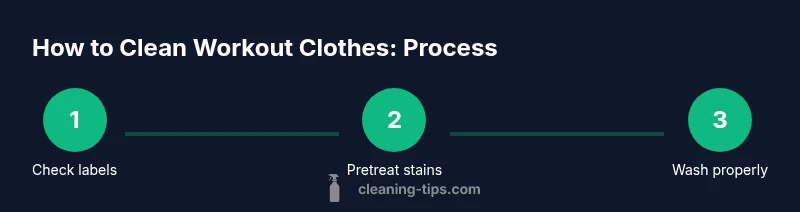
Check care labels and sort garments
Begin by reading care labels on every item. Sort by fabric type and color to prevent dye transfer and fiber damage. Prepare separate piles for whites, colors, and delicates. This ensures each item receives the appropriate wash conditions and reduces the risk of staining or shrinking.
Tip: If labels conflict, prioritize the most delicate instruction and perform a test wash on a small area. - 2
Pretreat stains and odors
Apply stain remover to visible stains and lightly rub with a soft brush if the fabric allows. Let sit for 5–10 minutes to begin breaking down soils. For tough odors, consider a cold soak with enzyme detergent prior to the main wash.
Tip: Don’t rub too vigorously on delicate areas to avoid fiber damage. - 3
Load clothes properly
Place garments in the washing machine in a loose, balanced way. Do not overload the drum; this allows water and detergent to circulate and lift soils effectively. Use mesh bags for delicate tops and any items with zippers.
Tip: Use a larger load size on weekends when you have time to do a thorough wash, but still avoid overpacking. - 4
Add detergent and boosters
Measure detergent according to the package recommendations and the load size. Add optional boosters like baking soda if odor is a recurring issue, but avoid overdosing which can leave residues on fabrics.
Tip: Keep a dedicated spoon for laundry to prevent cross-contamination of cooking ingredients. - 5
Choose wash cycle and temperature
Select a gentle or athletic wear cycle, using cold water for most fabrics. Hot water can degrade elasticity and cause color fading. If stains are stubborn, a slightly warmer setting may help, but always confirm it’s safe for the fabric.
Tip: If your machine lacks an athletic wear cycle, a normal cycle with cold water works well for most items. - 6
Dry correctly
Air-dry most gym clothes on a rack or clothesline away from direct sunlight. If you must use a dryer, choose a low heat setting and remove items promptly to prevent heat damage and wrinkles.
Tip: Use a drying rack for long coats or heavier tops to maintain shape and prevent stretching. - 7
Store clean clothes properly
Once fully dry, fold or hang garments in a dry, ventilated area. Avoid storing damp items in closed spaces, which can promote mildew. Keep gym wear separated from everyday clothing to prevent cross-contamination of odors.
Tip: A small, ventilated bin in a closet helps keep gym gear organized and fresh.
Questions & Answers
Can I machine wash all workout clothes?
Most athletic wear is machine washable, but always check care labels. Delicate items may require mesh bags or hand washing to avoid damage.
Most gym clothes are machine washable, but always check the care label first.
Should I wash damp workout clothes right away?
Washing damp clothes promptly helps prevent odor and mildew. If you can’t wash immediately, rinse and wring out excess water before storing in a breathable bag.
Yes, wash damp gear soon after use whenever possible to prevent odors.
Can I wash athletic wear with regular clothes?
Pair gym clothes with similar fabrics and colors. Avoid mixing heavy items like towels or denim that can cause abrasion or color transfer.
Best practice is to wash sportswear separately or with other lightweight activewear.
Is fabric softener OK for workout clothes?
Most performance fabrics don’t respond well to fabric softeners. They can reduce moisture-wicking and elasticity. Use them sparingly or avoid altogether.
Generally, avoid fabric softeners on athletic gear.
Is vinegar safe for washing sports fabrics?
White vinegar can help deodorize and soften fabrics when used in small amounts during rinse. Test first on a hidden seam and avoid using vinegar with bleach.
Yes, in small amounts and with caution.
What about stains on logos or prints?
Treat stains gently with a stain remover suitable for prints. Avoid abrasive scrubbing that can peel or crack logos.
Treat logos carefully to avoid damage.
Watch Video
The Essentials
- Read labels before washing.
- Choose enzyme-based detergent for activewear.
- Air-dry to preserve elasticity.
- Pretreat stains promptly for best results.
- Avoid hot water and high heat settings.