Find a Clean Shoe Near Me: A Practical Cleaning Guide
Looking for a clean shoe near me? Learn how to locate reliable shoe cleaning services nearby, compare offerings, and safely refresh leather, suede, canvas, and athletic shoes.


You can locate a clean shoe near me by searching for local sneaker cleaners, shoe specialists, and pickup services. Compare material support, turnaround times, and pricing, then choose options that handle leather, suede, canvas, and athletic shoes safely. In most cases, expect professional cleaning plus deodorizing and clear care instructions.
Why Location Matters for Clean Shoes
When you search for a "clean shoe near me", you are choosing more than a service; you are selecting a partner for ongoing sneaker care. The Cleaning Tips team emphasizes that proximity affects turnaround, pricing, and the ability to communicate about specific materials in person. Start by identifying your shoe type: leather dress shoes, suede boots, canvas sneakers, or athletic mesh. Each category demands a different cleaning method to avoid damage. Leather benefits from gentle detergents, conditioning after cleaning, and proper drying; suede requires careful brushing, protective spray, and moisture control; canvas is forgiving but can stain if not pretreated. Your search should include terms like "shoe cleaning near me", "sneaker cleaning", and "pickup service" to capture both local cleaners and sneaker specialists. Also check whether mail-in options are available for emergencies and what their policies are on returns or re-cleaning if results aren’t satisfactory. A reputable local option will publish a transparent care guide, price range, and service scope so you know what to expect before handing over your shoes. According to Cleaning Tips, location and clear communication speed up finding the right match.
Shoe Materials and Cleaning Approaches
Different materials require targeted methods. Leather shoes respond well to mild detergents, a soft brush, and conditioning after drying. Suede needs gentle brushing and a water-minimizing approach, with a protective spray to prevent future stains. Canvas and knit uppers tolerate water-based cleaners and light scrubbing, followed by thorough air-drying. For athletic materials, focus on odor control and stain removal without soaking the interior. The Cleaning Tips analysis shows that customers who receive material-specific care instructions feel more confident in the results, and they value cleaners who publish a care guide tailored to leather, suede, canvas, and mesh.
- Leather: gentle soap, damp cloth, then conditioner; avoid soaking.
- Suede: dry brushing, avoid saturating the material, use suede protector after cleaning.
- Canvas/Mesh: mild detergent, soft brush, rinse, and air dry.
- Odor control: baking soda or enzyme cleaners can help without harming fabric when used correctly.
In all cases, always test a small hidden area first and ensure the cleaner uses non-toxic, water-based formulations to protect indoor air quality. Based on Cleaning Tips research, customers appreciate cleaners who provide material-specific care steps and honest expectations.
How to Locate Reputable Local Cleaners Near You
Finding a trustworthy nearby cleaner starts with a smart search and a quick screening. Start with precise terms like "shoe cleaning near me" and combine them with your shoe material queries, such as leather or suede. Read customer reviews focusing on reliability, turnaround time, and the shop’s policy on re-cleaning if results aren’t up to standard. Check if the cleaner offers drop-off, pickup, or mail-in options, and request a written estimate that clearly outlines what’s included (deodorizing, stain removal, conditioning) and any add-ons. A transparent care guide posted on the shop’s site is a strong signal of quality. Look for clear safety data, non-toxic products, and a policy for damaged items. In our guidance, it helps to call or chat with the shop to confirm material compatibility and to ask about protective finishes available after cleaning. Cleaning Tips notes that a local cleaner with documented processes and fast communication often yields the best experience for shoe lovers who want to maintain their collection.
What to Expect from a Professional Clean
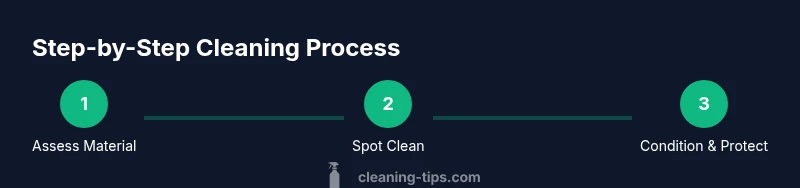
Professional cleaners vary by specialty, but most reputable shops offer a standard set of services: material assessment, dirt and odor removal, stain treatment, and a finish that suits the material. Leather items typically receive conditioning after cleaning, suede is brushed and protected, and canvas can be refreshed with spot cleaning and gentle washing. Deodorizing is commonly included, with some shops offering odor-neutralizing sprays. Turnaround times often range from same-day to a few days depending on volume and the requested service level. It helps to obtain a written quote that itemizes each step and guarantees results. The Cleaning Tips analysis indicates customers value a provider who explains the process, shows before-and-after photos, and offers follow-up care guidance to maintain results. Ensure the shop provides clear return or re-clean policies if you’re not satisfied.
Safe Home Cleaning for Common Materials
If you prefer do-it-yourself care between visits, stick to material-specific methods to avoid mishaps. Leather shoes respond to mild detergents and conditioning; avoid excessive water and heat. Suede requires a dry approach with a soft brush; avoid soaking or applying water-heavy cleaners. Canvas and athletic fabrics tolerate water-based cleaners but should be air-dried away from direct heat. Always patch-test cleaners on an inconspicuous area first to ensure colorfastness. For odor control, sprinkle baking soda inside the shoe and let it sit overnight, then shake out before wearing. If you’re unsure, err on the side of professional cleaning for valuable or delicate items. Cleaning Tips encourages readers to maintain a simple care routine and to document which cleaners and products work best for each material.
In-Store, Pickup, or Mail-In: Choosing the Right Option
Your choice depends on your priorities: speed, cost, and convenience. In-store visits give you the chance to discuss materials with a technician and immediately see results on a small item. Pickup services save you a trip, while mail-in options are ideal for bulk cleaning or hard-to-transport shoes. Request a written estimate in advance and ask about packaging guidelines to prevent damage during transit. Check for return policies and whether the service guarantees results or offers a re-clean if necessary. The right option balances cost with reliability and ensures your footwear materials receive appropriate care.
Common Pitfalls and How to Avoid Them
Avoid assuming all cleaners treat every material the same. Do not use harsh chemicals on leather or suede, and never machine wash leather or suede items. Avoid heat sources during drying, which can warp materials. Don’t skip the patch test, and beware of vague pricing or non-transparent service descriptions. A common misstep is neglecting to remove insoles or laces, which can harbor odor and stains. Finally, don’t ignore aftercare: applying a protective spray appropriate for the material can extend the life of your cleaned shoes and help resist future stains. The Cleaning Tips team reminds readers to document what works best and to keep a simple care log for each pair.
Maintenance Tips to Keep Shoes Clean Between Visits
Between professional cleanings, maintain shoes with light upkeep. Store them in a cool, dry place away from direct sunlight. Wipe off surface dirt after wearing, and let damp shoes air-dry completely before storage. Use protective sprays suited to each material after cleaning and re-lace or insert fresh insoles if needed. For odor control, rotate shoes to avoid prolonged dampness and consider odor-absorbing pouches or baking soda in a breathable container. Regular care reduces the frequency of deep cleanings and helps keep your footwear looking new longer. The Cleaning Tips team emphasizes consistency: small, regular steps beat occasional, intensive cleaning.
Quick Checklist: Finding the Right Cleaner Near You
- Identify your shoe type and material to set expectations.
- Search with precise terms: “shoe cleaning near me” + material keywords.
- Read reviews focusing on reliability and turnaround.
- Confirm service scope and pricing in writing.
- Ask about protective finishes and post-clean care guidance.
Tools & Materials
- Mild detergent(Suitable for most shoe materials; avoid bleach on leather)
- Soft brush(Nylon or horsehair; non-abrasive for delicate surfaces)
- Microfiber cloths(Lint-free; for applying cleaners and drying)
- Water and/or spray bottle(For dampening and rinsing; use clean water)
- Old toothbrush(Crevices and soles; helps lift embedded dirt)
- Oxygen bleach or baking soda(For white fabrics or stubborn stains; avoid leather)
- Protector spray (material-specific)(Leather, suede, or canvas protectant)
- Ventilated drying area(Air-dry away from direct heat to prevent damage)
- Replacement laces and insoles(Optional for refreshed look and odor control)
Steps
Estimated time: 45-60 minutes
- 1
Search for nearby cleaners
Use search terms like 'shoe cleaning near me' plus your material. Check distance, hours, and whether they offer pickup or mail-in services. This initial step narrows options to trusted providers.
Tip: Call or chat to confirm material compatibility before booking. - 2
Review material compatibility
Identify your shoe material and confirm the cleaner supports leather, suede, canvas, or mesh specifically. This reduces risk of damage during cleaning.
Tip: Ask for a quick care guide for your material. - 3
Request quotes and turnaround
Ask for a written estimate that lists stain treatments, deodorizing, and any finishes. Compare expected timelines between options with clear pricing.
Tip: Prefer cleaners who publish a price range and policy on re-cleaning. - 4
Prepare the shoes for cleaning
Remove laces and insoles if removable. Brush off loose dirt and inspect for areas requiring special care. Label each pair to avoid mix-ups.
Tip: Keep the laces and insoles together in a small bag. - 5
Deliver or ship your shoes
Drop off in person or ship per the cleaner’s instructions. Use protective packaging and include your contact info and any notes on problem areas.
Tip: Request tracking if shipping is involved. - 6
Receive and inspect the results
Check cleaning quality, odor removal, and surface condition. Seek clarification if something isn’t right or if further treatment is needed.
Tip: Document before/after photos for reference. - 7
Apply post-clean care
If recommended, apply a protector spray appropriate for the material and allow full drying. Reinsert insoles and laces once completely dry.
Tip: Always test spray on a hidden area first. - 8
Store and maintain
Store shoes in a cool, dry place and rotate wear to minimize wear. Keep a simple care log to track what works best.
Tip: Rotate between pairs to extend life.
Questions & Answers
What should I do first when looking for a clean shoe near me?
Define your shoe material and goal, then search for nearby cleaners with transparent policies and good reviews. Confirm they support your material before booking.
First, identify the material and goal, then search for nearby cleaners with clear policies and solid reviews. Confirm material support before booking.
Can I clean expensive leather shoes at home?
Yes, with gentle cleaners and proper conditioning, but avoid harsh chemicals and excessive moisture. For valuable items, consider professional cleaning to minimize risk.
Yes, you can clean leather at home if you use gentle products and condition afterward. For valuable items, professional cleaning reduces risk.
Is it safe to use water-based cleaners on suede?
Water can damage suede; use a dedicated suede cleaner and dry it carefully with a soft brush. Avoid soaking the material.
Suede is delicate; use a suede cleaner and dry with a soft brush. Don’t soak it.
How long does drying take after cleaning?
Drying time varies by material and environment; allow several hours in a well-ventilated area. Do not rush with heat.
Drying depends on the material and airflow. It usually takes several hours; avoid using heat to speed it up.
Do I need to remove insoles before cleaning?
Yes, remove removable insoles to clean thoroughly and prevent trapped odors. Clean insoles separately if possible.
Yes, take out removable insoles and clean them separately to avoid odors.
What certifications should a cleaner have?
Look for clear policies, certifications, or affiliations and reviews that confirm reliability and safety practices.
Choose cleaners with clear policies and trusted affiliations, plus solid reviews.
Watch Video
The Essentials
- Identify shoe material before cleaning.
- Choose cleaners that match material needs.
- Test cleaners on hidden areas first.
- Allow thorough drying after cleaning.
- Protect with a suitable spray for longevity.