How to Clean On Shoes: A Practical Guide for 2026
Learn how to clean on shoes with material-specific methods, safe cleaners, stain treatment, and drying tips from Cleaning Tips. This comprehensive guide covers canvas, leather, suede, odor control, and maintenance for everyday footwear.


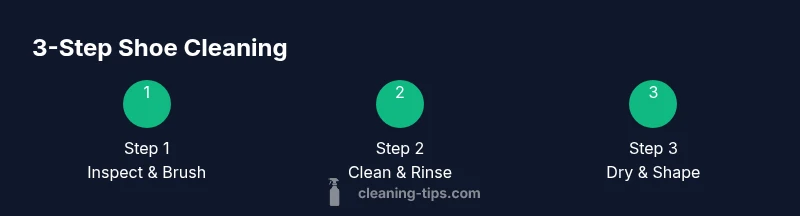
By following these steps, you will learn how to clean on shoes safely and effectively. This guide covers selecting cleaners, prep, stain treatment, material-specific methods, odor control, and proper drying to avoid damage. Expect practical, evidence-based tips from Cleaning Tips to keep sneakers, dress shoes, and casual footwear looking fresh.
Why proper shoe cleaning matters
Shoes endure daily wear, exposure to dirt, and varying weather, so learning how to clean on shoes is a practical skill that protects materials and extends lifespan. Regular cleaning prevents odor buildup and staining from setting in, keeping footwear looking newer for longer. According to Cleaning Tips, a consistent routine reduces long-term wear and helps maintain foot hygiene. Different materials react differently to water and cleaners, so start with a dry brush to remove loose dirt, then choose the gentlest effective cleaner. Care labels exist for a reason—always read them before you begin. Test any cleaner on a hidden area first to avoid color changes. With a solid routine, you’ll save money and time while enjoying fresher footwear.
Materials and prep
Before you start, assemble your supplies and plan by shoe type. You’ll want a soft-bristle brush, microfiber cloths, mild detergent, water, and a few extra towels. For leather or suede, have a dedicated cleaner suitable for those materials and consider a suede eraser for scuffs. Keep a spare pair of laces ready in case you need to swap them during cleaning. Label different cleaners for canvas, leather, and suede to prevent cross-contamination. Prepare a drying area away from direct heat and sunlight. By prepping properly, you minimize risk and maximize cleaning results, especially when you’re learning how to clean on shoes for mixed materials.
Cleaning canvas and fabric shoes
Canvas and fabric uppers tolerate mild detergents and gentle scrubbing. Mix a small amount of mild detergent with lukewarm water, dip a soft brush, and gently scrub in circular motions. Be careful not to saturate the fabric; excess moisture can lead to water stains or stiffening. Wipe away suds with a damp cloth and repeat as needed. For stubborn stains, a paste of baking soda and water can help lift marks without weakening fibers. Allow shoes to air dry in a well-ventilated area, holding laces out of the way to prevent sticking. This approach is your foundation for all fabric cleaning tasks, and it demonstrates the practical steps in how to clean on shoes.
Cleaning leather shoes
Leather requires a gentler approach to avoid drying or cracking. Use a leather-safe cleaner or a very mild detergent solution, applied with a soft cloth or sponge. Wipe in one direction to lift dirt rather than grind it into the surface. If your leather is smooth, condition after cleaning with a dedicated leather conditioner to restore moisture. For patent leather, a quick wipe with a damp cloth and a tiny amount of mild soap can restore shine without dulling the finish. Do not soak leather or submerge it in water, and always dry with a soft towel. This careful method aligns with best practices for leather care and helps you keep shoes looking refined.
Cleaning suede and nubuck shoes
Suede and nubuck are sensitive to water, so dry-cleaning methods are preferred. Use a suede brush to lift nap and remove surface dirt. For small stains, a suede eraser can be effective; avoid soaking suede, which can cause water stains and stiffness. If you must use moisture, spray a light mist of water on a hidden area and blot quickly, then brush with a suede brush as it dries. Protect suede pieces with a dedicated protector spray after cleaning. Suede requires patience and gentleness, but with the right technique you can restore texture and color without damaging the material. Remember, suede often hides watermarks, so work slowly and with minimal moisture in each pass.
Stain identification and treatment
Different stains demand different strategies. Protein-based stains (blood, sweat) benefit from a slightly cooler water approach and mild detergent, while oil-based stains (grease, ink) may respond better to cleaners designed for stains and persistence. Always test a small area first, especially on colored fabrics or leather. For white soles, a paste of baking soda and water can lift grime without harsh chemicals. If you’re unsure about a stain, start with a cautious approach and expand only when the result is satisfactory. This methodical approach to stain removal ensures you don’t accidentally damage fabrics or dyes while cleaning on shoes.
Drying, deodorizing, and storage
After cleaning, air dry shoes away from direct heat sources. Use newspaper or paper towels to help absorb moisture and maintain shape, replacing them as needed. To combat odors, sprinkle a light amount of baking soda inside the shoe and let it sit overnight, then shake out before wearing. For breathable storage, use shoe trees or stuff shoes with clean tissue to help them retain their form. Returning shoes to their original shape after cleaning is essential for comfort and longevity. A dry, odor-free shoe is far more comfortable to wear and easier to maintain over time.
Common mistakes and safety considerations
Common errors include oversoaking fabrics, using harsh solvents on leather, or neglecting to test cleaners. Always start with the mildest option and escalate only if necessary. Do not put suede or leather directly into a washing machine, and avoid heating elements like hair dryers, which can warp materials. If you have leather or suede, consider using specialized products designed for those materials rather than generic cleaners. By avoiding these pitfalls, you’ll protect the integrity of your shoes while learning how to clean on shoes more effectively.
Quick routine for everyday care
For everyday upkeep, perform a light dry brush after each wear to remove surface dirt, then wipe with a damp cloth and mild soap if needed. Use a dedicated cleaner only when stains appear, and let shoes air dry completely before storing. This quick routine keeps most sneakers and casual shoes in good condition between deeper cleanings. Consistency is key, and small, regular steps add up to dramatically improved appearance and longevity over time.
Tools & Materials
- Soft-bristle brush(Use for dry brushing and gentle scrubbing)
- Microfiber cloths(For wiping and applying cleaners)
- Mild detergent or sneaker cleaner(Avoid harsh chemicals on delicate materials)
- Water (lukewarm)(Do not use hot water on delicate fabrics)
- Baking soda(For odor control and stain lifting on fabrics)
- White vinegar(Small amount for odor and mineral buildup)
- Leather conditioner(Apply after cleaning leather shoes)
- Suede brush(Special brush for suede and nubuck)
- Suede eraser(For minor scuffs on suede)
- Old towels or newspapers(Absorb moisture during drying)
- Shoe trees or stuffing material(Maintain shape while drying)
Steps
Estimated time: 30-45 minutes
- 1
Inspect and read care labels
Begin by checking the shoe’s care label. Identify the material and recommended cleaners. This helps you choose the safest method before you begin cleaning on shoes.
Tip: Always test a hidden area first to verify colorfastness. - 2
Dry brush to remove loose dirt
Use a soft-bristle brush to remove loose dirt, dust, and debris. Brushing helps prevent pushing dirt deeper into fibers during washing.
Tip: Brush in one direction to lift nap on fabrics like suede. - 3
Prepare cleaning solution
Mix a small amount of mild detergent with lukewarm water. Dip a cloth or brush into the solution and wring out excess moisture before applying.
Tip: Keep moisture minimal to avoid soaking sensitive materials. - 4
Clean canvas/fabric uppers
Gently scrub canvas or fabric uppers with the solution, focusing on stained areas. Wipe away suds with a damp cloth and repeat as needed.
Tip: For stubborn stains, a baking soda paste can help lift marks. - 5
Clean leather uppers
Apply a leather-safe cleaner with a soft cloth. Wipe in one direction and avoid saturated fabrics. After cleaning, apply a conditioner to restore moisture.
Tip: Do not soak leather; moisture can cause warping or cracking. - 6
Clean suede/nubuck accents
Use a suede brush to restore nap. For stains, use a suede eraser and brush again after erasing. Avoid excess moisture.
Tip: Always test on a concealed area of suede first. - 7
Rinse and wipe away residue
Wipe away any remaining soap with a clean, damp cloth. Remove all soap to prevent residue that could attract more dirt.
Tip: Change cloths if they become soapy or dirty. - 8
Dry and reshape
Stuff with paper towels or newspaper to absorb moisture; use shoe trees if available. Allow to air dry away from heat sources.
Tip: Avoid direct sun exposure which can fade colors.
Questions & Answers
Should I remove laces before cleaning?
Yes. Remove laces to prevent staining and to clean every surface. Laces can be washed separately or replaced if they look worn.
Yes—remove laces to clean thoroughly, then wash or replace them.
Can I machine wash sneakers?
Some canvas sneakers can be machine washed on a gentle cycle, but you should avoid leather or suede. Use a laundry bag and air dry afterwards.
Machine washing is only suitable for certain fabrics; check care labels first.
How do I clean white soles without turning them yellow?
A baking soda paste or white toothpaste can lift scuffs on white soles. Use a soft brush and rinse thoroughly to prevent residue buildup.
For white soles, a mild paste works well; rinse to avoid residue.
How long should shoes air dry?
Air-dry shoes for several hours to overnight, depending on humidity and material. Avoid direct heat to prevent damage.
Most shoes dry overnight in a well-ventilated area.
Is there a safe cleaner for leather?
Yes. Use cleaners formulated for leather or mild soap with water, followed by a conditioner. Avoid harsh solvents that can dry or crack the material.
Choose leather-safe cleaners and condition after cleaning.
Can I use vinegar on all shoes?
Vinegar can help with odors and mineral buildup on some fabrics, but test first and avoid prolonged contact on leather or suede.
Test vinegar on a hidden spot before use and avoid leather.
Watch Video
The Essentials
- Start with a dry brush to remove loose dirt.
- Use material-specific cleaners to avoid damage.
- Air dry completely and reshape shoes for longevity.
- Test cleaners first on inconspicuous areas.
- Regular maintenance extends life and appearance.