How to Clean Suede Shoes: A Practical Guide
Learn safe, proven methods to clean suede shoes, remove stains, and protect nap and color. This step-by-step guide from Cleaning Tips helps you keep footwear looking new longer.


Safely clean suede shoes by using a suede brush, suede eraser, and protective spray, following a careful, stain-by-stain approach. Start with dry cleaning, then target specific marks, and finish with proper drying to avoid water damage. Cleaning Tips provides a practical method to restore color and texture while preserving the nap and softness.
Why suede cleaning requires special care
If you’re learning how to clean suede shoes, you’ll quickly notice that suede is more vulnerable than other leathers. The nap—a tiny fiber on the surface—sways with every touch, so dirt can cling and stains can sink deeper. Cleaning them safely means respecting the nap, avoiding soaking, and choosing tools designed for suede. According to Cleaning Tips, regular brushing and prompt stain treatment can prevent permanent discoloration and texture changes. The Cleaning Tips team found that aggressive scrubbing with generic cleaners can flatten the nap, leaving dull patches and uneven color. This is why a gentle, deliberate approach matters for longevity and appearance. Start by inspecting the pair under natural light to identify the nap direction, the severity of staining, and whether the shoes are nubuck or genuine suede, since the care approach varies slightly between these materials. With the right mindset and tools, you can restore the soft sheen and maintain a uniform look, even after several outings in wet or dusty conditions. Throughout this guide you’ll learn the steps that a careful cleaner uses to keep suede shoes looking like new.
Understanding suede and why it stains easily
Suede footwear is made from the underside of animal hide, giving it a velvety nap that traps dirt and moisture more readily than smooth leather. The nap’s orientation matters: brushing with or against it can alter texture and shade. Suede is porous, so liquids can soak in quickly and leave marks if not addressed promptly. This is why suede cleaning requires patience and a light touch. Nubuck, a similar material, behaves a bit differently when exposed to water; the nap sits a touch flatter and can be more durable, but still benefits from the same cautious approach. When you see a stain, remember that you’re not just removing color—you’re lifting and re-aligning fibers to restore texture. Regular care, including brushing after wear and protecting with a suede-safe spray, helps prevent stubborn staining and uneven patches. Cleaning Tips emphasizes building a routine that fits your climate and footwear style to maintain color, nap height, and overall appearance. By understanding suede’s unique properties, you’ll be better prepared to tackle spills, scuffs, and everyday dirt.
Tools and materials you’ll need
Preparing the right toolkit is essential for successful suede cleaning. The Cleaning Tips team recommends using dedicated suede tools and gentle cleaners to avoid damaging the nap. Here's a practical list you can pull together before you start:
- soft-bristled suede brush (essential)
- suede eraser (essential)
- white microfiber or soft cotton cloth (essential)
- nubuck/suede brush (optional but helpful for nap restoration)
- suede protector spray (essential)
- cornstarch or talcum powder (optional, for oil stains)
- mild white vinegar (optional, for stubborn marks; test first)
- small spray bottle and clean water (optional, for precise dampening)
- paper towels or clean old t-shirt (for blotting)
Pro tip: keep Cleaning Tips-approved tools in a designated kit so you’re always ready for quick touch-ups. The right tools prevent over-scrubbing and reduce the risk of ruining the nap.
Baseline cleaning workflow for suede shoes
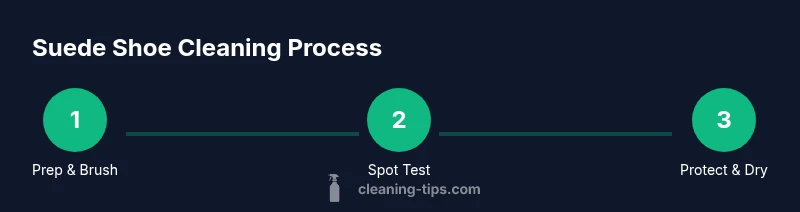
A solid baseline workflow sets the groundwork for all suede cleaning tasks. Start with the dry-cleaning phase to remove loose dirt and surface dust without introducing moisture that can damage the nap. Then proceed to targeted stain work, applying cleaning agents sparingly and testing first on a hidden area. This approach minimizes risk and preserves color and texture. After cleaning, use a gentle brush to restore the nap by brushing in the direction of the fibers. Finally, allow the shoes to dry completely in a well-ventilated area away from direct heat or sunlight. Drying in a controlled environment reduces the chance of water marks and warping. Regular follow-up brushing keeps nap uniform and helps any re-fluff after wear. Cleaning Tips notes that consistency matters as much as technique; a quick, repeatable routine yields better long-term results than one-off heavy cleanings.
Handling common stains: water, oil, and salt
Water stains hinge on the nap’s ability to rebound when dried. Lightly dampen a cloth and gently dab (don’t rub) toward the nap, then allow air-drying. For oil stains, sprinkle cornstarch or talcum powder on the mark and let it sit for 15-20 minutes to absorb oil before brushing away. Salt stains occur after a snowy or rainy day; blot the area, then use a small amount of clean water to carefully lift the salt and blot dry. In all cases, avoid saturating suede, as excessive moisture can cause permanent discoloration. Cleaning Tips recommends performing stain-specific steps in a well-lit area and testing any cleaner before broad application to prevent unexpected color changes.
Quick fixes for urgent messes
When you need a fast rescue, start with dry cleaning to remove surface debris, then handle stains with targeted erasers or gentle spot treatments. If you’re racing to salvage footwear before an event, focus on quick nap restoration with a soft brush and avoid heavy scrubbing. For shiny spots, a light brushing can help break up the reflection from the nap and give a more even appearance. Always monitor the nap’s texture as you work; if you notice dull patches or stiffness, pause and reassess the area before proceeding. Quick fixes are helpful, but they work best as part of a structured cleaning routine rather than as a one-off solution.
Drying, nap restoration, and finishing touches
Drying is critical to prevent water rings and nap distortion. After cleaning, place the shoes in a ventilated area away from direct heat and sunlight. Once dry, use the suede brush to re-fluff the nap by brushing in the natural grain direction. If a stain remains, repeat the appropriate treatment with minimal moisture. Finishing touches include applying a suede protector spray in a light, even coat and allowing it to dry completely before wearing. Remember to store suede shoes in a cool, dry place and consider using shoe trees to maintain shape. Sustainable care means spacing cleanings and wearing clean, well-protected pairs to keep color and texture consistent over time. Cleaning Tips recommends periodic re-brushing and re-protection as part of ongoing upkeep.
Maintenance and protection to extend suede life
Maintaining suede shoes requires consistency and a proactive approach. Schedule regular brushing after wear, especially in damp or dusty conditions. Reapply protective spray every few months or after deep cleaning to reinforce the nap’s resilience against moisture and stains. For storage, keep suede away from direct sunlight and extreme temperatures, ideally in a dust bag or shoe box to prevent scuffing. If you wear suede in wet weather, consider weatherproofing with a spray designed for suede and re-treating after exposure to moisture. Finally, rotate footwear to prevent excessive wear on a single pair, which helps keep nap and color balanced. Cleaning Tips emphasizes that small, routine steps accumulate into long-term results, making suede care less daunting and more dependable.
Troubleshooting and when to seek professional help
If stains persist after a careful home cleaning, or if you notice color bleed, stiffen nap, or deep water damage, it may be time to seek professional help. A suede specialist can assess nap integrity, re-dye, and restore texture without risking further damage. Before sending a pair in, document the stains and the cleaners you tried, as this information can guide the technician. For at-home troubleshooting, avoid harsh chemicals, heat devices, or aggressive rubbing, which can worsen wear. When in doubt, consult cleaning resources from Cleaning Tips and consider professional care for valuable or delicate suede items.
Tools & Materials
- soft-bristled suede brush(For lifting nap and removing surface dirt; use in short, light strokes along the nap.)
- suede eraser(For removing light stains and scuffs; apply gently.)
- white microfiber cloth(Blot damp areas; avoid color transfer.)
- nubuck/suede brush (optional)(Useful for reviving nap after cleaning.)
- suede protector spray(Apply after cleaning and drying to repel moisture and stains.)
- cornstarch or talcum powder (optional)(Absorbs oil in stains; leave 15–20 minutes before brushing away.)
- mild white vinegar (optional)(Dilute 1:1 with water for stubborn marks; test first.)
- water (for dampening, sparingly)(Use only to dampen cloth; never soak suede.)
- paper towels(Blot up moisture and absorb spills.)
Steps
Estimated time: 60-90 minutes (active steps), plus air-drying time as needed.
- 1
Prep and dry-brush the shoes
Remove loose dirt and dust with a suede brush by brushing in the nap direction. This minimizes embedding particles when you later apply moisture. Work one shoe at a time and keep strokes light to avoid dulling the nap.
Tip: Always brush in the natural nap direction to protect texture. - 2
Test cleaner on a hidden area
Before applying any cleaner, test it on a small, inconspicuous spot to ensure no color change occurs. If color transfer or fading happens, stop and switch to a milder method or seek professional advice.
Tip: Use a cloth dampened with water or a tiny amount of cleaner in secret spots. - 3
Gently erase stains with suede eraser
Lightly rub the eraser over scuffs or marks; use small circular motions and re-check the nap afterward. Avoid pressing hard, which can crush the fibers.
Tip: If the erase leaves residue, wipe with a clean cloth afterward. - 4
Dampen a cloth for water stains
Moisten a clean cloth slightly and blot the stained area, following the nap direction. Do not soak the material; suede soaks up moisture quickly and can develop water marks if over-wetted.
Tip: Patience is key—start with tiny damp spots and air-dry gradually. - 5
Absorb oil with cornstarch or talcum
Dust the oil-stained area with cornstarch or talcum powder and let it sit for 15–20 minutes. Brush away the powder gently and check if the stain lightens before repeating if needed.
Tip: Keep the powder away from clean areas to avoid spreading the stain. - 6
Re-fluff the nap after cleaning
After drying, brush the entire surface in the nap direction to restore uniform texture. This step helps blend cleaned and untreated areas for a cohesive look.
Tip: A well-fluffed nap makes the shoes look fresh and well cared for. - 7
Apply suede protector spray
In a well-ventilated area, spray a light, even coat over the entire surface. Let it dry completely before wearing. This adds a moisture barrier for future protection.
Tip: Hold the spray at the recommended distance and avoid soaking. - 8
Let shoes dry completely before wear
Allow full air-drying in a ventilated spot, away from heat sources. Once dry, perform a final brush to revive the nap and ensure even color.
Tip: Avoid direct heat, which can warp materials and shrink or stiffen the nap.
Questions & Answers
Can I clean suede shoes with water?
Light dampening can refresh suede, but do not soak. Always test first and monitor nap after drying.
You can use a barely damp cloth for light cleaning, but avoid soaking suede.
Should I use regular shoe polish on suede?
No. Regular shoe polish can alter color and clog the nap. Use suede-specific products instead.
Avoid regular polish; use suede-safe products.
Is it okay to use household cleaners on suede?
Most household cleaners are too harsh for suede. If you must, use mild cleaners and always test first on a hidden area.
Avoid household cleaners; test first if you must.
How long should suede shoes dry after cleaning?
Let the shoes air-dry in a well-ventilated area until completely dry, which may take several hours depending on humidity.
Let them dry completely in a ventilated spot.
Can suede be cleaned by a professional?
Yes. If stains are deep, color transfer is severe, or the nap is damaged, a suede specialist can restore texture and color.
A suede professional can help if the nap is damaged or stains persist.
Watch Video
The Essentials
- Brush suede regularly to prevent dirt buildup
- Test cleaners first on hidden area
- Dry nap with gentle, directional brushing
- Protect with suede spray after cleaning