Shoes How to Clean: A Complete Step-by-Step Guide
Master material-specific shoe cleaning with practical steps for leather, canvas, suede, and athletic shoes. Learn prep, cleaning, drying, odor control, and storage from Cleaning Tips.


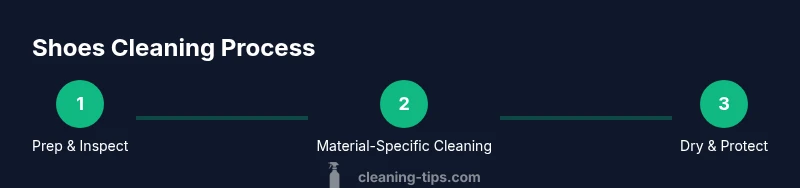
By following this guide, you’ll learn to clean shoes safely and effectively, regardless of material. Start with prep, choose the right cleaner, apply gently, and dry away from heat to extend life and keep feet fresh. The steps cover leather, canvas, suede, and athletic shoes, plus odor control and storage tips.
Why Cleaning Shoes Matters
Shoes play a pivotal role in comfort, foot health, and perception. Regular cleaning removes dirt, sweat, and oils that can degrade materials, cause odors, and shorten a shoe’s lifespan. When you clean shoes, you also reduce the transfer of dirt to floors and carpets, contributing to a healthier home environment. According to Cleaning Tips, a simple, material-aware cleaning routine can significantly extend the look and feel of footwear across seasons. This isn't just about aesthetics; it's about preventing surfaces from breaking down and preserving resale value for renters or owners alike. A well-maintained pair also feels better on the job, during workouts, and on daily errands, reinforcing a habit of care that translates to other household tasks.
Understanding Different Materials
Shoes come in a range of materials, each requiring specific care to avoid damage. Leather, when cleaned properly, benefits from conditioning to maintain suppleness and shine. Canvas and fabrics respond well to gentle soap and water, with attention to staining and brightening. Suede and nubuck demand dry-cleaning approaches—brushing, erasing, and protective sprays—since water can stain and deform the nap. Mesh sneakers tolerate light scrubbing but should be dried thoroughly to prevent odor buildup. Always check the care label before cleaning and test any cleaner on a hidden area first to prevent color bleed or texture damage. For reference, see guidance from EPA Safer Choice and CDC Healthy Homes for general cleaning safety.
Prep and Safety: What to Do Before Cleaning
Preparation saves effort and protects materials. Start by removing laces to clean separately and brushing off loose dirt with a dry, soft brush. Inspect for existing damage such as cracks or peeled stitching; cleaning won’t fix structural problems, but it helps you avoid worsening them. Always use a mild cleaner and avoid soaking leather. Testing on a hidden area ensures you won’t alter color. If you’re cleaning indoors, lay down a towel or old newspaper to catch drips and keep your workspace tidy. Remember, patience matters: rushing can push cleaner deeper into seams and cause staining or odor.
Cleaning Leather Shoes: Step-by-Step Approach
Leather requires gentle handling to preserve its natural oils. Mix a small amount of mild soap with warm water and dampen a microfiber cloth. Wipe the surface in small circular motions, focusing on stained areas. Avoid soaking; excess moisture can warp the shape. After cleaning, wipe away soap residue with a clean damp cloth and let air dry away from direct heat. Finish with a leather conditioner to restore suppleness and a soft shine. If you notice color transfer, rinse promptly and allow extra drying time. This method minimizes streaks and protects the leather’s finish.
Cleaning Canvas and Fabric Shoes
Canvas and fabric shoes tolerate a bit more agitation. Remove laces and use a soft brush to remove surface dirt. Prepare a solution of mild detergent and warm water, then scrub in gentle circular motions. For stubborn stains, apply a paste of baking soda and water and let it sit for a few minutes before rinsing. Rinse with a damp cloth to remove soap residues. Air dry away from direct sunlight to prevent fading, using shoe trees or rolled paper to maintain shape. For white fabrics, a diluted whitening solution can help, but test first to avoid yellowing. See Cleaning Tips for best practices.
Cleaning Suede and Nubuck: How to Preserve Nap
Suede and nubuck cleaning is delicate. Use a dedicated suede brush to lift nap and remove surface dirt. For dry stains, a suede eraser or a clean pencil eraser works well without saturating the material. If water contact is unavoidable, blot gently and let the shoe dry completely in a ventilated area; never use heat to dry suede. After cleaning, apply a protective suede spray to repel moisture and oils. Regular brushing maintains texture and prevents matting. Avoid soaking or using traditional soaps that can leave residues.
Cleaning Athletic Shoes and Insoles
Athletic shoes deserve extra attention due to odor and sweat buildup. Remove insoles and laces; wash insoles separately with mild soap and water or spot-clean with a cloth. Use a light detergent solution on the outer fabric and a soft brush for scuffs. For odor control, sprinkle baking soda inside the shoes and let it sit overnight, then shake out before wearing. If machine washing is appropriate for your model, use a gentle cycle with a small amount of detergent and air-dry completely; always check the manufacturer’s care instructions. This keeps performance shoes fresh and ready for action.
Drying, Shaping, and Odor Control
Drying is a critical step to prevent mildew and deforming. Remove excess water by patting with a towel, then stuff with paper towels or shoe trees to hold shape. Air-dry in a well-ventilated area away from direct heat or sunlight, which can warp materials or fade colors. For odor control, keep a sachet of baking soda or activated charcoal inside between wears, and refresh footwear every few days during high-activity periods. Never use a hair dryer on high heat; it can damage glue and materials. Consistent drying preserves fit and comfort.
Maintenance and Storage to Extend Life
Prevention beats remediation. Use appropriate protective sprays for each material (leather, suede, canvas) and store shoes in breathable bags or boxes to reduce dust and moisture exposure. Rotate pairs to minimize wear on a single set, and replace worn-out insoles for hygiene and comfort. Cleaning frequency depends on use: daily commuters may benefit from a quick wipe-down weekly, while seasonal outdoor shoes need a deeper clean. Cleaning Tips suggests pairing routine cleaning with a post-activity deodorizing spray to maintain freshness.
Troubleshooting Common Stains
Different stains require different tactics. Mud on canvas responds well to brushing and mild soap; oil stains on leather benefit from blotting and a small amount of saddle soap. Grass stains on fabric can be treated with a whitening paste and a short rinse; ink marks may require dab-and-blot with a clean cloth and, in some cases, textile stain removers tested on hidden areas. Always test cleaners in an inconspicuous area first, and avoid mixing cleaners that can produce harmful fumes. A steady, patient approach yields the best results.
Quick Routine: Weekly vs. Monthly Cleaning
Set a simple schedule to keep shoes looking new. A light weekly wipe-down plus a monthly full clean can extend life significantly. Keep a brush and microfiber cloth handy for quick touch-ups after workouts or outdoor activities. Cleaning Tips emphasizes consistency: a few minutes spent regularly prevents buildup, preserves color, and supports odor control. This habit reduces the effort required for deep cleans later on.
Tools & Materials
- Soft-bristled brush(Gently lift dirt from all materials; avoid stiff brushes on suede.)
- Microfiber cloths(Use multiple cloths—one damp, one dry for fast drying.)
- Mild liquid detergent or soap(Choose colorless or neutral to avoid color transfer.)
- Old toothbrush(Detail work around soles and seams.)
- Leather conditioner(Apply after leather cleaning to maintain suppleness.)
- Laces (optional)(Replace or wash separately; dry fully before re-lacing.)
- Shoe trees or newspaper(Help maintain shape during drying.)
- White vinegar (optional)(For stubborn odors when diluted.)
- Baking soda(Odor absorption; use overnight in shoes.)
Steps
Estimated time: 60-90 minutes
- 1
Remove laces and loose debris
Take out laces and brush off loose dirt with a dry soft brush. This prevents grit from grinding into fabric during cleaning and makes it easier to access stitching.
Tip: Laces can be washed separately in warm water with a mild detergent. - 2
Inspect material and care labels
Check the label and note any special instructions for leather, suede, canvas, or mesh. If you’re unsure, perform a patch test on a hidden area before full cleaning.
Tip: A quick test saves you from color bleed or nap damage. - 3
Prepare cleaning solutions
Mix a small amount of mild detergent with warm water in a bowl or cup. Use only what you need; concentrated cleaners can oversaturate fabrics and cause staining.
Tip: Never mix cleaners without knowing their chemical compatibility. - 4
Clean leather surfaces
Dampen a microfiber cloth with the soapy solution and wipe leather in gentle circles. Don’t soak; moisture can damage glue and stitches. Wipe away soap with a clean damp cloth.
Tip: Finish with a leather conditioner after drying. - 5
Clean canvas or fabric areas
Dip brush into the soap solution and scrub canvas in light circular motions. For tough stains, apply a baking soda paste and let sit briefly, then rinse with a damp cloth.
Tip: Avoid soaking fabrics to prevent water stains. - 6
Clean suede and nubuck sections
Dry brush to remove surface dirt, then use a suede eraser on stains. If you accidentally wet suede, pat dry and let air dry away from heat; never use a hair dryer.
Tip: Protect with a dedicated suede spray after cleaning. - 7
Clean insoles and odor control
Remove insoles; hand wash or wipe with soap solution. Sprinkle baking soda inside overnight to neutralize odors; shake out before wearing.
Tip: Let insoles dry completely before reinserting. - 8
Rinse and remove residue
Wipe all cleaned surfaces with a damp cloth to remove soap residues. Excess soap can attract more dirt if allowed to dry on the surface.
Tip: A final wipe prevents streaks and stickiness. - 9
Drying and shaping
Pat dry with a towel, then stuff with paper or use shoe trees to maintain shape. Air-dry in a well-ventilated area away from direct heat.
Tip: Prolong drying to avoid mildew and warping.
Questions & Answers
Can I machine wash all types of shoes?
No. Many shoes, especially leather and suede, can be damaged by machine washing; check care labels and consider hand washing. If machine washing is allowed, use a gentle cycle and air-dry completely.
Machine washing can damage leather and suede; use a gentle cycle only if the care label allows it, and always air-dry completely.
What is the safest way to clean leather shoes?
Wipe with a damp cloth and mild soap, then condition once dry. Avoid soaking and heat. Always finish with a conditioner to maintain suppleness.
Wipe with a damp cloth and mild soap, then condition after drying. Avoid soaking and heat.
How do I clean suede without ruining texture?
Brush dry to lift the nap, use a suede eraser for stains, and avoid water. Protect with a suede spray after cleaning to repel moisture.
Avoid water; brush, use a suede eraser, and protect afterward with suede spray.
How long does it take for shoes to dry?
Drying times vary by material and thickness. Allow 12-24 hours for most shoes; avoid direct heat or sunlight to prevent warping or fading.
Let them air dry away from heat for a day or two.
Can I deodorize shoes without leaving residue?
Use baking soda or activated charcoal inside the shoe overnight, then shake out before wearing. For persistent odor, repeat after cleaning.
Use baking soda overnight and shake out before wearing.
Should I clean insoles separately?
Yes. Remove insoles and wash or wipe them separately. Ensure they’re completely dry before reinserting to avoid mold.
Take them out and clean separately; dry fully before putting back in.
Watch Video
The Essentials
- Identify material before cleaning to choose the right method.
- Use gentle cleaners and avoid soaking; blot and wipe instead.
- Air-dry away from heat to preserve shape and color.
- Odor control improves with baking soda and ventilation.
- Maintain shoes with routine cleaning and proper storage.