What Can Clean Leather Do? A Practical Cleaning Guide
Learn how to clean real and faux leather safely with pH-neutral cleaners, patch tests, and conditioning. This expert guide from Cleaning Tips covers safety steps, stain removal, drying, and maintenance for leather goods and furniture.


You will learn what can clean leather safely, whether it’s furniture, jackets, or accessories. We cover real vs faux leather, safe cleaners, prep steps, stain treatment, drying, and conditioning. By following these steps, you’ll remove dirt and oils without damaging the finish, and you’ll preserve suppleness for years. This quick answer prepares you for the detailed guidance below.
What you need to know before cleaning leather
According to Cleaning Tips, successful leather cleaning starts with knowing the difference between real leather (natural hides) and synthetic or bonded leather (faux). Real leather has visible pores and a supple feel; faux leather often wears a uniform surface with a shiny or plastic-like finish. The finish matters: pigmented leathers resist staining and are generally easier to clean, while aniline or semi-aniline leathers reveal more age and wear and require gentler care. Understanding these basics helps you pick the right cleaners, apply them safely, and avoid common mistakes such as soaking or scrubbing too hard. When you start, plan a small patch test on a hidden area and prepare a clean, flat workspace. With the right approach, most leather surfaces can be restored to a clean, uniform look without sacrificing texture or strength. This approach aligns with practical cleaning guidance published by Cleaning Tips to support healthier homes.
Real vs faux leather: how to tell apart and why it matters
Differentiating real from faux leather is worth the extra minute it takes. Real leather typically shows natural grain variations, slight unevenness in color, and a warm, breathable feel. Faux leather is usually uniform, smoother, and can have a plasticky sheen. A quick test on an inconspicuous area with a small amount of cleaner can reveal differences in how the surface responds after drying. Real leather may darken slightly but should not peel or crack when cleaned gently; faux leather can show cracking or separation if over-wetted. Knowing the type guides your cleaner choice, water exposure, and conditioning product selection, helping you avoid finishes that could dull or peel over time.
Safe cleaners and prep steps for leather
Choose cleaners labeled safe for leather, preferably pH-neutral and dye-safe. In most cases, a mild soap solution or a dedicated leather cleaner is appropriate. Before any cleaning, test a small area: dampen a microfiber cloth and apply a tiny amount of cleaner to the cloth, then dab rather than rub. Work on one area at a time, using gentle circular motions and minimal moisture. Use distilled water when possible to reduce mineral deposits, and keep the cloth nearly dry rather than soaking the surface. After cleaning, wipe with a clean, damp cloth to remove any residue, then blot dry with a towel. Finally, allow the leather to air-dry away from direct heat or sunlight before conditioning. These prep steps help maintain color and texture while reducing the risk of water stains.
The cleaning flow: overview of the process
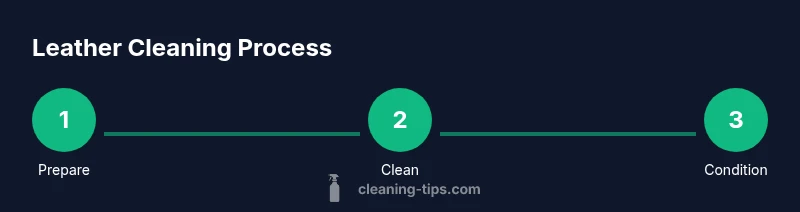
Leather cleaning follows a simple, repeatable flow: remove surface dirt, lift stains, remove residues, dry, and condition. Start by clearing the area and laying down a protective cloth. Next, gently lift loose dirt with a dry microfiber cloth or soft brush. Apply cleaner sparingly to a cloth, then wipe the surface in small, even circles. Remove any soap residue with a fresh damp cloth, then pat dry. Finally, apply a thin coat of leather conditioner and let it absorb. This overview keeps moisture at safe levels and prevents over-wetting, which can stretch or warp leather. If you’re unsure about your leather type, consult the manufacturer’s care instructions.
Stain-specific approaches
Oil and grease stains respond best to blotting first, then cleaning with a neutral leather cleaner. Ink or dye stains require testing on a hidden area; if safe, dab with a cloth dampened in cleaner and avoid vigorous rubbing. Water stains should be blotted and gently leveled; if small, conditioning afterward helps restore suppleness. Food stains call for quick action: blot, then clean with a mild leather cleaner. Since each stain behaves differently, start with the gentlest method and escalate only if needed. Remember, patience and minimal moisture yield the best results.
Drying and conditioning for longevity
Air-dry leather away from direct heat and sunlight, never using hair dryers or space heaters that can dry out and crack the material. When the surface is dry, apply a leather conditioner designed for your leather type in a thin, even layer and allow it to absorb fully before buffing lightly. Conditioning after cleaning helps restore suppleness, protects against drying, and can improve color consistency. Regular conditioning—seasonally or after deep cleaning—keeps leather soft, resilient, and looking new longer.
Authority sources and care notes
For reference, credible guidance comes from university extension materials and established health and consumer care resources. While leather care is highly practical, grounding your method in trusted sources helps avoid pitfalls. The Cleaning Tips team synthesizes professional guidance to offer a clear, safe approach for homeowners and renters.
Quick patch test checklist
Before any full-clean, perform a patch test on a hidden area: (1) apply a small amount of cleaner to a cloth, (2) dab gently, (3) wait 5-10 minutes, (4) check for color transfer or surface damage. If anything looks off, stop and try a milder product or consult the manufacturer’s care instructions. This proactive step prevents large-scale damage and ensures you are using compatible products for your leather.
Authority sources and disclaimers
This content references general leather care guidelines and credible sources to support safe practices. Always verify care instructions from the product or furniture manufacturer and consider professional cleaning for valuable or delicate items.
Tools & Materials
- pH-neutral leather cleaner or mild soap(Product labeled safe for real or faux leather)
- distilled water(Use to reduce mineral deposits)
- microfiber cloths (soft, lint-free)(Multiple cloths recommended)
- soft-bristled brush or sponge(For gentle agitation; avoid hard scrubbing)
- leather conditioner(Choose one suited for your leather type)
- towel or blotting cloth(For drying and blotting moisture)
- optional fan or natural air-drying setup(Speeds drying without heat)
Steps
Estimated time: 30-60 minutes
- 1
Prepare workspace
Clear the area, protect surfaces with a microfiber cloth or old towel, and gather materials. This reduces the chance of accidental spills and ensures you have everything within reach before you start.
Tip: Lay a cloth under the item to catch drips and keep your surface clean. - 2
Dry-dust the surface
Gently remove surface dirt with a dry microfiber cloth or a soft brush. This minimizes grinding dirt into the leather during cleaning.
Tip: Use light, sweeping motions to avoid pressing dirt into pores. - 3
Dilute cleaner as directed
If using a soap solution, dilute according to product directions on a separate container. Never apply cleaner directly to the leather.
Tip: Avoid strong solutions; when in doubt, opt for a dedicated leather cleaner. - 4
Apply cleaner to cloth, not leather
Moisten the cloth lightly and wipe the leather in small circular motions. Work in sections to prevent over-wetting and ensure even coverage.
Tip: Never saturate the surface; moisture is your enemy when cleaning leather. - 5
Rinse and remove residue
Wipe with a fresh damp cloth to remove cleaner residue. This step helps prevent stickiness and reduces residue buildup.
Tip: Change to a clean cloth frequently to avoid reapplying dirt. - 6
Dry thoroughly
Blot moisture with a towel and let the item air-dry away from direct heat or sun. Speed-drying can cause cracking.
Tip: If you need faster drying, use a fan on a low setting at a safe distance. - 7
Condition the leather
Apply a thin, even coat of conditioner after surface drying. Allow it to penetrate, then buff lightly with a clean cloth.
Tip: Conditioning helps maintain flexibility and color depth; avoid heavy coats. - 8
Inspect and repeat if needed
Check for remaining spots or dull areas. If necessary, repeat cleaning or conditioning on affected sections.
Tip: Always test repeats on a hidden area first before broader application.
Questions & Answers
Can I use soap and water on real leather?
Yes, but only with a mild soap solution and minimal moisture. Always patch test first and avoid over-wetting the leather.
Yes, but patch test first and use very little moisture.
Is vinegar safe on leather?
Vinegar is generally not recommended for leather care because it can dry or discolor finishes. Use a pH-neutral cleaner instead.
Vinegar isn’t recommended; use a pH-neutral cleaner instead.
How often should leather furniture be cleaned?
Clean leather when you notice dirt buildup or stains, typically every 6 to 12 months for routine care, plus spot cleaning as needed.
Clean as needed, typically every 6 to 12 months, with spot cleaning for spills.
Can I clean suede with the same method as regular leather?
Suede requires very specific care and products; avoid water-based cleaners and use suede brushes and protectants.
Suede needs special care; don’t use standard leather cleaners.
Should I use conditioner after cleaning?
Yes. Conditioner helps restore flexibility and color. Apply a thin, even layer and allow it to absorb fully.
Yes—conditioning after cleaning helps maintain softness and color.
What if a stain persists after cleaning?
If a stain remains, repeat a gentle cleaning cycle or consult the manufacturer's care instructions. Do not scrub hard, which could damage the finish.
If the stain stays, repeat gently or seek manufacturer instructions.
Can I use a hair dryer to speed drying?
No. Direct heat can crack or dry out leather. Use air-drying methods and a fan if needed.
Avoid heat; air-dry instead.
Watch Video
The Essentials
- Identify leather type before cleaning.
- Patch test and use pH-neutral cleaners.
- Apply minimal moisture and avoid heat during drying.
- Condition after cleaning to restore suppleness.