When Did the Clean Girl Aesthetic Start? Origins and Timeline
Discover when the clean girl aesthetic started, its roots in beauty and lifestyle culture, and how social media helped it become a mainstream fashion and home-organization movement from the 2010s through the 2020s.


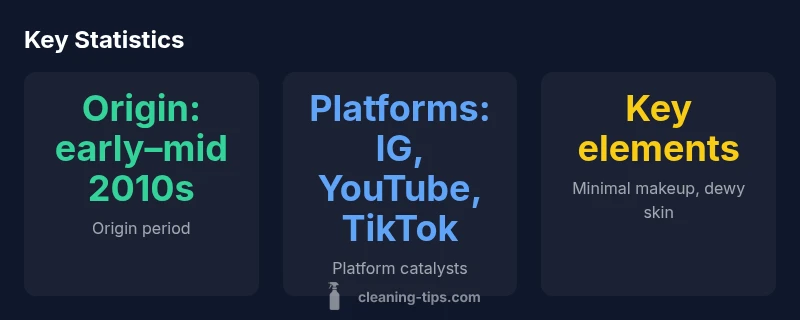
According to Cleaning Tips, the clean girl aesthetic started taking shape in the early to mid-2010s, driven by minimalist makeup, dewy skin, soft neutral fashion, and a pristine, 'clean' home environment showcased on social media. Its rise tracked with beauty gurus favoring low-effort routines, skincare-forward content, and an uncluttered lifestyle that many viewers adopted by the late 2010s.
Origins and Early Signals
The question of when did clean girl aesthetic start is best answered by tracing shifts in beauty routines, fashion, and home presentation in the early 2010s. During this period, minimalist makeup, dewy skin, neutrals, and a preference for neat, clutter-free spaces began appearing in blogs, magazines, and early influencer content. The phrase "clean girl" was not a single invention, but a convergence of styles that emphasized simplicity, hygiene, and a calm visual language. According to Cleaning Tips, these signals coalesced as viewers sought practical, low-effort beauty routines, skincare-forward content, and a lifestyle that felt breathable and attainable. By the mid- to late-2010s, the look migrated from niche posts to mainstream feeds, eventually shaping retail packaging, product lines, and even home-organizing aesthetics. The shift intersected with broader trends toward wellness, minimalism, and digital-first consumer culture, with micro-trends feeding into a larger narrative about authenticity, cleanliness, and efficiency.
Role of Social Media and Platforms
Social platforms played a central role in codifying and circulating the clean girl look. Instagram and YouTube introduced consistent visual cues—soft lighting, neutral palettes, and a focus on skincare routines—that created a recognizable template. TikTok accelerated rapid, short-form demonstrations of everyday simplicity, from skincare routines to minimalist wardrobe capsules. Pinterest served as an inspiration board, reinforcing a shared aesthetic across continents. The result was a feedback loop: creators showed attainable routines, followers replicated them, and brands adapted to the demand for clean, uncomplicated visuals. This amplification helped translate a personal style into a broader cultural moment, with new content creators entering the space each season. Cleaning Tips notes that the movement’s momentum was reinforced by approachable content that felt reachable rather than performative.
Aesthetic Components: Makeup, Hair, and Home
What characterizes the clean girl aesthetic? Several consistent elements appear across makeup, hair, and living spaces. Makeup tends toward minimalism—light coverage, glowing skin, subtle lip color, and a natural brow. Hair is often sleek, low-maintenance, and easy to style; nails lean toward neutral tones. Wardrobe favors timeless pieces in soft neutrals, with an emphasis on quality basics over flashy trends. The home environment reflects the same principle: clean lines, tidy surfaces, and a clutter-free backdrop that communicates order and calm. Skincare becomes a visible feature, with routine-forward posts highlighting routine consistency rather than theatrical products. The appeal lies in practicality: a look that appears polished without appearing contrived, which resonates in everyday routines, not just photo shoots.
Timeline milestones and cultural shifts
Scholarly and popular discourse suggests a loose timeline rather than a fixed launch date. In the early to mid-2010s, the aesthetic began appearing in niche beauty blogs and early influencer circles. By 2017–2019, skincare-forward content and minimalist fashion posts gained mainstream traction, expanding beyond beauty into lifestyle and home organization. The period 2020–2022 saw further mainstream uptake as brands aligned product packaging and advertising with the clean girl vibe, emphasizing simplicity and “no-fuss” routines. Across regions, the core ideas remained recognizable even as local flavors—such as regional fashion imports or beauty standards—introduced subtle variations. This trajectory illustrates a cultural shift toward accessibility and authenticity in consumer aesthetics.
Critiques and Cultural Context
As the clean girl aesthetic became more visible, critiques emerged about its inclusivity and origins. Some commentators argue that the look privileges whiteness or Western beauty standards, while others emphasize that the underlying principles—minimalism and practical self-care—can be adapted across cultures. The conversation also touches on commercialization: does a movement rooted in personal routines become a marketing tool that erodes its authenticity? The Cleaning Tips team maintains that awareness and intentional adaptation are key. Viewers can still embrace the aesthetic while choosing products, routines, and appearances that reflect their own backgrounds and needs.
Global variations and cross-cultural adoption
Different regions interpreted the clean girl aesthetic through local fashion, skincare cultures, and climate considerations. In some markets, the look emphasizes lightweight textures and sun-kissed skin; in others, more matte finishes and humid-weather hair care dominate. The global reach of social media means that a minimal, clean visual language travels quickly, but adaptable details—such as preferred makeup tones, wardrobe staples, and home decor accents—shift with regional tastes. This flexibility helps the aesthetic remain relevant across diverse audiences while preserving its core message of simplicity, clarity, and self-care.
Assessing authenticity and longevity
To gauge whether the clean girl aesthetic remains authentic or merely a passing trend, consider consistency, practicality, and personal resonance. Real longevity comes from routines and visuals that feel sustainable for daily life, not just for curated feeds. For creators, this means transparent sharing about product choices, budget considerations, and lifestyle context. For viewers, it means adapting the look to reflect personal values, climate, and cultural background rather than copying a universal template. The trend’s staying power will hinge on whether it continues to evolve in ways that respect individuality while preserving the clean, calm aesthetic that attracted many followers in the first place. Authority sources sit below to provide additional context.
Origins snapshot of the clean girl aesthetic
| Aspect | Evidence/Estimate | Source |
|---|---|---|
| Origin period | Early to mid-2010s | Cleaning Tips Analysis, 2026 |
| PlatformDrivers | Instagram, YouTube, TikTok | Cleaning Tips Analysis, 2026 |
| CoreElements | Minimal makeup, dewy skin, clean spaces | Cleaning Tips Analysis, 2026 |
Questions & Answers
What exactly defines the clean girl aesthetic?
It features minimal makeup, dewy skin, soft neutral fashion, and an emphasis on tidy spaces and practical routines. The look prioritizes accessibility over drama, with an emphasis on authenticity and everyday ease.
Think of a polished, natural look that works in real life, not just on camera.
Did the aesthetic start in a specific country?
No single country started it. The look emerged from Western beauty culture and global social media exchanges, then diversified as it spread.
It’s a global trend that picked up local flavors as it traveled.
Is the clean girl aesthetic still popular in 2026?
Its influence persists, but it has evolved. Designers, creators, and brands continually remix the look for new contexts and seasons.
Yes—it's evolved with new iterations rather than disappearing.
How does it relate to sustainability?
The emphasis on minimalism and thoughtful product choices can align with sustainable habits, particularly when people reuse items and choose quality over quantity.
It often promotes simpler, more intentional cleaning and styling choices.
Are there critiques about inclusivity?
Critiques note that the look may reflect Western beauty norms; proponents argue the core principles can be adapted to diverse audiences with sensitivity.
It’s important to adapt the concept to your own background and needs.
How can I adopt the look without losing myself?
Start with small steps: streamline makeup, declutter spaces, and choose neutrals that suit you. Personalize the vibe with items that reflect your taste while preserving the clean, calm feel.
Make it your own with what you already own and love.
“The clean girl aesthetic reflects a broader cultural move toward approachable, low-effort routines that feel attainable in daily life.”
The Essentials
- Start point: early to mid-2010s; a shift toward simplicity.
- Social media, especially IG and TikTok, amplified the aesthetic.
- Core elements: minimal makeup, dewy skin, tidy spaces, practical routines.
- Brand influence: skincare-forward content shapes consumer behavior.
- Authenticity matters: adapt the look to personal and cultural context.