Are Clean Label Cleaning Products Good? A Thorough Cleaning Tips Review
An in-depth analysis of clean-label cleaning products: what 'eco-friendly' really means, how certifications work, and practical tips for safer, effective home cleaning.


are clean people products good? Definition: Clean-labeled cleaning products refer to formulations marketed as eco-friendly, non-toxic, or free of harsh chemicals. These products can reduce exposure to irritants and synthetic additives, but performance varies by task and brand. This quick answer clarifies what counts as 'clean' on labels, how to interpret certifications, and when you might still need stronger cleaners.
are clean people products good: what clean-label means in practice
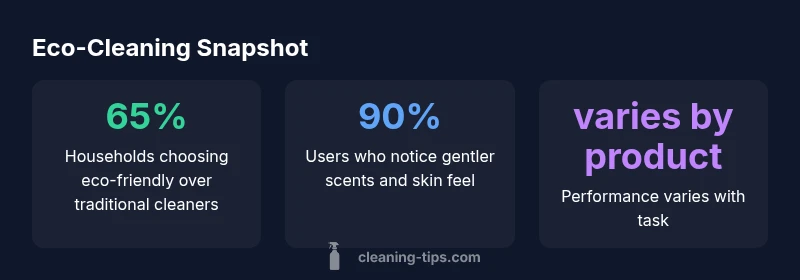
According to Cleaning Tips, the phrase are clean people products good is less about a universal rating and more about how a product aligns with your household priorities. Clean-label cleaners aim to minimize harsh ingredients, prioritize safer alternatives, and reduce environmental impact. They often rely on plant-based compounds, mild surfactants, and safer solvents, while avoiding certain synthetic additives. For many homes, this translates to products that feel gentler on skin, nose, and surfaces, with fewer strong fragrances. However, the trade-off can be variability in performance for stubborn stains, heavy grease, or tiled grout. When you ask are clean people products good, you’re really asking whether safety and environmental factors outweigh the convenience of high-strength cleaners in certain tasks. Reading ingredients lists and understanding what is excluded—ammonia, chlorine, phthalates, or synthetic fragrances—helps shoppers gauge how well a product matches their needs. As you evaluate options, you’ll notice that the term clean is not a single standard; it’s a spectrum shaped by certifications, formulations, and intended use. Cleaning Tips analysis highlights that consumer confidence grows when a product carries a credible third-party seal and a clear usage guidance. For households with kids or pets, the lower-toxicity proposition can be compelling, even if it means adjusting expectations on stain removal efficiency. This section will explore the most impactful factors to consider when choosing clean-label products.
Are clean-label products effective for everyday grime?
Performance is task-specific. For light daily cleaning—wipe-downs, spills, and surfaces like countertops or stovetops—many clean-label products perform well, especially when paired with correct technique and dwell time. The absence of harsh solvents can mean longer contact periods for some residues, so pre-treating a dried spill with a spray and letting it sit 5–10 minutes often yields better results without brute force. Experts note that some formulations rely on biodegradable surfactants and enzymes to lift soil gently rather than aggressively dissolve it. For greasy build-up in the kitchen or bathroom soap scum, a stronger degreaser or a double-pass approach with a clean-label product followed by a rinse can be effective. It’s important to recognize that not every product labeled eco-friendly will meet every performance benchmark. Cleaning Tips recommends testing a product on an inconspicuous area before committing to a full switch and keeping a conventional cleaner as a backup for particularly stubborn tasks. In households with sensitive skin or chemical sensitivities, the reduction in irritants can translate to real daily benefits, even if it means adjusting routine efficiency.
Certifications that matter: what they guarantee and where they fall short
Certifications act as shortcuts for consumers who don’t want to read every ingredient. EPA Safer Choice, Green Seal, and European Ecolabel are among the widely recognized programs that evaluate ingredient safety and, in some cases, performance. An EPA Safer Choice label signals that the product’s ingredients meet safety criteria and that the overall formulation poses lower risks to human health and the environment. Green Seal, on the other hand, emphasizes not only safer ingredients but also quantified performance standards for specific cleaning tasks. It’s worth noting that certifications vary in scope: some focus primarily on health impacts, others on environmental footprint, and some attempt to balance both. A key caveat is that a certification does not guarantee universal suitability—surface compatibility, aroma preferences, and the specific grime you confront can still affect outcomes. Cleaning Tips reminds readers to cross-check the certification scope with typical household tasks and to verify the product’s concentration recommendations and usage cautions. For best results, pair products with surfaces that align with their certification claims and maintain a small test area to confirm compatibility.
How to test cleaners at home without risking surfaces
A practical home test helps you compare clean-label products without guesswork. Start with a labeled, low-stakes surface (a bathroom sink or kitchen cabinet) and run a controlled comparison over two cycles:
- Choose two or three cleaners with similar certifications and a known history of gentle performance.
- Apply a consistent amount to a 4x4 inch area and let sit for 3–5 minutes before scrubbing with a non-abrasive pad.
- Rinse and dry; note streaks, residue, or dulling on the surface.
- Repeat on a separate patch for a second product. If you’re testing a degreaser, use a small amount on a cookware surface or a greased skillet and observe grease removal efficiency. Record observations and, if possible, photograph results for future reference. While testing, keep ventilation adequate and avoid mixing products, even if both are labeled green or eco-friendly. The goal is to identify which products meet your standards for safety and efficacy across common messes in your home.
Label-reading essentials: ingredients, warnings, and concentrations
Understanding a label is essential when evaluating clean-label cleaners. Look for the following:
- Active ingredients and their purpose (surfactants, enzymes, solvents) and any restricted substances.
- Warnings and storage directions to ensure safe use around children and pets.
- Concentration guidance and dilution instructions that affect per-use cost and effectiveness.
- Certifications and the scope they cover (health, environment, or both).
- Fragrance information and whether the product offers fragrance-free options for sensitive households.
- Recycling and packaging details to gauge waste impact. A practical approach is to compare two products on the same surface and task, focusing on ingredient transparency, certification credibility, and perceived ease of use. If a label omits critical information or relies on vague claims like “natural” without specifics, approach with caution. Cleaning Tips emphasizes transparency and evidence-based choices when guiding readers through label reading.
Economic and practical trade-offs: cost, concentrates, and waste
Eco-friendly or clean-label products often carry a price premium, reflecting safer ingredients and sustainable packaging. However, many brands offer concentrated formulas that reduce packaging waste and per-use cost, offsetting higher upfront prices. When evaluating value, consider:
- Concentration and recommended dilution: a small bottle that lasts longer can be more cost-effective in the long run.
- Scents and irritants: fragrance-free or hypoallergenic options may cost more but reduce the risk of irritation for family members with sensitivities.
- Availability: some eco-friendly products are easier to source online but harder to find in local stores, which can affect convenience and impulse purchases.
- Waste and packaging: refill pouches or refillable containers reduce plastic waste compared with single-use bottles. The Cleaning Tips team suggests calculating per-use cost rather than sticker price alone and choosing a mix of cleansers: one daily-use clean-label product for routine tasks and a traditional option for heavy-duty jobs. This balanced approach helps households manage both safety concerns and performance expectations without compromising overall cleaning effectiveness.
Practical approaches for mixed households: mixing eco and conventional strategies
In households with diverse needs, a mixed approach often yields the best results. Start with a core set of clean-label products for non-tough tasks like glass, countertops, and light bathroom cleaning. Maintain a conventional cleaner or two for stubborn grime or heavy-duty jobs such as oven cleaning or grout restoration. This strategy preserves safety margins for children and pets while ensuring you’re not compromising on performance. Create a simple rotation plan: designate one day for routine eco-friendly cleaning and reserve a separate schedule for occasional deep cleans using a stronger cleaner. Story-based routines, like weekly bathroom scrubs and monthly oven degreasing, help manage expectations. Remember to monitor surface reactions and reassess as new products enter the market. Over time, you can refine your kit to maximize safety, minimize waste, and sustain effective results, all while keeping a clear eye on costs. Cleaning Tips notes that flexibility is essential: eco-labeled products often shine in daily, light-duty tasks, while heavier grime may still require targeted solutions.
How Cleaning Tips approaches clean-label products in practice
The Cleaning Tips team believes a thoughtful, evidence-based approach beats a one-size-fits-all solution. Our guidance centers on three pillars: safety, efficacy, and practicality. We recommend starting with a few well-vetted clean-label products that address your most frequent tasks, especially in kitchens and bathrooms. Regularly review product labels for changes in formulation or new certifications, as brands update ingredients and packaging. Establish a simple testing routine for any new product before replacing your entire supply. Finally, maintain a balanced perspective: even the best eco cleaners cannot perform miracles on all surfaces. Where performance gaps exist, supplement with a conventional option chosen for specific jobs, carrying the same caution with usage. By combining careful label reading, selective testing, and a hybrid toolkit, households can realize meaningful safety and sustainability benefits without compromising everyday cleaning results.
Strengths
- Safer ingredients and reduced exposure to harsh chemicals
- Clear certifications help compare products
- Gentle on skin and sensitive households
- Fragrance-free options available
- Better for households minimizing synthetic solvents
Weaknesses
- Can be more expensive per use
- May require longer dwell time or more elbow grease for tough grime
- Limited availability of some certifications
- Performance can vary by surface or stain type
Balanced approach: choose clean-label products for routine tasks, but keep targeted traditional cleaners for heavy grime.
Clean-label cleaners can enhance safety and reduce irritants, especially for households with kids or pets. However, performance varies by task, so a mixed toolkit often yields the best overall results. Use trusted certifications to guide purchases and test new products on minor surfaces before broader use.
Questions & Answers
What does eco-friendly mean on cleaning labels?
Eco-friendly labeling typically indicates reduced environmental impact, safer ingredients, or responsible packaging. It’s important to verify the scope of the claim and look for independent certifications that address both safety and performance.
Eco labeling points to reduced environmental impact and safer ingredients, but check the cert and what it covers.
Are green cleaners as effective as traditional cleaners?
Effectiveness depends on the task. For routine cleaning, green cleaners can perform as well as traditional products; for heavy grease, you may need stronger formulations or a two-step approach.
It depends on the job—everyday messes often clean well, tougher grime may need stronger options.
Do 'clean' labels guarantee safety for children and pets?
Not automatically. Read ingredient lists, warnings, and usage directions, and consider certifications that emphasize safety for households with kids and pets.
Safety isn’t guaranteed—check ingredients and warnings, and look for trusted certifications.
What certifications should I trust?
Common trustworthy certifications include EPA Safer Choice and Green Seal; they evaluate ingredients and performance standards relevant to typical cleaning tasks.
EPA Safer Choice and Green Seal are solid starting points to evaluate safety and performance.
Is switching to eco cleaners worth the cost?
There can be a price premium, but concentrates and refillable options can reduce waste and per-use costs over time. Assess per-use cost and waste impact.
There can be upfront costs, but concentrates and refills can save money and reduce waste.
The Essentials
- Prioritize third-party certifications on labels
- Test new products on a small area first
- Expect price premiums but potential health benefits
- Check for surface-specific guidance
- Balance eco-labels with performance needs