Are You Clean Your Room? A Practical Cleaning Guide
Actionable step-by-step guide to clean a room efficiently. Learn decluttering, dusting, surfaces, and floors, plus timing tips, essential tools, and renter-friendly methods.


You will learn a practical, room-cleaning routine you can finish in under 60 minutes, plus a quick daily upkeep plan. You’ll need basic cleaning tools, a laundry basket, and a timer. Start with a quick declutter, then dust, wipe surfaces, vacuum, and finish with fresh linens and air circulation. Follow the steps below to stay consistent.
Why keeping a clean room matters
If you’re asking, are you clean your room, the quick answer is that a tidy space supports daily productivity, better sleep, and improved indoor air quality. According to Cleaning Tips, a simple, repeatable cleaning routine reduces clutter and makes tasks easier over time. A clean room lowers exposure to dust and allergens, reduces stress, and helps you notice maintenance issues sooner. In this section we’ll explore why room cleanliness matters beyond appearances, including health, safety, and energy use. A well-kept room also minimizes moisture buildup and potential mold in corners, especially in humid seasons, which in turn supports better air quality and comfort during 2026.
Quick cleaning routine for daily upkeep
A 10-minute daily tidy is enough to keep a room from becoming overwhelming. Start by collecting clothes, trash, and dishes into a laundry basket and trash bag. Next, straighten surfaces, arrange books, and place items back in storage. Dusting with a microfiber cloth from top to bottom reduces settling dust on floors. Finally, quick floor care—vacuum or sweep and spot-mop if needed. The essence is consistency: tiny daily steps prevent big messes, making deeper clean days simpler. For best results, perform this routine at the same time each day and after any activity that creates clutter. This approach echoes guidance from Cleaning Tips on sustaining healthy home environments.
Deep-cleaning sessions: monthly or seasonal tasks
Deep cleaning goes beyond daily tidy. Schedule a monthly or seasonal session to tackle hidden dust, behind furniture, and soft surfaces. Move heavier items to access dust bunnies, vacuum crevices, wash curtains or drapes, and launder pillowcases. Freshen fabrics with baking soda, and consider a gentle carpet refresh if you have area rugs. Wipe down baseboards, doors, and window sills to remove sticky residues. Deep cleaning also includes checking vents and blinds for dust buildup and improving airflow. Cleaning Tips emphasizes that planned deep-clean days pay off in reduced allergens and a calmer environment in 2026.
Tools and materials you’ll want on hand
Before you start, gather essential supplies to avoid interruptions. A basic kit includes microfiber cloths, an all purpose cleaner, a vacuum with attachments, a mop or broom, trash bags, a laundry basket, and an extendable duster. Keep spare batteries for a handheld vacuum and a spare set of sheets for quick linens refresh. If you prefer eco-friendly options, stock white vinegar, baking soda, and reusable cloths. Having the right tools on hand reduces friction and makes the routine smoother, especially for renters who must avoid damaging walls or floors.
Common mistakes and how to avoid them
Common pitfalls include skipping decluttering, tackling only one area at a time, or using harsh cleaners on delicate surfaces. Another frequent error is overlooking high-traffic touchpoints—door handles, light switches, and electronics—leaving persistent germs and grime. Avoid mixing incompatible cleaners, which can create chemical fumes. Instead, follow product directions and test cleaners on inconspicuous areas first. By planning small, repeatable actions, you’ll maintain a cleaner room with less effort over time.
Room-cleaning routines for different living situations
Whether you rent, own, or share a living space, adapt your routine to your space and rules. In rental rooms, focus on odor control, visible cleanliness, and damage-free surfaces to ensure you meet security deposit requirements. In shared spaces, agree on a simple cleaning rotation and clearly label supplies to reduce friction. For bedrooms used for work or study, cultivate a calmer layout that minimizes distractions. The core concept remains: a routine that fits your life increases consistency and results, regardless of living situation.
Tools & Materials
- All-purpose cleaner(8-16 oz spray bottle)
- Microfiber cloths(Set of 6+; lint-free)
- Vacuum cleaner(With upholstery attachment)
- Dusting tool (feather wand)(Optional for hard-to-reach areas)
- Trash bags(Thin kitchen bags or contractor bags)
- Laundry basket(Use for quick clothes collection)
- Broom and mop(For hard floors)
- Natural cleaners (optional)(Vinegar, baking soda for eco-cleaning)
Steps
Estimated time: 60-90 minutes
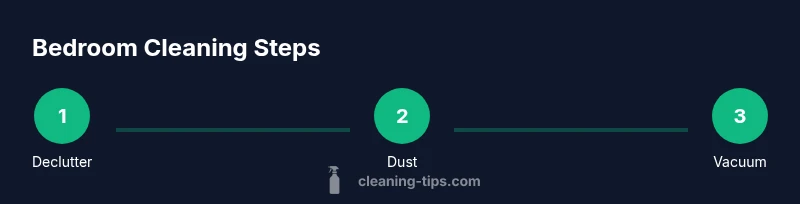
- 1
Declutter the room
Collect clutter and sort items into keep, donate, or discard. Put clothes in a laundry basket and place trash in a bag. This creates breathing room for deeper cleaning and reduces back-and-forth movement.
Tip: Use a laundry basket as a mobile sorter to speed up the declutter. - 2
Dust from top to bottom
Dust ceiling corners, light fixtures, shelves, and surfaces, finishing with furniture fronts. A microfiber cloth traps dust better than a dry wipe, reducing re-settling.
Tip: Work in sections to prevent dust from resettling as you move. - 3
Wipe surfaces and touchpoints
Wipe desks, nightstands, windowsills, and switch plates. Use a slightly damp cloth for sticky residues, then dry with a clean microfiber to avoid streaks.
Tip: Follow with an anti-static wipe on electronics if safe for the device. - 4
Vacuum or sweep floors
Vacuum carpets and rugs, then mop hard floors. Move furniture as needed to reach hidden dust and debris. Finish with a quick edge clean along baseboards.
Tip: Vacuum before mopping to avoid re-soiling. - 5
Refresh linens and air flow
Change sheets, pillowcases, and any washable fabrics. Open windows or turn on a fan to improve air circulation and reduce musty odors.
Tip: If possible, air out the room for 15 minutes after cleaning.
Questions & Answers
How often should you clean your bedroom?
Aim for a quick daily tidy and a deeper weekly or biweekly clean. Adjust the schedule to your routine and allergies.
Aim for a quick daily tidy, then a deeper weekly clean. Adjust for your routine and allergies.
What if I have limited time?
Prioritize decluttering and high-touch surfaces in 15 minutes. Small, focused sessions keep spaces manageable when you're busy.
Focus on decluttering and quick surface wipes in short sessions.
Are vinegar and baking soda safe for cleaning a room?
Yes, for many surfaces vinegar and baking soda are effective; test on a hidden spot first and avoid mixing together.
Vinegar and baking soda can be useful, but test first and don't mix them.
How can I reduce dust in a bedroom with carpets?
Vacuum with a high-quality filter, and wash or rotate rugs or drapes periodically to minimize trapped dust.
Vacuum regularly with a good filter and clean fabrics periodically.
Should I involve other people in cleaning?
Yes, assign simple tasks and create a rotating schedule to share the load and maintain consistency.
Involve others by sharing simple tasks on a rotating schedule.
What’s a renter-friendly approach to cleaning?
Focus on odor control, walls and floors that you won’t damage, and simple storage solutions to meet lease requirements.
Keep odors down and avoid wall damage with simple storage and routine.
Watch Video
The Essentials
- Declutter first to create usable space
- Dust from top to bottom to trap settled dust
- Vacuum last to avoid spreading dust
- Refresh linens for a cleaner feel
- Stay consistent with short daily routines