Baking Soda Clean Drain: Safe DIY Guide for Clogs
Learn how to use baking soda to clean drains safely, deodorize, and avoid harsh chemicals with practical steps, tools, and tips for homeowners and renters.


Use baking soda and hot water to clear minor clogs and deodorize drains without chemicals. Start with 1/2 cup baking soda, then 1 cup white vinegar. Let the fizz sit for 15–30 minutes, then flush with hot water. For stubborn clogs, repeat once or add a plunger; never combine with chemical cleaners.
Why Baking Soda Clean Drain Works
Baking soda is a mild alkali that helps loosen greasy buildup and soap scum that cling to pipes. When combined with hot water, it creates a gentle reaction that can lift hair and mineral deposits from the interior of the drain. The Cleaning Tips team notes that baking soda is non-toxic and generally safe for most household plumbing, making it a preferred first step before resorting to harsher products. For homes with septic systems, using baking soda as part of a broader approach is unlikely to upset the bacterial balance when used in moderation. In practice, this method delivers dual benefits: it deodorizes the drain by neutralizing odors and it helps prevent future buildup by breaking down organic residues. Keep in mind that results vary based on the clog type and pipe condition, so this technique is best suited to minor slowdowns rather than complete blockages. According to Cleaning Tips, adopting non-chemical methods aligns with safer, healthier homes and reduces exposure to fumes for families.
Environmental considerations and overall strategy
Choosing baking soda over chemical drain cleaners reduces the release of caustic fumes and lowers the risk of pipe damage. This aligns with eco-friendly cleaning goals that many homeowners pursue today. To maximize safety and effectiveness, use hot water rather than boiling water, and avoid mixing with other cleaners. If you want a pleasant scent, add a teaspoon of lemon juice; note that the fragrance is cosmetic more than cleansing power. For best results, address routine drain maintenance every few weeks, especially in kitchens where grease and starches accumulate, and in bathrooms where hair and soap scum are common. Always consider your plumbing materials—PVC and older metal pipes can react differently to heat, so exercise caution and adjust temperature accordingly. This approach reflects clean, sustainable living advocated by Cleaning Tips and observed in many eco-friendly home routines.
Common pitfalls and safety tips
A common mistake is assuming baking soda alone will magically solve a severe clog. For stubborn slow drains, you may need a mechanical aid such as a plunger or a drain snake. Do not attempt to force a cure with large quantities of baking soda or with repeated dosing; this can cause residue buildup or slow drainage over time. Never mix baking soda with chemical drain cleaners; the combination can release hazardous gases and cause damage. Also, avoid using boiling water if your plumbing includes PVC joints, since extreme heat can warp plastic connections. If you have metallic pipes, excessive heat may accelerate corrosion. Finally, wear gloves and keep children and pets away during treatment, and always have a backup plan in case the drain remains clogged after one treatment. Keeping notes on what you tried helps with future maintenance.
Authority sources and practical references
For evidence-based guidance on safe household cleaning and non-chemical drain maintenance, consult reputable sources. Here are a few references you can trust: - EPA: Household Cleaning and Disinfectants guidelines on safe use of cleaners and alternatives (https://www.epa.gov). - University of Illinois Extension: Home cleaning and drain maintenance tips discussing non-chemical methods and routine care (https://extension.illinois.edu). - University of California Agriculture and Natural Resources: Home cleaning and sustainability pages that cover safe cleaning alternatives (https://ucanr.edu). These sources emphasize avoiding harsh cleaners and using natural options like baking soda as part of routine care.
Tools & Materials
- baking soda(1/2 cup (about 120 ml) for each treatment)
- white vinegar(1 cup (about 240 ml))
- hot water(Enough to flush the drain after fizzing (2–3 liters if available))
- kettle or pot for heating water(Optional if you heat water outside the tap)
- measuring cup/spoon(For accurate dosing of baking soda and vinegar)
- rubber gloves(Protect hands during handling)
- drain plunger(Helpful for stubborn clogs)
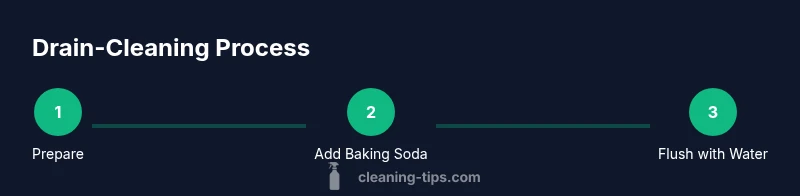
Steps
Estimated time: 30-60 minutes
- 1
Prepare the area and safety gear
Clear the area around the drain and lay down towels or a tray to catch spills. Put on gloves if you have sensitive skin and ensure kids and pets are away. If there is standing water, remove as much as possible with a cup or towel to reduce splashes.
Tip: Have towels handy and work in a well-ventilated space. - 2
Measure and add baking soda
Measure 1/2 cup baking soda and pour it directly into the drain. Use a funnel if needed to avoid spills. This step starts the cleaning reaction and helps loosen residues.
Tip: A funnel keeps the powder from sticking to the sides of the drain opening. - 3
Pour vinegar and cover
Slowly pour 1 cup white vinegar into the drain. The mixture will fizz as the baking soda reacts. If possible, cover the drain with a silicone plug or a damp cloth to keep the fizz contained.
Tip: Letting the fizz stay contained can improve contact with buildup. - 4
Let it sit
Allow the fizz to work for 15–30 minutes. This dwell time gives the reaction a chance to loosen debris. Don’t rush this step; patience matters for best results.
Tip: Use this time to wipe down nearby surfaces or prep hot water for flushing. - 5
Flush with hot water
Boil water or heat very hot water and slowly pour it down the drain to rinse away loosened debris. Use a steady stream to maximize the rinse and prevent splashing.
Tip: Pour gradually to avoid splashing and to allow the water to carry debris away. - 6
Evaluate and repeat if needed
Run water to test the drain. If it’s still sluggish, you can repeat the treatment once or combine with a mechanical method like a plunger. For persistent clogs, contact a plumber.
Tip: Keep a note of what you tried and when so you can adjust next time.
Questions & Answers
What is the best order to use baking soda and vinegar for drains?
Pour baking soda first, then vinegar; let the fizz work for 15–30 minutes before flushing with hot water. Repeat if needed. This sequence helps maximize contact with buildup without introducing harsh chemicals.
Baking soda first, then vinegar, and flush after fizzing for best results.
Can I use this method on a septic system?
Yes, in moderation. Baking soda is generally safe for septic systems when used sparingly as part of a maintenance routine. Avoid frequent, heavy use and monitor the system’s performance.
Safe for septic systems when used in moderation.
Is it safe to use boiling water?
Boiling water can damage some pipe materials, especially PVC. Use hot water that is hot but not boiling, and adjust to your plumbing type.
Hot water is safer than boiling for most home pipes.
Will baking soda fix all clogs?
No. Baking soda works best for minor buildup and slow drains. Heavier clogs may require mechanical tools or professional service.
Not a universal fix; call a pro for stubborn clogs.
How often should I perform this method?
Use as a maintenance step every few weeks for kitchens or bathrooms with frequent buildup. It’s not a substitute for professional cleaning when a clog is severe.
Do this as regular maintenance, not a cure for severe clogs.
What if the drain still smells after cleaning?
A lingering odor may indicate trapped organic matter or a clogged trap. Consider a dedicated deodorizing clean and check for mold or trapped residues; if bad odors persist, consult a plumber.
If odors persist, check the trap and consider professional help.
Watch Video
The Essentials
- Use baking soda and hot water for minor drains first.
- Allow 15–30 minutes for the fizz to work, then flush with hot water.
- Do not mix with chemical cleaners; this can be dangerous.
- Persistent clogs require mechanical tools or a plumber.