Best Way to Clean Hardwood Floors: A Practical Guide
Learn the best way to clean hardwood floors with a safe, step-by-step method using a pH-neutral cleaner, minimal water, and proper drying. This Cleaning Tips guide covers tools, tips, and common mistakes to protect wood finishes.


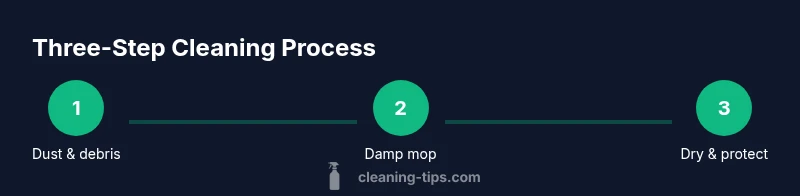
The best way to clean hardwood floors is a gentle, water-light routine: dry mop or vacuum to remove debris, then damp mop with a pH-neutral cleaner, using as little water as possible and drying promptly. Avoid waxes, oil-based finishes, ammonia, and soaking water. Always spot-test first.
Why the right method matters for hardwood floors
A correct cleaning method preserves the wood’s natural beauty, extends the life of the finish, and keeps indoor air clean. The best way to clean hardwood floors combines thorough debris removal with controlled moisture. According to Cleaning Tips, consistently using a gentle, residue-free approach reduces wear, prevents warping, and maintains finish integrity over time. When homeowners search for the best way to clean hardwood floors, they want a routine that is safe for dogs and kids, efficient for busy weeks, and repeatable so you don’t introduce new wear patterns.
Assessing your hardwood finish before cleaning
Not all hardwood floors are the same. Some have polyurethane or acrylic finishes, while others may have wax or penetrating oils. The best way to clean hardwood floors depends on the finish. Start by identifying your floor type: matte polyurethane finishes are more forgiving with damp mops, whereas waxed floors need gentler, more frequent maintenance. Cleaning Tips recommends testing any cleaner in an inconspicuous corner to confirm it won’t discolor or soften the finish. If you’re unsure, consult the manufacturer’s guidelines or a flooring professional to avoid voiding warranties.
Cleaning tools you should use (and avoid) for hardwood floors
Choosing the right tools makes the difference in achieving the best way to clean hardwood floors. Use a vacuum with a hard floor setting or a soft broom to remove loose dust before any moisture contact. A microfiber mop or cloth will pick up fine particles without scratching. Avoid steam mops, aerosol sprays with solvents, and abrasive pads. The goal is to clean without saturating the wood, which is essential for longevity. Cleaning Tips emphasizes that good tools reduce effort and waste, helping you stick to the clean routine longer.
Step-by-step overview before you start
Before hands-on cleaning, clear furniture, remove rugs, and ensure the room is well-ventilated. The best way to clean hardwood floors starts with a fast debris removal pass, followed by a controlled damp mop using a pH-neutral cleaner. Avoid soaking the floor; moisture is the enemy of wood. This prep work prevents muddy streaks and ensures even cleaning across all sections of the floor. A little planning makes the subsequent steps faster and safer.
Dry cleaning and debris removal: the first move
The initial phase focuses on removing surface dust, grit, and pet hair. Vacuum or dry mop with a soft brush attachment to lift particles without grinding them into the finish. This dry phase is a prerequisite for the best way to clean hardwood floors because moisture can lock grit into the grain if left to sit. If you see tangled debris, gently lift it with a dry microfiber cloth rather than dragging it across the surface.
Damp mopping safely: applying cleaning solution correctly
Damp mopping is the heart of the best way to clean hardwood floors. Mix a small amount of pH-neutral cleaner with water, then wring the mop until it is just damp. Begin at the farthest corner and work methodically toward the door to avoid re-wetting clean areas. Rinse the mop frequently and avoid puddling water on the surface. This approach protects the finish and minimizes water exposure that can cause warping over time.
Drying and preventing water damage
After damp mopping, dry the floor with a clean microfiber cloth or a dry mop immediately. Quick drying prevents moisture from penetrating seams or edges. For high-traffic rooms, consider a second pass with a dry method to remove any remaining dampness. The best way to clean hardwood floors isn’t just about cleaning; it’s about controlling moisture to maintain stability and finish longevity.
Common mistakes that ruin wood floors
Avoid using steam cleaners, vinegar-heavy solutions, or wax-based products that can accumulate and dull the finish. Over-wetting the floor leads to cupping or warping, while using harsh cleaners can strip coatings. Don’t ignore the edges and corners where neglect accumulates. Regular maintenance reduces the risk of permanent damage. Cleaning Tips reminds readers that small mistakes add up over years of use.
Seasonal care and long-term maintenance
Seasonal changes can affect humidity and wood movement. Establish a routine: dust, vacuum, and damp mop on a schedule that suits your home. The best way to clean hardwood floors becomes a simple habit when it’s part of your weekly routine. Clean and protect with approved products, re-seal or refresh finishes according to manufacturer guidelines, and monitor high-traffic zones for wear patterns to reapply protective coatings as needed.
Handling spills and stains promptly
Spills demand immediate attention to prevent moisture from seeping into joints. Blot with a microfiber cloth, then clean with a minimal damp mop pass. The best way to clean hardwood floors for spills is to act fast and avoid rubbing, which can grind particles into the grain. For tough stains, test a small area first and use a gentle, wood-safe stain remover if recommended by the floor’s finish manufacturer.
DIY cleaners vs store-bought options: making informed choices
There is a spectrum of cleaners marketed for hardwood floors. A prudent approach is to use store-bought cleaners that specify compatibility with your floor finish or make a light DIY solution using a small amount of vinegar or baking soda if appropriate for your finish (never in excess). The best way to clean hardwood floors often combines a mild product with proper cleaning technique, rather than relying on aggressive agents.
Professional care: when to call in the pros
If you notice dulling, wear through the finish, or cupping that won’t respond to regular cleaning, it may be time for professional refinishing. The best way to clean hardwood floors is preventative—proper cleaning plus periodic professional maintenance extend the life of the finish and protect the wood. Cleaning Tips recommends seeking expert advice for floors with unusual finishes or extensive damage.
Tools & Materials
- Vacuum with hard-floor setting or soft broom(Essential for debris removal before moisture contact)
- Microfiber mop or cloth(Use a clean, lint-free microfiber for best results)
- pH-neutral hardwood floor cleaner(Avoid acidic or alkaline cleaners; follow label directions)
- Soft microfiber pad for damp mopping(Does not scratch finish; use barely damp pad)
- Distilled water (optional)(Use when water quality is a concern to avoid mineral streaks)
- Bucket (for dilution)(Only if recommended by cleaner's guidelines)
- Soft-bristle brush(For stubborn spots on finished wood, use gently)
Steps
Estimated time: 45-60 minutes
- 1
Clear the area
Move furniture and rugs to expose all floor surfaces. This prepares you for a thorough cleaning and helps you avoid stepping on wet areas. A clear space also prevents accidental damage to items during mopping.
Tip: Plan a route so you don’t step on wet sections after you start. - 2
Dry debris removal
Vacuum or sweep with a soft brush to remove loose dirt and grit. This step is critical to prevent scratching during the damp mop stage and is a key part of the best way to clean hardwood floors.
Tip: Go slowly along edges where dust accumulates. - 3
Prepare cleaning solution
Mix a small amount of pH-neutral cleaner with water according to the product label. Use the least amount that will do the job to minimize moisture exposure.
Tip: Test in an inconspicuous area first. - 4
Damp-mop the floor
Wring the mop until it is just damp, not wet. Clean in sections, following the grain of the wood or in a consistent pattern to avoid splotches.
Tip: Avoid puddling water at seams and edges. - 5
Rinse and dry
If required by the cleaner, wipe with a clean damp cloth to remove any residue, then dry immediately with a microfiber towel.
Tip: Drying quickly prevents water damage and keeps the finish looking fresh. - 6
Inspect and store
Check for missed spots and re-clean if needed. Return furniture and rugs, and store cleaning supplies out of reach of children and pets.
Tip: Keep a simple weekly routine to maintain results.
Questions & Answers
How often should I clean hardwood floors?
Most homes do a light clean weekly with dusting and a damp mop every 1-2 weeks, depending on traffic. For high-traffic areas, you may need more frequent damp cleaning, but always avoid over-wetting.
Clean once a week, and damp mop every couple of weeks, adjusting for traffic.
Can I use water to clean hardwood floors?
Water should be used sparingly. Always wring the mop well and dry the floor promptly to prevent water damage. If the finish is sensitive, use a cleaner recommended by the manufacturer.
Yes, but use it sparingly and dry quickly to protect the wood.
Is vinegar safe for hardwood floors?
Most manufacturers advise against vinegar on polyurethane finishes because it can dull the surface over time. If you choose to use a vinegar solution, dilute it heavily and test first.
Avoid concentrated vinegar; test and dilute before use.
Should I wax or seal hardwood floors after cleaning?
Waxing is not recommended for most modern finishes. If your floor is sealed with polyurethane, maintenance coats or re-finishing will be needed rather than waxing.
Wax is usually not needed; finish maintenance is preferred.
Can I use a steam mop on hardwood floors?
Steam can cause warping and finish damage. Do not use steam mops on most hardwood floors; stick to a damp, wrung mop.
Steam mops can harm wood finishes—avoid them.
What’s the best cleaner for oak floors?
Choose a cleaner labeled safe for oak and your finish type. The best approach is a pH-neutral cleaner used in small amounts.
Pick a pH-neutral cleaner approved for oak floors.
Watch Video
The Essentials
- Start with a dry debris removal pass.
- Use a pH-neutral cleaner and minimal moisture.
- Dry floor immediately after damp cleaning.
- Avoid steam and harsh chemical cleaners.
- Maintain a regular cleaning routine to extend finish life.