Can You Use to Clean Hardwood Floors: Safe Methods
Learn safe cleaners and techniques for hardwood floors, including pH-neutral options, cautions about vinegar, and best practices to protect finishes.


Yes—use a pH-neutral wood floor cleaner or a mild, water-diluted solution applied with a microfiber mop. Avoid ammonia, bleach, wax-based products, or soaking the wood. Wring the mop well and work in the direction of the grain. Dry the floor promptly to prevent moisture damage and warping.
Why hardwood floors demand careful cleaning
According to Cleaning Tips, hardwood floors require gentle cleaning to preserve finish and prevent moisture damage. Regular sweeping removes grit that scratches surfaces. Understanding your floor's finish and applying the right cleaners helps extend its life, while avoiding excess moisture. This knowledge is crucial for homeowners and renters who want to keep their floors looking new for years. If you're asking 'can you use to clean hardwood floors', the short answer is yes—with a pH-neutral cleaner and careful drying. The goal is to remove dirt without penetrating the finish or soaking the wood, and to know when to call a professional for repairs.
What cleaners work best for hardwood floors
The safest option is a pH-neutral cleaner designed specifically for wood floors. These products balance cleaning power with finish care, reducing dullness and wear over time. If you don't have a dedicated cleaner, use a very mild solution of water with a tiny drop of gentle dish soap, but avoid suds and residue. Avoid ammonia, bleach, wax-based cleaners, oil soaps, or anything that leaves film. Always test on a small, inconspicuous area before applying anywhere visible.
Tools and technique: mopping and drying
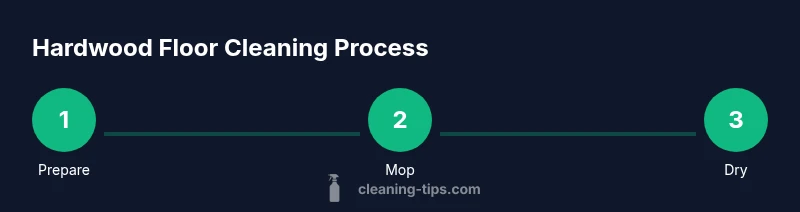
For best results, start with a thorough dry cleanse: vacuum with a hardwood setting or sweep with a soft-bristle broom to remove dust and grit. Use a microfiber mop lightly dampened with your chosen cleaner—never soak the pad. Work in the direction of the grain and overlap each stroke to avoid missed spots. After mopping, go over the floor with a dry microfiber cloth or towel to pick up any remaining moisture, particularly along edges and near door jambs.
Common mistakes to avoid
- Too much water: Excess moisture can seep into seams and cause swelling or warping over time. Always use a damp, not wet, mop.
- Steam cleaning: Steam mops can force water into cracks, stripping finishes and damaging adhesives. Avoid unless the manufacturer approves.
- Wax-based or oil-based cleaners: These can leave a slippery film that attracts dirt and is hard to remove.
- Not drying edges: Water can wick into baseboards and corners; dry these areas promptly with a towel.
- Abrasive pads: They scratch the finish; stick to non-abrasive cloths and pads.
Maintenance routine for long-term care
A regular cleaning routine helps maintain the floor’s appearance and structural integrity. Start with daily dusting or sweeping to prevent grit from grinding the finish. Damp-mop weekly using a pH-neutral cleaner, and perform a deeper clean every few months or when the floor shows dullness or residue. Humidity control matters: very dry air can cause gaps, while excessive humidity can lead to swelling. Place mats at entryways and use furniture pads to minimize scratches.
Quick-start checklist
- Clear the area of furniture and obstacles. 2) Vacuum or sweep to remove dust and particles. 3) Mix or prepare your cleaner as directed. 4) Mop with a damp microfiber pad, working in the grain direction. 5) Dry the floor with a clean microfiber cloth. 6) Check edges and corners for moisture and dry as needed. 7) Allow the floor to air-dry before walking on it.
Tools & Materials
- Vacuum with hardwood floor setting(Use a vacuum suitable for hard floors; avoid beater bars on wood finishes.)
- Soft-bristle broom(Gentle sweep to lift dust without scratching.)
- Microfiber mop(Wring well; use a damp (not soaking) pad.)
- Bucket(For diluted cleaner if not using a spray bottle.)
- pH-neutral hardwood floor cleaner(Designed for wood finishes; follow label directions.)
- Water(Clean, room-temperature water for dilutions or damp mopping.)
- Soft cloth or towel(For drying edges and squeegee-free moisture control.)
- Gloves (optional)(Protect hands during cleaning.)
Steps
Estimated time: 30-60 minutes
- 1
Move furniture and prep area
Clear the space by removing small furniture items and rugs. Take a quick pass with a vacuum or broom to remove loose debris that could scratch the finish once the floor is damp. This keeps the cleaning process efficient and reduces the chance of re-scratching surfaces.
Tip: Always start with a clean, dust-free surface to prevent gritty residue from scratching the finish. - 2
Dust and sweep
Give the floor a thorough dry dusting or sweeping to remove dust, pet hair, and grit. This step ensures you’re not rubbing loose particles into the wood during mopping. Pay attention to corners and along baseboards where dust accumulates.
Tip: Use slow, deliberate strokes to prevent scattering dust into the air. - 3
Prepare cleaner and test
If using a dedicated wood cleaner, follow the label and prepare a small amount in a bucket or spray bottle. If you’re using a mild water solution, mix just enough to dampen the mop. Always test the cleaner on an inconspicuous area before proceeding widely.
Tip: A quick spot test can prevent finish damage or discoloration. - 4
Mop the floor
Dampen the microfiber mop and clean in the direction of the wood grain. Work in small sections, overlapping slightly to avoid missed spots. Do not let water pool or sit on the surface.
Tip: Wring the mop as dry as possible; moisture is the enemy of wood finishes. - 5
Rinse edges and corners
If you notice any cleaner residue near edges, wipe with a damp, clean cloth to remove it. This prevents film buildup and ensures even sheen across the floor.
Tip: Edges can trap more moisture; a careful pass prevents warping. - 6
Dry and inspect
Use a dry microfiber cloth to go over the floor once more and remove any remaining moisture. Inspect for streaks or damp spots and re-dry as needed. Return furniture and allow floors to air-dry before walking on them.
Tip: Never walk on damp floors with socks or rough shoes to avoid tracking moisture.
Questions & Answers
Can you use vinegar on hardwood floors?
Vinegar can be used in some cases, but many finishes react poorly to acidic cleaners. Use only a highly diluted solution or opt for a dedicated wood floor cleaner and always test first on a hidden spot.
Vinegar isn’t always safe for wood finishes; test first or choose a dedicated wood cleaner.
Is it safe to steam clean hardwood floors?
Steam cleaning is generally not recommended for hardwood floors because moisture can seep into joints and damage the finish. If your manufacturer allows it, use the lowest setting and a compatible cleaner, but proceed with caution.
Steaming is usually not advised for hardwood; check your floor’s finish first.
What cleaners should I avoid for hardwood floors?
Avoid ammonia, bleach, wax-based products, and oil soaps. These can dull, damage, or leave residues that attract more dirt.
Avoid harsh cleaners and products that leave a film.
How often should I clean hardwood floors?
Sweep or vacuum daily in high-traffic areas and damp-mop weekly. Do a deeper clean every few months, or when you notice dullness or residue.
Regular small cleanups plus periodic deep cleaning keeps floors looking good.
How can I protect hardwood floors while cleaning?
Wring mops well, use a damp cloth for edges, and avoid standing water. Use furniture pads and door mats to minimize scratches and moisture exposure.
Wring out the mop and protect with pads and mats.
Should I use water on hardwood floors?
Use a damp mop with minimal moisture. Excess water can cause swelling or warping, especially near joints and edges.
Too much water can ruin the floor; keep it damp, not wet.
Watch Video
The Essentials
- Use a pH-neutral cleaner for safety
- Mop with a damp microfiber pad—never soak
- Dry floors promptly to prevent damage
- Test cleaners first and protect edges and furniture