Bio Clean for Drains: A Practical How-To Guide
Learn how bio clean for drains with enzyme-based cleaners reduces organic buildup, supports septic health, and prevents clogs. Step-by-step usage, safety tips, and long-term maintenance from Cleaning Tips.


Bio clean for drains uses beneficial bacteria and enzymes to digest organic buildup inside pipes, helping prevent clogs. Gather an enzyme-based drain cleaner, protective gloves, a measuring cup, and plenty of hot water. Follow the step-by-step guide to apply, wait, and flush for best results. This approach is gentler on pipes and septic systems and suits homes with regular maintenance.
What bio clean for drains is and why it matters
According to Cleaning Tips, bio clean for drains uses a blend of live bacteria and enzymes to digest organic buildup inside pipes, including grease, soap scum, hair, and food particles. When applied correctly, these organisms colonize the drain and slowly break down debris that would otherwise slow water flow or lead to clogs. Unlike harsh chemical cleaners, enzyme-based products work gradually, giving you steady improvement without harming seals, septic systems, or beneficial bacteria in the environment. Regular use supports a healthier drain ecosystem. In practice, you’ll notice fewer slow-draining moments and less frequent need for mechanical snaking. The Cleaning Tips analysis shows that enzyme-based cleaners are most effective when used as part of a regular maintenance routine, not as a one-off fix. Always start with a dry, clear drain and avoid pouring cleaners directly into standing water; this helps the product reach the clog’s interior where bacteria can start working.
How enzyme-based cleaners work in your plumbing
Enzyme cleaners contain bacterial strains and proteases that target complex organic compounds like grease and protein residues. When the product enters the drain, enzymes break down organic matter into smaller, water-soluble pieces that flow away with the water. Biocatalysis is gentle on pipes, reducing the risk of damage from harsh chemicals and preserving septic health. The effect is cumulative: regular treatments gradually reduce buildup, so you may see improvements after several days of use. Note that these products do not immediately dissolve hair tangles or mineral scale; they excel at organic waste and kitchen waste. For stubborn blockages, mechanical methods may be necessary, but enzyme cleaners can prevent future clogs by removing new organic material before it hardens. For septic systems, choose a product labeled septic-safe and avoid maintenance products that contain bleach or caustic agents.
Choosing the right bio clean for drains
Selecting a product requires reading the label for enzyme activity, living cultures, and contact time. Look for terms like 'enzyme-based,' 'probiotic,' or 'live cultures.' Confirm that the product is safe for septic systems if you have one and that it is suitable for your pipe material (PVC, metal, etc.). Pay attention to the recommended dwell time and the amount per use. You’ll typically pour the dose into a dry drain and wait, ideally with the drain cap open to reduce pressure. If you have a two-bathroom home with heavy usage, plan for more frequent treatments.
Safety and best practices when using bio clean
Wear gloves to protect skin and keep cleaners away from children. Ventilate the area if you’re using products with strong odors, and avoid mixing with other cleaners, especially bleach or ammonia-based products, which can release dangerous gases. Always measure the dose accurately; too much product does not speed up the process and may cause foaming or spills. Keep the product out of reach of pets, and store it in a cool, dry place away from direct sunlight. If you accidentally swallow or inhale, contact poison control.
Creating a maintenance plan with bio clean
To make bio clean for drains work consistently, schedule monthly treatments for typical households or more often in homes with heavy use. Pair cleaner applications with preventive habits: run hot water for 30 seconds after each major bathroom use, avoid pouring grease down the sink, and keep hair catchers clean. Document the date on the bottle so you know when to reapply, and adjust frequency if you notice slower drainage. The goal is a steady flow rather than dramatic, immediate results.
Tools & Materials
- bio clean for drains (enzyme-based drain cleaner)(Choose a product with active enzymes and septic-safe labeling)
- protective gloves(Latex or nitrile, durable grip)
- measuring cup(Follow label dosage, usually 1/4 to 1/2 cup)
- hot water(Not boiling; around 140-160°F (60-71°C))
- plunger or snake (optional)(For initial clearance or stubborn clogs)
- flashlight or phone light(Inspect the drain opening before applying)
Steps
Estimated time: 60-90 minutes
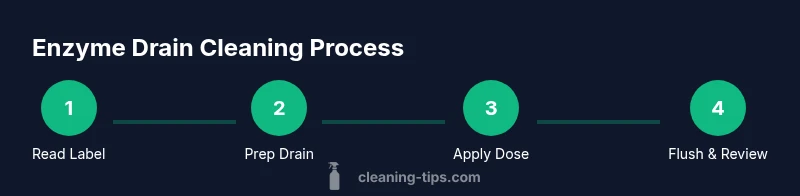
- 1
Read label and prep the area
Review the dosage, dwell times, and safety precautions on the product label. Put on gloves and ensure children and pets are out of the room. Confirm septic compatibility and pipe material suitability before proceeding.
Tip: Always follow the label instructions and safety warnings. - 2
Clear drain and remove visible debris
Remove standing water if possible and fish out large debris with a gloved hand or a small tool. A flashlight can help you see the drain opening and trap area so the cleaner can reach deeper.
Tip: Use a flashlight to avoid missing loose debris that could block the cleaner’s path. - 3
Measure the correct dose
Pour the recommended amount into your measuring cup and level it off. Avoid guessing or eyeballing the dose, as over-dosing won’t speed results and could cause unnecessary foaming.
Tip: Exact dosing improves effectiveness and reduces waste. - 4
Pour into the drain
Slowly pour the product into the drain, aiming to coat the interior walls where buildup tends to accumulate. Keep the drain cap open if possible to prevent pressure buildup.
Tip: Pour slowly to minimize splashes and contact with skin. - 5
Let it dwell for the recommended time
Allow the cleaner to incubate for the label-specified dwell time (often 15–60 minutes). Do not rush to flush; the enzymes need time to act on organic material.
Tip: Resist the urge to run water before the dwell time ends. - 6
Flush with hot water
After the dwell time, run hot water through the drain for 1–2 minutes to rinse away dissolved material and clear the line.
Tip: Water around 120–140°F is effective without risking pipe damage. - 7
Assess results and repeat if needed
Check the drainage after a few hours; if water still drains slowly, you may repeat the treatment once or proceed with mechanical cleaning.
Tip: If there is no improvement after one treatment, consider a professional assessment.
Questions & Answers
Are enzyme-based bio clean for drains safe for septic systems?
Most enzyme-based cleaners labeled septic-safe are suitable for septic systems, but read the label and avoid combining with other harsh chemicals.
Most enzyme-based drain cleaners labeled septic-safe are okay for septic systems, but always read the label.
How often should I use bio clean for drains?
Use as part of a regular maintenance plan, not as an emergency fix. Follow the product label for frequency and dosage.
Use regularly according to the label; it isn’t a one-off fix.
Will it remove hair clogs?
Enzyme cleaners target organic waste but hair clogs are largely mechanical. You may need physical removal if hair has formed a solid block.
Enzymes help with organic buildup but won’t dissolve hair clogs on their own.
What’s the difference between bio clean and chemical drain cleaners?
Bio cleaners use enzymes and probiotics, working gradually and gently on pipes. Chemical cleaners act quickly but can be harsher on pipes and septic systems.
Biological cleaners are usually gentler on plumbing and septic systems.
Can I use bio clean for drains in kitchen and bathroom?
Yes, many enzyme cleaners are formulated for multiple drain types; verify product label for compatibility with your pipes and septic system.
Yes, but check the product label for where it can be used.
What should I do if the clog persists after treatment?
If the drain remains slow after a treatment, try mechanical methods like plunging or snaking, or consult a plumber for a professional assessment.
If it stays slow, you may need mechanical cleaning.
Watch Video
The Essentials
- Rely on enzyme-based cleaners for ongoing drain maintenance.
- Follow label guidance to ensure safety and efficacy.
- Avoid mixing with chemical cleaners to prevent dangerous reactions.
- Follow Cleaning Tips' septic-safe guidance for long-term drain health.