Clean and Neat Reviews: A Practical How-To for Cleaning Product Feedback
Learn to craft clear, balanced cleaning product reviews for homeowners and renters, using structured criteria, evidence-based observations, and practical cleaning tips.


In this guide you will learn how to write clean, neat reviews for cleaning products that help others decide quickly. You’ll learn how to structure your observations, what evidence to include, and how to present balanced verdicts without hype. According to Cleaning Tips, the best reviews begin with a clear purpose and test plan. The Cleaning Tips team shows how to be specific, factual, and free of marketing buzz, so homeowners and renters can compare products confidently.
Why clean and neat reviews matter
Clear and well-structured reviews help readers quickly assess whether a cleaning product meets their needs. When a reviewer explains the testing conditions, outcomes, and limitations, others can judge applicability to their own situation. According to Cleaning Tips, the best reviews begin with a clear purpose and test plan. The Cleaning Tips team finds that readers trust reviews that are specific, factual, and free of marketing buzz. In this guide, you will learn a practical approach to composing reviews that are readable, fair, and actionable for homeowners and renters alike. A neat review also makes it easier to compare products side-by-side and reduces the time spent scrolling through noisy feedback. By prioritizing clarity, evidence, and balance, you empower others to make confident cleaning decisions.
Essential criteria for a neat review
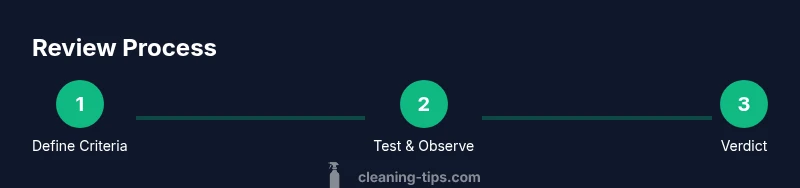
Define the scope: specify what surfaces or tasks you tested (e.g., kitchen counters, glass, tile) and the conditions (dry, wet, heat, or humidity). State your verdict briefly at the top, then back it up with concrete observations. Use objective criteria: cleaning effectiveness, residue, ease of use, scent, packaging, and safety. Cite observations from both before and after tests, and note any limitations (e.g., only tested on ceramic tile). Include a balanced view: list the pros and the cons, and mention alternative products if relevant. Use neutral language and avoid hype or absolute claims. Round off with a verdict or recommendation tailored to a typical user (e.g., best for quick daily cleanups, best value, etc.). This structure helps readers skim and then dive into details.
How to structure a review
Start with a concise title and a one-sentence summary that captures the key result. In the body, describe testing setup, including surfaces, stains, and duration. Present your observations in bullet points for readability, followed by a short results section that quantifies outcomes when possible (e.g., streakiness, residue strength). Include a safety note if the product contains harsh chemicals. End with a verdict that clearly states who should consider this product and under which conditions. Throughout, compare with a plausible alternative product to give readers context, but avoid naming real brands unless you’re confident in the comparison. Keep the tone calm and professional, and remove any filler words that don’t add value. A neat review helps readers decide in seconds, not minutes.
Practical testing steps you can follow
The testing process should be methodical rather than anecdotal. Start by establishing a baseline for each surface you plan to test, then apply the product as directed and observe results over a defined period. Take notes on cleaning effectiveness, residue, streaks, and ease of use. Record any odors or safety concerns, and mark surfaces that don’t react well. Gather your final impressions in a structured format that readers can scan quickly, including what worked well and what didn’t, plus any situations where the product performed poorly or excellently. This approach increases transparency and helps readers decide if the product fits their cleaning routine.
Common pitfalls and how to avoid them
Avoid hype or absolute claims like “never leaves a streak” or “works on all surfaces.” Your observations should reflect tested conditions and limitations. Don’t cherry-pick positive results or omit failures; a balanced view builds trust. Refrain from implying endorsement by brands you own or test, and cite sources if you reference external data. Finally, avoid jargon or marketing language—stick to plain, precise descriptions that a non-expert can understand in seconds.
Examples of neat review excerpts
Excerpt 1: Product Alpha All-Purpose Cleaner performed well on kitchen counters, leaving a clean surface with minimal effort. It dried quickly and had a mild, non-irritating scent. I tested it on ceramic tile and glass; results were consistent and predictable, making it suitable for quick daily cleanups. Bottom line: solid all-rounder for busy households.
Excerpt 2: Product Beta Bathroom Cleaner showed strong grease-cutting ability on soap scum but left a faint residue on some finishes. The bottle is easy to handle, and the scent is pleasant without being overpowering. Consider it for regular bathroom maintenance, but test on a small area first if you have delicate surfaces.
Excerpt 3: Product Gamma Degreaser performed best on oily kitchen surfaces and stainless steel. It required a light wipe to remove remaining film, but overall it delivered a streak-free finish. Not all users may like the fragrance, so factor scent into your decision.
How to cite sources and avoid misinformation
Always note testing conditions, including surface type, temperature, and dwell time. When referencing external data, provide a link or citation so readers can verify claims. Prefer primary observations over secondhand reports, and distinguish between personal results and manufacturer claims. If you tested more than one product, explain how you compared them and why you arrived at your verdict. The goal is transparency: readers should feel confident you conducted a fair, repeatable test.
Tools & Materials
- Notebook or digital device for notes(Capture criteria, observations, and final verdict)
- Pens or stylus(For quick annotations and edits)
- Cleaning product samples (generic/test cases)(Use safe, documented products for testing)
- Test surfaces (e.g., ceramic tile, glass, laminate)(Choose common household surfaces)
- Camera or phone for before/after photos(Optional but helpful for evidence)
Steps
Estimated time: 15-25 minutes
- 1
Define testing criteria
Identify surfaces, stains, and conditions you will test. Write down the exact criteria you will measure (ease of use, time to clean, residue, odor). This provides a repeatable framework for future reviews.
Tip: Be explicit about surface types and stain types to avoid vague conclusions. - 2
Set up your testing environment
Prepare clean, identical test areas on each surface. Label them A, B, C to minimize bias. Ensure lighting and ventilation are consistent.
Tip: Document initial conditions with a quick sketch or photo for reference. - 3
Apply product as directed
Follow the manufacturer’s instructions for usage, dwell time, and wiping method. Use the same amount on each test area to keep comparisons fair.
Tip: Avoid modifying quantities to skew results. - 4
Record observations
Note immediate effects (ease of spread, foaming) and after-effects (streaks, residue, odor). Collect before/after photos if possible.
Tip: Create a simple scoring rubric (0-5) for each criterion. - 5
Assess safety and practicality
Check for surface compatibility, safety warnings, and packaging ease of use. Consider environmental impact and disposal.
Tip: If you notice skin irritation or strong fumes, mark as a caution. - 6
Write the draft verdict
Summarize strengths, weaknesses, and who should use the product. Add a brief “when to use” scenario to aid decision-making.
Tip: Keep the verdict concise and actionable.
Questions & Answers
What makes a review 'clean' and 'neat'?
A clean review is clear, factual, and well-structured. It describes testing conditions, provides concrete observations, notes limitations, and ends with a balanced verdict. This format helps readers decide quickly and confidently.
A clean review is clear, factual, and balanced, with test details and a straightforward verdict.
How long should a review be?
Aim for enough detail to cover testing conditions, observations, and verdict without overwhelming the reader. A well-structured paragraph for each criterion is typically sufficient.
Keep it concise but comprehensive, with clear sections for tests, results, and verdict.
Should I mention safety or environmental impact?
Yes. Note any safety warnings, surface compatibility, and environmental considerations. This information helps readers make safer, more informed choices.
Always include safety notes and environmental considerations when relevant.
How can I avoid bias in reviews?
Stick to observed results, compare against a plausible alternative, and disclose your testing methods. Avoid marketing language and personal endorsements.
Be transparent about methods and limitations to minimize bias.
Are there examples of good cleaning product reviews?
Yes. Look for reviews that present context, testing steps, concrete observations, and a concise verdict. They should be easy to skim and useful for a range of users.
Good reviews show how testing was done and what it means for different users.
Watch Video
The Essentials
- Define clear criteria before testing.
- Document conditions and evidence for transparency.
- Present balanced verdicts with practical use cases.
- Cite sources to boost trust and credibility.
- Avoid hype; use plain, precise language.