Can Mr Clean Be Used on Wood Floors? Safe Cleaning Guide
Learn whether Mr. Clean can be used on wood floors and discover safe, wood-friendly cleaning methods. This guide covers finishes, pH-neutral cleaners, testing, and best practices.


Can Mr. Clean be used on wood floors? In most cases, you should avoid using the standard Mr. Clean multi-surface cleaners on bare wood or waxed/finished wood floors. These cleaners can strip finish, dull the shine, and leave a residue. For wood floors, choose a pH-neutral cleaner designed for wood and always test a small, inconspicuous area before cleaning the entire surface.
Understanding Wood Floors and Cleaners
Wood floors vary in finish—polyurethane, varnish, wax, or oil—each with different tolerance to moisture and cleaners. The finish protects the wood; cleaners that are too alkaline, acidic, or contain solvents can break down the finish and eventually penetrate the wood. The goal is to remove dirt without stripping protective layers. According to Cleaning Tips, homeowners often assume any all-purpose cleaner is safe, but wood finishes respond differently to different formulas. The Cleaning Tips team found that using the wrong cleaner is one of the most common reasons for dullness and micro-scratches on wood floors. Additionally, the presence of soil, pet hair, and high-traffic creates a need for a routine that is gentle yet effective. In practice, you should treat wood floors with a product labeled as safe for wood finishes and avoid cleaners that are explicitly designed for tile, stone, or vinyl. This is because those products may contain additives that could degrade wood over time. By understanding the finish type on your floors and choosing the right cleaner, you can maintain luster and longevity.
Why Mr. Clean Is Not Ideal for Wood Floors
Most Mr. Clean multi-surface cleaners are formulated for general household surfaces and may contain ingredients that can strip wax and dull polyurethane finishes. Although these products can remove light grime, they do not offer the controlled lifting that a wood-safe cleaner provides. Repeated use can leave a film, attract more dirt, and require more aggressive scrubbing later—potentially harming the finish. Wood floors are porous and can absorb moisture; even small amounts of excess liquid can cause swelling, warping, or damage to engineered planks. The Cleaning Tips team notes that the type of finish matters; waxed floors especially benefit from protective wax layers and are particularly sensitive to water and solvent-based cleaners. If you see streaks, dullness, or a hazy film after cleaning with an all-purpose cleaner, it’s a signal that the finish may be compromised. The bottom line is: for wood floors, dedicated wood-safe, pH-balanced cleaners are a better first choice.
Safer Alternatives: Wood-Safe Cleaners and Routine
The safest approach for wood floors is to use a cleaner formulated specifically for wood finishes. Look for products labeled 'wood floor cleaner' or 'pH neutral' and avoid cleaners with ammonia, bleach, or strong solvents. A small amount of cleaner diluted according to the label, applied to a well-wrung microfiber mop, will lift dirt without saturating the wood. Dusting or dry sweeping should happen daily; wet cleaning should be a weekly or biweekly practice in most homes, with more frequent care in high-traffic areas. After cleaning, dry the surface immediately to prevent moisture from seeping into seams. For polyurethane finishes, these rules help maintain gloss and reduce micro-scratches. For waxed floors, stick to cleaners designed for wax and consider periodic buffing to restore shine. Always follow the product instructions and test in a hidden area first to ensure no adverse reaction. The goal is a balanced approach that cleans thoroughly while preserving the protective layer.
How to Clean Wood Floors: A Practical Routine
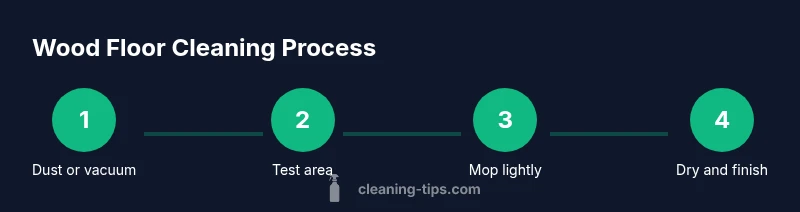
A practical routine begins with daily dusting and weekly damp cleaning using wood-safe products. Start by removing loose debris with a vacuum attachment or a microfiber broom, ensuring you pick up grit that can scratch the finish. Next, lightly dampen a microfiber mop with the cleaner diluted per label directions; never saturate the mop or pour cleaner directly onto the floor. Work in small sections following the grain to minimize streaks, rinsing and wringing the pad as needed. After mopping, go over the area with a dry microfiber cloth to remove any remaining moisture. For stubborn spots, apply a tiny amount of cleaner to a soft cloth and rub gently; never scrub aggressively. Finally, allow the floor to air-dry for a few minutes before returning furniture to its place. If you share the space with pets or children, you may want to place area mats near entryways to trap dirt before it reaches the wood.
Special Cases: Waxed, Oiled, or Unfinished Wood
Waxed floors require a different approach: avoid water and use wax-safe cleaners while buffing as recommended by the manufacturer. For oiled floors, use products designed for oiled finishes and consider re-oiling periodically to maintain a protective layer. Unfinished wood absorbs moisture quickly and is more vulnerable to water damage; if you must clean it, use the least amount of liquid and dry thoroughly immediately. In all cases, never rely on a single cleaner for all stains; test the effect on hidden areas first. If you notice peeling, dark spots, or a change in color after cleaning, stop and consult a professional. The takeaway: identify the finish first, then select a product that respects that finish to avoid costly refinishing later.
Testing and Maintenance: Prolonging Wood Floor Life
Before applying any new cleaner, perform a patch test in an inconspicuous area: wait a few minutes to observe for changes in color or finish. Look for signs of moisture damage: cupping, warping, or edge lifting. Regular maintenance includes sweeping or dust-mopping daily, damp cleaning weekly, and avoiding steam mops or high-moisture tools. Use protective pads on furniture legs and place mats at entrances to reduce wear; this simple habit dramatically extends floor life. For damaged finishes, call a professional to assess refinishing needs rather than attempting home remedies that could worsen the problem. With consistent care, wood floors retain their beauty for years.
Common Mistakes and Quick Fixes
Common mistakes include using all-purpose cleaners like Mr. Clean on wood floors, soaking the wood with water, and not drying promptly. Quick fixes: if you notice streaks, switch to a wood-safe cleaner and buff the area with a dry cloth. If the finish looks dull, refer to the manufacturer’s care guide rather than trying home remedies. For stubborn marks, test a small area first and consult a professional if you see discoloration or peeling. By avoiding these missteps, you can maintain a healthy, long-lasting wood floor finish.
Tools & Materials
- pH-neutral wood floor cleaner(Choose a product labeled for wood floors; avoid general multi-surface formulas.)
- microfiber mop(Wring well; floors should be damp, not wet.)
- soft microfiber cloths(For spot cleaning and drying.)
- vacuum with soft brush attachment(Gathers dust without scratching.)
- water bucket (optional)(Only if you need to dampen the mop lightly; avoid soaking.)
- dry towels(For final drying after cleaning.)
Steps
Estimated time: 15-25 minutes
- 1
Prepare the area
Clear the space by removing furniture and rugs. Vacuum or sweep to capture loose dirt and grit. This prep minimizes scratches and ensures even cleaning.
Tip: Move slowly to avoid knocking items; clear a full path for the cleaning route. - 2
Dust and sweep the floor
Use a microfiber broom or vacuum with a soft brush to lift dust without scratching the finish. Move slowly and pay attention to corners and under cabinets. This reduces grit that can become grinding particles during mopping.
Tip: Focus on edges and under furniture where dust collects. - 3
Test a small area first
Dampen a microfiber cloth with your wood-safe cleaner and apply to a hidden patch. Wait 2-5 minutes to observe any color change or finish dulling. If no adverse reaction, you can proceed.
Tip: Always test before cleaning a visible area. - 4
Mop with a damp microfiber
Lightly dampen your mop with diluted cleaner according to label directions. Wring the mop until it is barely damp; never saturate the wood. Mop in small sections following the grain, and avoid standing water.
Tip: Rinse the mop frequently to prevent spreading dirt. - 5
Rinse and dry
If you used a cleaner that could leave residue, wipe the area with a clean dry microfiber cloth. Go over the surface again with a dry cloth to remove any moisture. Allow the floor to air-dry completely before returning furniture.
Tip: Use multiple dry passes to ensure no dampness remains. - 6
Maintenance after cleaning
Inspect for sticky spots and buff with a dry cloth if needed. Place felt pads on furniture legs and use door mats to reduce future dirt. Schedule weekly dusting to minimize wet cleaning needs.
Tip: Prevention is cheaper than refinishing later.
Questions & Answers
Can you use Mr. Clean on wood floors?
Generally, avoid using Mr. Clean multi-surface cleaners on wood floors. Opt for a pH-neutral cleaner designed for wood finishes and test first on a small area. This preserves the finish and reduces streaks.
Avoid Mr. Clean on wood floors. Use a wood-safe, pH-neutral cleaner and test a small area first.
What cleaners are safe for wood floors?
Look for products labeled as wood floor cleaners and pH neutral. Avoid ammonia, bleach, or solvents that can harm finishes. Always follow the product instructions and test in a hidden spot.
Use pH-neutral wood cleaners and avoid ammonia or bleach. Test first.
Is it safe to mop wood floors with water?
Water can cause damage if it pools or soaks into seams. Use a damp, not wet, mop and dry promptly after cleaning.
Moisture can damage wood; use a barely damp mop and dry immediately.
What should I do if the finish looks dull after cleaning?
Stop using the cleaner and test another wood-safe product. If dullness persists, consult the flooring manufacturer’s care guide or a professional.
If dull, switch cleaners and follow the manufacturer's care guide or contact a pro.
How often should wood floors be cleaned?
Dust daily or as needed, damp-clean weekly in normal homes, and adjust in high-traffic areas. Avoid excessive moisture.
Dust daily; damp-clean weekly, more in busy areas.
Watch Video
The Essentials
- Avoid standard Mr. Clean on wood floors.
- Choose a pH-neutral cleaner labeled for wood.
- Test cleaners on hidden areas first.
- Dry floors thoroughly after cleaning.
- Match cleaner to your floor finish to avoid damage.