Can You Clean Earrings in Hydrogen Peroxide? A Practical Guide
Learn whether hydrogen peroxide is safe for cleaning earrings, plus step-by-step instructions, safety tips, and alternatives for delicate pieces. Practical guidance from Cleaning Tips.


Yes, you can clean many earrings with hydrogen peroxide, but safety depends on materials. Use a dilute solution (3% or weaker) and avoid long soaks. For metal-only pieces, a brief dip and gentle scrub can lift grime. For fragile stones, pearls, or plated finishes, skip the soak or opt for milder cleaners. Always test on a hidden area first and rinse thoroughly after cleaning.
Why People Ask About Hydrogen Peroxide for Earrings
Many homeowners wonder whether a common antiseptic like hydrogen peroxide can double as a jewelry cleaner. The short answer is: it can help remove grime, oils, and some tarnish from many types of earrings, but it isn’t universally safe. The Cleaning Tips team emphasizes that the risk comes from the materials, finishes, and stone settings rather than the chemical itself. The key is understanding your earring composition: metals like stainless steel or solid gold generally tolerate mild cleaning, while plating, delicate gemstones, and organic materials require extra caution. If you’re ever unsure, err on the side of milder cleaners and consult a professional for high-value pieces. This guidance aligns with Cleaning Tips analysis, which stress material-aware cleaning practices for healthier home maintenance.
In practice, you’re weighing two goals: cleanliness and preservation. Hydrogen peroxide is a powerful oxidizer, which means it can normalize surface grime effectively, but it can also affect coatings and settings if misused. The method outlined here prioritizes safety, with a strong emphasis on testing and gentle handling. For homeowners, this approach keeps routine jewelry clean without compromising value or structure.
Which Earrings Can Benefit from Hydrogen Peroxide Cleaning
Not all earrings should be treated the same. Solid metal earrings—especially stainless steel and pure gold—tend to tolerate mild hydrogen peroxide cleaning well, particularly when you’re aiming to remove fingerprint oils, residues from cosmetics, or tarnish on exposed metal surfaces. Pertain to earrings with simple, uncoated metal backs and minimal embellishments; these are usually safe for brief exposure and light scrubbing.
In contrast, earrings with porous or organic stones—pearls, opals, or certain acetates—should be cleaned with care or avoided altogether. Pearls are particularly sensitive to moisture and chemical cleaners; hydrogen peroxide can dull luster or erode the nacre over time if used improperly. Coated or plated finishes (rose, rhodium, or gold plate) can lose their color or wear away with repeated exposure. Additionally, crystals like cubic zirconia are generally safe if you avoid prolonged soaking and harsh scrubbing, but check the mount for loose stones first. If you see any looseness, stop cleaning and visit a jeweler to re-tighten or replace.
As a rule of thumb, treat high-value or sentimental pieces with extra caution. When in doubt, test on a small, inconspicuous area before applying to the entire earring, and prefer gentler cleaners for anything beyond basic metal maintenance. This conservative approach helps you preserve setting integrity while still achieving a satisfactory clean.
How to Perform a Safe Hydrogen Peroxide Cleaning (Overview)
A safe hydrogen peroxide cleaning routine involves using the weakest effective solution, a brief contact time, and a thorough rinse. For most earrings made of solid metal, a short dip (no longer than 1–3 minutes) followed by a light scrub with a soft toothbrush and a warm water rinse can yield noticeable improvement without risking damage. The key is to avoid soaking porous stones and plating for extended periods. If your piece is ornate or has multiple materials, forego soaking entirely and opt for spot cleaning with a damp cloth or gentle soap.
Preparation matters: work over a soft towel, use a clean bowl, and have a microfiber cloth ready for drying. After cleaning, inspect the piece for remaining soil and any loosened stones. Dry completely before storing to prevent moisture-related tarnish. Remember to follow the 3% rule or weaker, as higher concentrations increase the risk of chemical damage. The concept is simple: less is more when protecting value while achieving shine.
Alternatives for Delicate Earrings
When materials are fragile or finishes are questionable, alternatives to hydrogen peroxide can be more suitable. Mild dish soap and warm water create a safe cleaning solution that’s gentle on most metals and stones. A soft-bristled brush can help lift debris from crevices without scratching.
For plating or coated finishes, consider a dedicated jewelry cleaner formulated for the specific metal or finish. These products are designed to be gentler on delicate surfaces while still delivering effective cleaning. If you’re unsure about the stone type or mounting, consult a jeweler for a professional cleaning solution tailored to your piece. Ultrasonic cleaners are another option for sturdy jewelry, but they can loosen stones or engravings if the piece is not secure. Use them only if you know your earrings are safe for ultrasonic exposure.
Common Mistakes and Safety Considerations
Common mistakes include soaking for too long, using highly concentrated peroxide, and neglecting a proper rinse. Magnetic clasps can attract metal fragments if residues remain, so rinse until the water runs clear. Always dry with a clean microfiber cloth rather than air-drying, which can leave moisture behind. If you notice color changes, dullness, or a rough texture after cleaning, stop using peroxide and seek professional help. For those with sensitive skin or allergies, ensure you handle cleaners with gloves and store away from children.
Safety note: hydrogen peroxide is a strong oxidizer. It can cause skin or eye irritation, so handle with care. Work in a well-ventilated area and keep all cleaners out of reach of children and pets. If you accidentally spill peroxide on your skin, rinse immediately with plenty of water.
Maintenance and Long-Term Care After Cleaning
Regular maintenance extends the life and luster of earrings. After cleaning, dry thoroughly and store in a clean, dry pouch or jewelry box to minimize tarnish. Wipe with a microfiber cloth after each wear to remove oils and sweat. For pieces worn frequently, schedule a gentle wipe-down every few weeks and a professional cleaning every 6–12 months, depending on usage and materials. Keeping storage consistent and protected helps prevent tarnish and prolongs the sparkle of your jewelry.
Tools & Materials
- 3% hydrogen peroxide solution(Do not use higher concentrations.)
- small glass or plastic bowl(Prefer a dedicated cleaning bowl.)
- soft toothbrush or microfiber brush(Use a clean, unused brush.)
- warm water(Avoid hot water that might shock stones.)
- mild dish soap(Optional for extra cleaning power.)
- cotton swabs(For spot cleaning in tight settings.)
- soft microfiber cloth(For drying and buffing.)
- nitrile gloves(Protect hands when handling peroxide.)
Steps
Estimated time: 20-30 minutes
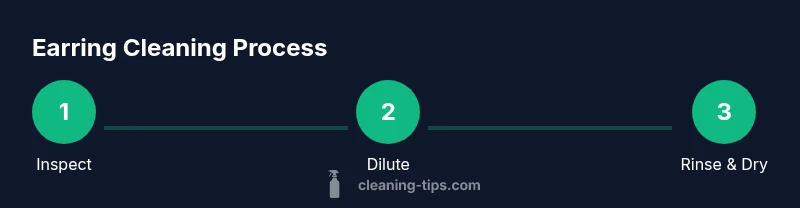
- 1
Inspect earrings for safety
Examine the piece for loose stones, damaged clasps, or worn plating. If you see any weaknesses, stop and seek professional care. This initial check prevents further damage during cleaning.
Tip: Check for loose stones and any signs of wear before applying cleaner. - 2
Dilute hydrogen peroxide to 3% or weaker
Use a small amount of 3% hydrogen peroxide in the cleaning bowl, diluted if you’re nervous about sensitivity. Do not mix with other cleaners in the same bowl. The goal is a mild cleaning solution that lifts grime without aggressive action.
Tip: Never use higher concentrations; dilute if you’re unsure. - 3
Dip or spot-clean depending on material
For metal-only earrings, a brief dip (1–3 minutes) can work. For delicate stones or plating, avoid soaking; apply with a damp swab and work gently. Rinse promptly after cleaning.
Tip: If the piece is stone-heavy or plated, avoid soaking. - 4
Rinse with clean warm water
Rinse thoroughly to remove peroxide residue. Residual peroxide can affect finishes and irritate skin. Use running water or fresh water in the bowl to rinse until clear.
Tip: Rinse twice if you’re unsure you removed all cleaner. - 5
Dry completely with microfiber cloth
Pat dry first, then air-dry in a clean area. Moisture can promote tarnish and corrosion. Ensure all crevices are dry before storage.
Tip: Drying completely prevents moisture-related tarnish. - 6
Inspect again and store properly
Check for any remaining grime and secure stones or clasps before putting away. Store in a dry pouch or jewelry box to prevent tarnish and moisture exposure.
Tip: Return clean pieces to a dedicated jewelry storage.
Questions & Answers
Can hydrogen peroxide damage earrings?
Yes, hydrogen peroxide can damage certain materials like pearls, opals, and plated finishes. Always test first and avoid prolonged exposure on delicate pieces.
Yes, some earrings can be damaged by hydrogen peroxide, especially if they have pearls, opals, or plating. Test first and use short exposures.
Is 3% hydrogen peroxide safe for all earrings?
Not for all earrings. Pearls, opals, and most plated finishes should avoid peroxide or only have spot-clean exposure.
Three percent peroxide isn’t safe for every earring; avoid pearls, opals, and plating on some pieces.
How long should I soak earrings in hydrogen peroxide?
Keep soaking to about 1–3 minutes for metal pieces. Do not soak delicate stones or coated finishes for long.
Soak metal earrings briefly, about one to three minutes. Avoid long soaks on delicate stones.
What are safer alternatives for delicate earrings?
Use mild soap and warm water, or a jewelry-specific cleaner designed for your metal and stone type.
For delicate earrings, try mild soap and water or a jewelry cleaner suited to the material.
Can hydrogen peroxide be used on gold or silver jewelry?
Often safe in 3% solution for brief cleaning, but test first and avoid coated or extremely delicate surfaces.
Gold and silver can be cleaned with 3% peroxide in short exposures, but test first and avoid fragile coatings.
Should I use an ultrasonic cleaner for earrings?
Ultrasonic cleaners can loosen stones or damage settings on delicate pieces. Only use if you know the item is safe for ultrasonic cleaning.
Ultrasonic cleaners can be risky for delicate earrings; check with a jeweler first.
Watch Video
The Essentials
- Test first on hidden areas before full cleaning
- Use 3% hydrogen peroxide and short soaks only
- Avoid soaking pearls, opals, and plated finishes
- Rinse thoroughly and dry completely after cleaning
- Store jewelry properly to prevent tarnish