Can You Clean with Cold Water? A Practical Guide
Explore whether cold water can clean effectively, when to use it, and how to maximize results with cold-water detergents, stains, and eco-friendly tips.


Can you get clean with cold water? Yes—you can clean effectively with cold water. This quick answer introduces when cold water works, how to maximize cleaning power, and common tasks best suited for cold-water cleaning. You’ll learn temperature impact, detergents, timing, and safety tips to ensure thorough cleanliness across laundry, surfaces, and bathrooms while saving energy and protecting fabrics.
Why Cold Water Cleaning Is Viable
According to Cleaning Tips, cold-water cleaning strategies deserve a closer look. The default assumption that hot water is always necessary for 'real' cleanliness isn't accurate for everyday tasks. Cold water can remove many common soils, dissolve certain detergents effectively, and reduce fabric wear on frequent laundry. The science behind temperature and cleaning is nuanced: water temperature affects surfactant performance, stain behavior, and microbial activity, but it does not decide the entire outcome. In practice, the difference between a 20°C wash and a 40°C wash is often modest for colorfast fabrics and lightly soiled loads, especially when you pair the right detergent and a targeted approach. For kitchens and bathrooms, cold water rinses with strong friction and proper chemicals can achieve excellent results, particularly when you use microfiber cloths or scrub brushes to boost mechanical action.
Next, we should emphasize energy and environment: using cold water reduces energy use because heating water is a major portion of a washing machine's energy draw. The Cleaning Tips team has found that many households could cut energy consumption by a significant fraction simply by selecting cold cycles for the majority of loads. Additionally, cold washes can be gentler on fabrics, reducing color fading and fiber stress over repeated cleaning cycles. In homes with color textiles or delicates, cold water is often the safer default. But there are caveats: heavily soiled oils, grease, or certain stains may respond better to warm cycles or specialized pretreatments.
In general, for many routine cleaning tasks, cold water is a viable option that helps protect fabrics and the planet, provided you choose the right detergents and methods.
When Cold Water Works Best
Cold water shines on loads with colorfast fabrics, synthetics, and lightly soiled clothes. For kitchen surfaces and bathroom fixtures, cold rinses paired with microfiber cloths can remove grime effectively without risking heat damage or dye bleed. The energy savings are especially noticeable in households that do multiple cycles per week. Start with small loads and check care labels; if the fabric label shows a recommended temperature lower than 30°C, cold water should be safe. In addition, cold water in combination with enzymatic detergents can help break down organic soils without needing heat. When tackling towels and everyday wear, cold cycles offer a balance of cleanliness and fabric care that works well for most families.
However, not all tasks respond the same way. Greasy residues, heavy oils, or makeup stains may require pretreatment or a warmer wash. If you’re cleaning tools or dishes with built-up grease, cold water can still be effective when you allow for thorough scrubbing and longer contact time with a proper dish detergent. The aim is to use temperature strategically: reserve warm or hot cycles for problem soils and color-fast fabrics where approved.
How Temperature Affects Cleaning Power
Temperature changes how soils dissolve and how detergents behave. Warm and hot water excel at dissolving oily residues and lipophilic soils, and they can accelerate certain cleaning reactions. Cold water relies more on surfactants and mechanical action to lift soils, and modern cold-water detergents often include enzymes designed to target proteins and carbohydrates that common household soils leave behind. The practical upshot: if you’re using a high-quality cold-water detergent and you provide ample agitation, you can achieve results comparable to warm washes for many everyday loads. Temperature also influences fabric safety: cold water reduces fiber stress, color bleeding, and shrinkage in many garments, making it ideal for color-rich wardrobes and delicate fabrics. When in doubt, check the garment care label and test a hidden seam first to confirm colorfastness and shrinkage tendencies.
How to Maximize Cold-Water Cleaning
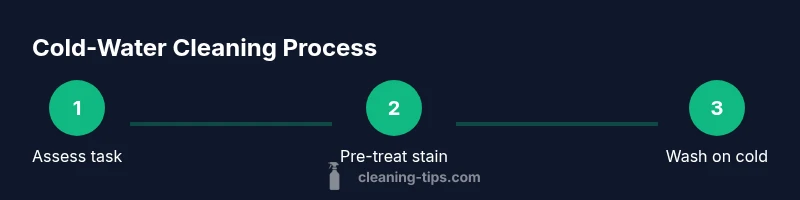
Maximizing cold-water cleaning starts with selecting the right detergent and planning the workflow. First, always choose a detergent labeled for cold-water use and add the recommended amount based on load size and soil level. Pre-treat stains or heavily soiled areas with a stain remover or enzymatic pretreatment, allowing it to dwell for 5–10 minutes before washing. Use full- or mid-length cycles that include adequate agitation and a rinse-step to remove residues. For textiles, load evenly to maintain balance and maximize mechanical action; avoid overloading which reduces cleaning efficiency. Finally, consider a short, warm rinse after a long cold wash for hard-to-remove residues, especially on towels and bedding. Drying matters too: air-dry delicate fabrics and use lower heat settings for other items to preserve color and integrity. By coupling detergent choice, proper dosing, soaking when needed, and appropriate cycle settings, cold-water cleaning becomes a reliable daily tool.
Common Mistakes and Safe Practices
Avoid the common pitfall of assuming cold water alone will do all the work. For greasy soils or very soiled items, an initial warm or hot wash may be necessary, or use a warm rinse after a cold wash to boost soil removal. Do not overload the washer, as crowded loads reduce mechanical action and rinse efficiency. Always read labels before washing to confirm the recommended water temperature, particularly for delicate fabrics and color-prone garments. When cleaning in bathrooms and kitchens, use non-abrasive tools like microfiber cloths to lift grime without scratching surfaces. Store detergents safely away from children and pets, and never mix chemicals with unknown interactions. Finally, test new products on hidden areas first to avoid color transfer or fabric damage.
Tools & Materials
- Cold-water laundry detergent(Formulated for 15-30°C (59-86°F) washes)
- Stain pretreatment product(Enzymatic or color-safe pretreatment for tough spots)
- Measuring cup or scoop(Accurate dosing based on load size and soil level)
- Soft brush or old toothbrush(Helpful for pretreating stubborn stains; use gently)
- Color-safe laundry booster (optional)(Boost whitening or brighten colors for cold washes)
Steps
Estimated time: 60-90 minutes
- 1
Assess the task and load
Identify the cleaning task and check fabric care labels. Decide if cold water is appropriate for the load based on fabric type and soil level. If in doubt, start with a small test load to confirm results.
Tip: Check labels for colorfastness and any temperature restrictions. - 2
Choose the right detergent
Select a detergent formulated for cold water and measure according to the package directions. If soils are light, a standard dose is often sufficient; for heavier soils, consider a pretreatment and a longer wash.
Tip: Use cold-water formulas to maximize cleaning efficiency at lower temperatures. - 3
Pre-treat stains when needed
Apply stain remover or enzymatic pretreatment to visible stains and let dwell for 5–10 minutes before loading. For set-in stains, gently rub with a soft brush; avoid aggressive scrubbing that can damage fibers.
Tip: Work from the outside in to prevent spreading stains. - 4
Run the appropriate cold cycle
Choose a cycle with sufficient agitation and a thorough rinse. If the soil is heavy, opt for a longer cycle or add an extra rinse to ensure residues are removed. Avoid overloading the machine to keep the mechanical action effective.
Tip: Consider a wash-and-rinse sequence if your machine offers a pre-wash option. - 5
Dry and verify results
Check for remaining stains and odors after washing. Dry according to fabric care labels; air-dry delicates and use lower heat on other items to protect colors.
Tip: If soils persist, rewash with adjusted detergent dose or a warm rinse if allowed.
Questions & Answers
Can cold water clean all fabrics and stains?
Cold water cleans many fabrics and common stains, but heavy greases or set-in stains may require warmer temperatures or pretreatment. Always check fabric care labels.
Cold water works for most fabrics and stains, but for heavy grease, you may need a warmer wash or pretreatment.
Are there detergents specifically designed for cold water?
Yes. Many detergents are formulated to work effectively at low temperatures. Look for packaging that says 'cold-water formula' or 'works in cold water'.
Yes, many detergents are designed for cold water; check the label for cold-water performance.
Is cold-water cleaning more eco-friendly?
Yes. Cold-water cleaning saves the energy needed to heat water, reducing overall household energy use and lowering your carbon footprint.
Yes—washing in cold water uses less energy and can cut your household's energy use.
What are signs cold washing isn’t removing soil?
If garments stay visibly dirty or odors persist, rewash with a higher-quality cold-water detergent dose or switch to a warm rinse if allowed by care labels.
If it still looks dirty after a cold wash, try a warmer cycle if guidelines allow.
How should I dry items after cold washing?
Dry according to fabric labels; air-dry delicates and use lower heat for others to protect colors and fit. Prompt drying helps prevent odors.
Dry per the fabric label and consider air-drying delicates to protect them.
Watch Video
The Essentials
- Choose cold water for most loads to save energy.
- Pre-treat stains to boost cold-water effectiveness.
- Use detergents labeled for cold water and proper dosing.
- Dry promptly and inspect results to prevent odors.