Can You Clean with Just Water? A Practical Guide for Home
Explore whether you can clean with just water, when it works, and how to maximize water-based cleaning in everyday routines with practical, step-by-step guidance.


Can you clean with just water? For many everyday tasks, yes—water alone can remove light dirt from nonporous surfaces when you use friction, proper temperature, and enough time. It’s a safer, low-waste approach suitable for quick refreshes, but it isn’t a universal solution for grease, molds, or sticky residues. When needed, add mild soap sparingly.
What 'clean' means when you only use water
Water is a solvent, but its effectiveness depends on the soil, the surface, and your technique. According to Cleaning Tips, water-based cleaning can reduce chemical exposure and waste when dealing with light dirt on smooth surfaces. The question 'can you get clean with just water' becomes practical when you know its limits and employ proper technique. In this guide, we unpack how to apply water effectively, what it can handle, and where it falls short. By understanding the basic physics of wetting, friction, and residue removal, you’ll learn to assess each cleaning scenario and decide whether water alone suffices or if a mild additive is warranted. This approach aligns with practical, eco-friendly routines that fit busy homes.
What water can and cannot do for cleaning
Plain water can remove dust, loosen light residues, and help rinse away debris when surfaces are nonporous and soils are soft. It cannot reliably dissolve oily films, heavy grease, mold, or mineral scale without assistance. Water's effectiveness rises when you combine warmth, mechanical action, and enough contact time. For porous materials, water alone may wet deeply and leave staining or moisture retention; these surfaces often need a mild detergent or specialized treatment. By understanding these boundaries, you can decide when water alone is appropriate and when to escalate to cleaners. Remember that context matters: a clean countertop is very different from a moldy shower grout, and the same water action won’t suit both.
Techniques to maximize water-based cleaning
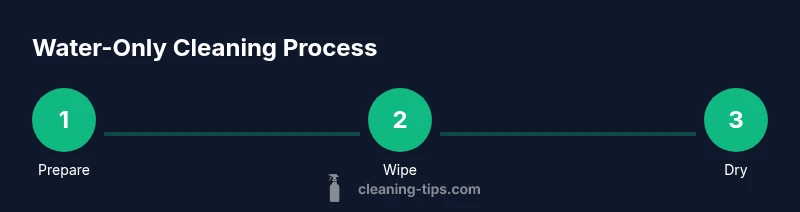
- Use warm water if safe for the surface. Warm water reduces viscosity of many soils, helping lift grime. - Employ mechanical action: rub, scrub, and wipe in a consistent direction to break soil bonds. - Use microfiber cloths or soft brushes to increase friction with minimal moisture. - Rinse with fresh water after wiping to remove residues and dry with a clean towel. - Limit surface wetting on electronics or porous materials; dry promptly to prevent damage. By combining these practices, water becomes a stronger cleaning tool without added chemicals.
When water alone is enough: surfaces and contexts
Water-only cleaning shines on finished hardwood, sealed countertops, glass, metal appliances, and ceramic tiles with only light soils. It’s particularly effective for quick daily refreshes like wiping kitchen counters, stovetops, and bathroom glass. For children’s toys, plain water can sanitize visually clean surfaces but should be followed by air-drying and, if needed, a mild soap solution. Always assess the soil type before sticking to water-only methods. This is where many households start a habit of simple, recurring rinsing that reduces chemical use while preserving surface integrity.
Practical routines for households: daily, weekly, and seasonal
Daily: quick wipe-downs with warm water and a microfiber cloth. Weekly: target high-traffic zones with water-based cleaning and light agitation. Seasonal: deep clean surfaces that accumulate mineral deposits using warm water and extra friction. Keep a clean water station—mop bucket or spray bottle filled with warm water—for ready use. Record results and adjust approach based on observed soil and surface sensitivity. Water-first routines can reduce chemical purchases and waste over time, while maintaining a routine that’s affordable and accessible for most homes.
Safety, limitations, and when to add cleaners
Always test a small, inconspicuous area before broad application, especially on wood finishes, painted surfaces, or brushed metals. Never spray water directly into electrical outlets or devices, and avoid saturating porous items like upholstery unless you’re prepared to dry thoroughly. If grease, soap scum, or visible mold remains after water cleaning, introduce a mild detergent or enzyme-based cleaner and re-test. In most homes, water-based cleaning reduces chemical exposure while maintaining hygiene when used thoughtfully and patiently. The Cleaning Tips team reminds readers to prioritize safety and surface compatibility.
Tools & Materials
- Water source(Tap water or bottled water; warm water if safe for the surface)
- Microfiber cloths(Lint-free and absorbent; reusable after washing)
- Soft-bristle brush(For textured surfaces and grout without scratching)
- Bucket or basin(For rinsing and wringing out cloths)
- Spray bottle (empty)(Targeted moisture without oversoaking)
- Drying towel(To dry surfaces and prevent streaks)
- Protective gloves(Optional for skin protection during routine cleaning)
Steps
Estimated time: 30-60 minutes
- 1
Gather materials
Collect water, microfiber cloths, a soft-bristle brush, a bucket, spray bottle, drying towels, and optional gloves. Set up a clean, contained workspace to minimize drips and cross-contamination. Having everything at hand saves time and keeps technique consistent.
Tip: Arrange items within arm's reach to keep rhythm and reduce lingering moisture on uncleaned areas. - 2
Test a small area
Apply a small amount of warm water to an inconspicuous spot to confirm surface compatibility and finish. Observe for discoloration, moisture retention, or warping over a short period (2–5 minutes). If issues arise, switch to cooler water or avoid that surface.
Tip: Fail-fast on a hidden patch to protect visible surfaces. - 3
Moisten and wipe
Dampen a microfiber cloth with warm water and wring it well. Wipe the surface in sections, using gentle, consistent motions to lift soils. Replace the cloth when it becomes visibly dirty or saturated.
Tip: Always wring out well to avoid over-wetting and runoff that can carry soils elsewhere. - 4
Tackle stubborn spots
For stubborn residues, apply a touch of moisture and use a soft brush or circular motions with light pressure. Avoid harsh scrubbing that can scratch or dull finishes. Reassess after treatment.
Tip: Limit scrubbing to the area needing it to prevent unnecessary wear. - 5
Rinse and dry
Rinse the area with a fresh, damp cloth or light spray of water to lift loosened soils. Immediately dry with a clean towel to prevent streaks and moisture retention.
Tip: Drying is essential to prevent mold on porous materials. - 6
Inspect and adjust
Inspect the cleaned area for remaining dirt or moisture. If needed, repeat the process or switch to a mild detergent for tougher soils. Document what worked and where water-only was sufficient.
Tip: A quick second pass often achieves a visibly cleaner result. - 7
Store and reflect
Return tools to their storage area, dry any reusable cloths, and note which surfaces benefited most from water-only cleaning. Use this to refine routines and reduce chemical reliance over time.
Tip: Keep a simple log to notice patterns across rooms and seasons.
Questions & Answers
Can water alone disinfect surfaces?
Water alone mainly cleans and reduces visible soils. It does not reliably disinfect; follow label directions for any disinfectants when needed.
Water can clean, but it doesn't reliably disinfect. For disinfection, use appropriate products as directed on their labels.
Is water-only cleaning safe on all surfaces?
No. Some surfaces can be damaged by moisture or heat. Always test a small area and avoid electronics or porous items that can retain moisture.
Not all surfaces are suitable for water-only cleaning. Test first and dry thoroughly.
Can water remove grease?
Water can loosen light grease with warmth and friction, but heavy grease usually requires soap or detergent.
Water helps with light grease, but you’ll likely need soap for heavy greasy films.
How often should I change cloths when cleaning with water?
Change cloths when they become visibly dirty or damp to avoid redepositing soils.
Switch to a fresh cloth when it looks dirty to keep cleaning effective.
Does warm water help more than cold water?
Warm water generally improves soil release, but ensure the surface tolerates higher temperatures.
Warm water usually works better, as long as the surface isn’t heat-sensitive.
Can I sanitize toys with only water?
Water can clean, but sanitizing often requires soap and thorough rinsing or following manufacturer directions.
Water alone isn’t enough to sanitize most toys; follow guidance on the toy or use approved cleaners.
Watch Video
The Essentials
- Use warm water and friction for best results.
- Water-only cleaning suits light soils on nonporous surfaces.
- Dry surfaces after cleaning to prevent moisture damage.
- Escalate to soap or cleaners for stubborn grime or mold.