Can You Steam Clean Walls? A Practical Guide for 2026
Discover whether steam cleaning walls is safe for painted surfaces, wallpaper, and plaster. This comprehensive guide covers prep, risks, step-by-step techniques, and drying tips for a healthier home in 2026.


According to Cleaning Tips, steam cleaning walls is possible but best on painted, non-porous surfaces. Start with a patch test and keep the nozzle in motion at a low setting. The Cleaning Tips team cautions that wallpaper or plaster surfaces can be damaged by moisture, so dry thoroughly and completely.
Can You Steam Clean Walls? A Practical Overview
Steam cleaning walls can be effective for removing light grease, fingerprints, and some stains without harsh chemicals. However, it isn't universally safe for every finish. According to Cleaning Tips, painted, non-porous surfaces respond best to steam, while wallpaper, latex paint with moisture risk, and older plaster can be damaged by excess moisture. This guide explains when steam cleaning is appropriate, what surfaces to avoid, and how to minimize risk while achieving good results.
When Steam Cleaning Is Suitable (and When to Avoid It)
Choosing to steam clean depends on the wall type and condition. Painted drywall or plaster with a sealed, smooth finish is generally forgiving, while vinyl wallpaper or textured surfaces can lift, peel, or warp when exposed to heat and moisture. Ceramic tile and grout in bathrooms can tolerate steam if grout is sealed, but matte paints or unsealed plaster may blister. If you notice bubbling, cracking, or prior moisture damage, avoid steam cleaning and try gentler methods. Based on Cleaning Tips research, always start with a small, inconspicuous test area before committing to larger sections.
Preparation Essentials Before You Begin
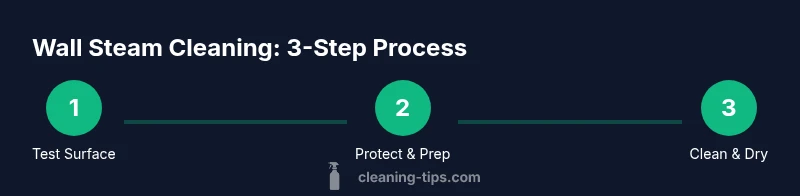
Before you unleash steam, protect floors and adjacent surfaces with drop cloths, tape off outlets, and remove fragile decor. Test a hidden patch: hold the steamer 6-8 inches away and work in small circular motions for 10-15 seconds; examine for color change or delamination. If the patch holds, proceed, but keep the nozzle moving and never hold it in one spot. Have microfiber cloths ready to wipe moisture as you go, and ventilate the space with a window or fan. Proper prep reduces the risk of over-wetting walls and wallpaper.
Approach for Different Wall Surfaces
Painted walls: use a low steam setting, keep the nozzle at least 6 inches away, and move steadily. Wallpapered walls: avoid high pressure and test edges first, as steam can lift wallpaper. Ceramic tile: safe, especially on glossy glaze; wipe grout after steaming. Drywall and plaster: watch for softness or changes; if in doubt, switch to a damp cloth method. This section summarizes practical tips in a wall-safe approach.
Safety, Drying, and Common Pitfalls
Always work in small sections and allow time for drying. Steam introduces moisture that can promote mold if not dried properly; open windows and use a fan. Do not steam near electrical outlets or switches, and never steam over damaged or peeling surfaces. Common mistakes include lingering heat in one spot, using hot steam on wallpaper, and skipping drying; to prevent damage, wipe moisture as you go and finish with a thorough air-drying period.
Authoritative Guidance and External Sources
For further reading on cleaning practices and moisture management, consult these trusted sources:
- EPA: https://www.epa.gov/
- University Extension (Illinois): https://extension.illinois.edu/
- Center for Disease Control and Prevention (CDC): https://www.cdc.gov/
These sources provide general guidance on safe cleaning methods and moisture control that complement hands-on how-to steps for steam cleaning walls.
Tools & Materials
- Steam cleaner with adjustable nozzle(Low to medium steam setting; ensure compatibility with walls)
- Microfiber cloths(Multiple, lint-free; for wiping and drying)
- Soft brush or sponge(For stubborn spots)
- Mild wall-safe cleaning solution (optional)(Non-ammonia, non-abrasive)
- Drop cloths or towels(Protect floors and baseboards)
- Padded gloves(Protect hands from heat)
- Stability aids (ladder or step stool)(Stable surface; have a spotter)
- Painter's tape(Mask off outlets, trim, edges)
Steps
Estimated time: 45-60 minutes (plus drying time)
- 1
Test a Small Area
Hold the steamer 6-8 inches away from the wall and pass over a hidden patch for 10-15 seconds. Check for color change or swelling; if no damage, proceed with the main area.
Tip: Always start on a discreet area to avoid visible mistakes. - 2
Protect Surroundings
Lay down drop cloths, tape off outlets, and remove nearby items to prevent moisture damage. This keeps carpet, trim, and electronics safe during cleaning.
Tip: Use painter's tape to mask edges where moisture could collect. - 3
Set Up Equipment
Fill the steamer to the recommended level, select a low-heat setting, and attach a wide-angle nozzle for better control. Ensure the power cord is away from any water exposure.
Tip: Test the steamer’s rate on a towel before starting on walls. - 4
Steam in Simple Passes
Gently sweep the nozzle in slow, overlapping motions, keeping it moving and never dwelling in one spot. Avoid pressing hard into the wall to prevent damage.
Tip: Maintain a steady distance to prevent over-wetting. - 5
Wipe and Dry as You Go
Have microfiber cloths ready to blot moisture immediately after a pass. Wipe from top to bottom to prevent streaks and to remove loosened dirt.
Tip: Drying is essential; rely on cloths rather than air. - 6
Inspect and Finish
Review cleaned sections for any remaining stains; re-clean only as needed. Allow walls to dry completely before rehanging wallpaper or furniture.
Tip: Ventilate the space to speed up drying.
Questions & Answers
Can you steam clean painted walls without damaging the finish?
Yes, painted, non-porous walls are typically safe for steam cleaning when using a low setting and keeping the nozzle moving. Always perform a patch test first and dry the area thoroughly after cleaning.
Yes, painted walls are usually safe if you test first, use low steam, and dry fully.
Is steam cleaning effective for mold or mildew on walls?
Steam can help loosen surface grime, but mold or mildew on walls may require additional treatment and proper drying. If mold is present, address moisture sources and consider safer mold remediation methods.
Steam can help with surface grime, but mold needs moisture control and possibly other treatments.
What wall types are safe for steam cleaning?
Painted walls with sealed finishes are generally safer for steam cleaning. Avoid wallpaper, unsealed plaster, and damaged walls where moisture could cause peeling or warping.
Painted, sealed walls are safer; wallpaper and unsealed plaster usually aren’t.
How long does it take for walls to dry after steam cleaning?
Drying time varies with airflow and wall material but expect several hours in poorly ventilated spaces. Increase air circulation to speed up the process.
Drying can take several hours; improve airflow to speed it up.
Should I steam clean walls with wallpaper?
Steaming wallpaper is generally risky and can cause lifting or damage. If you must, test an inconspicuous area first and proceed with extreme caution or consider alternative methods like wiping with a damp microfiber cloth.
Steaming wallpaper is risky; test first or use gentler methods.
Do I need to use cleaning solution with steam?
A mild, wall-safe solution can help with stubborn spots, but it isn’t required for all surfaces. Avoid harsh chemicals that could interact with steam and wall finishes.
A mild solution can help on stubborn spots, not always necessary.
Watch Video
The Essentials
- Test a small area before full cleaning.
- Use paint-safe, non-porous walls for steam cleaning.
- Ventilate and dry completely after cleaning.
- Move the nozzle continuously; avoid lingering heat.