Can You Use Cleaning Supplies While Pregnant? A Practical Guide for Safe Home Cleaning
Learn safe cleaning practices during pregnancy, how to choose low-tox products, and practical steps to keep your home clean without compromising health.


Yes, you can use many cleaning products during pregnancy with precautions. Choose low-tox, fragrance-free formulas, ensure strong ventilation, wear gloves to protect skin, and never mix cleaners. If in doubt, consult your healthcare provider. For a detailed, step-by-step safety plan, see our full guide.
Can I use cleaning products while pregnant? Understanding the basics
Pregnancy brings physiological changes that can heighten sensitivity to chemicals and odors. The simple answer to 'can you use cleaning supplies while pregnant' is: yes, most people can, but you should minimize exposure and choose safer products. According to Cleaning Tips, most households can continue cleaning safely by selecting milder, low-tox options, ensuring good ventilation, and avoiding concentrated solvents. The key is to reduce inhalation and skin contact, especially during the first trimester when many bodies adapt to hormonal shifts. Many cleaners release volatile organic compounds (VOCs) that irritate airways and trigger headaches; while not every product is dangerous, avoiding high-odor solvents like concentrated ammonia or bleach in closed spaces sharply lowers risk. Always read product labels and ingredients, and store cleaners out of reach of children and pets. If you have pregnancy complications or a history of chemical sensitivities, talk with your clinician about a cleaning plan. Cleaning Tips analysis, 2026, emphasizes practical, non-toxic alternatives and careful product selection as the safest path for most homes.
Safer cleaning options during pregnancy
When possible, favor cleaners labeled as low-tox, fragrance-free, or with minimal VOC content. Water, mild dish soap, and baking soda can handle many routine tasks without potent fumes. For bathrooms and kitchens, choose products that are specifically designed to be gentle or that have third-party safety labels (for example, EPA Safer Choice). Always ventilate: open a window or run a fan for several minutes before, during, and after cleaning. Wear gloves to protect skin and wash hands after contacting cleaners. If you must use a stronger product, dilute it according to the label, use the smallest amount needed, and limit the duration of exposure. Keep cleaners in a well-lit cabinet and away from food; never mix different cleaners, and never combine bleach with ammonia or other solvents. For laundry, consider fragrance-free detergents and avoid fabric softeners with heavy scents. Throughout, document what you use and review Safety Data Sheets if you have concerns.
How to read labels and choose safer products
Label literacy helps you quickly identify safer options. Look for terms such as low-VOC, fragrance-free, and "Safer Choice" or similar third-party certifications. Avoid products that list ammonia, chlorine bleach as the primary active ingredient in concentrated form, phenols, or solvents with strong fumes. If a label mentions 'danger' or 'extremely flammable', consider alternative products. EPA Safer Choice and Green Seal are commonly recommended certifications. Check the ingredient list for solvents like xylene, toluene, methylene chloride; if these appear, set aside the product. For pregnancy safety, prioritize water-based formulas and mild detergents; test new products on an inconspicuous area first and keep a written list of products you approve for use during pregnancy. When in doubt, contact the manufacturer for ingredient specifics or consult your clinician.
Practical, step-by-step cleaning routine that minimizes risk
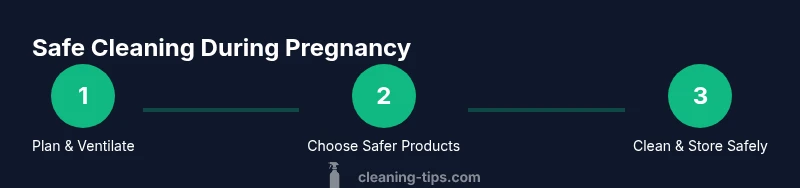
Develop a routine that minimizes exposure: Always ventilate; use gloves; choose one safer product at a time; don't mix products; work from clean to dirty; limit time near fumes; maintain a two-step process: surface cleaning then rinse; keep the room well-ventilated for 10-15 minutes after cleaning; store products in a separate cabinet.
Safe methods for common tasks
- Kitchen counters and cutting boards: wipe with a damp microfiber cloth using a mild soap solution.
- Bathroom surfaces: use a gentle multi-surface cleaner and rinse with plain water.
- Floors: mop with a mild, diluted solution and ensure good ventilation during and after mopping.
- Laundry: wash with fragrance-free detergent and avoid heavy scents or fabric softeners.
- Glass and mirrors: use a simple water and microfiber cloth method to minimize fumes.
What to avoid and why
Avoid mixing cleaners, especially bleach with ammonia, and limit exposure to strong solvents and high-odor products in enclosed spaces. Do not rely on aerosol sprays near your face; minimize use of highly concentrated solvents, and prioritize safer, low-VOC formulas. If you have chemical sensitivities or a high-risk pregnancy, reduce cleaning activity and seek alternatives or help when possible.
When to seek medical advice
If you have a high-risk pregnancy, experience dizziness, headaches, shortness of breath, coughing, or irritation during or after cleaning, stop cleaning and seek medical advice promptly. Keep a log of products used and any symptoms to discuss with your clinician. Always err on the side of caution and prioritize safer, less irritating alternatives.
Tools & Materials
- Gloves (nitrile or latex)(Protect skin and reduce chemical absorption)
- Low-tox or fragrance-free all-purpose cleaner(Look for EPA Safer Choice label or unscented formula)
- Microfiber cloths(Reusable, lint-free surfaces for effective cleaning)
- Ventilation (open window or fan)(Keep air circulating during cleaning)
- Face mask (optional)(Use if sensitive to odors or fumes)
Steps
Estimated time: 45-60 minutes
- 1
Prepare and ventilate the space
Open windows or run a fan before you start to dilute any fumes. Clear clutter to reduce the amount of surfaces you’ll touch, and gather your safer cleaning supplies in one tray for easy access.
Tip: Ventilation reduces inhalation risk; plan for 5–10 minutes of airflow before beginning. - 2
Choose a safer cleaner
Read labels and opt for low-tox, fragrance-free formulas. If in doubt, test a small area first and avoid products that list harsh solvents on the label.
Tip: Check for third-party certifications like Safer Choice. - 3
Protect yourself
Put on gloves and tie back hair; avoid touching your face during cleaning and wash hands after handling cleaners.
Tip: Consider a light mask if you notice strong fumes. - 4
Clean surfaces and rinse
Wipe with a damp cloth using the chosen cleaner, then rinse with plain water to remove any residue. Dry surfaces to prevent streaks and slips.
Tip: Do not leave residue on high-touch areas like kitchen counters. - 5
Store products safely and wash hands
Seal containers, store them out of reach of children, and wash hands thoroughly after cleaning with soap for at least 20 seconds.
Tip: Keep a labeled cupboard for cleaners to prevent accidental contact.
Questions & Answers
Is it safe to use bleach during pregnancy?
Bleach can be used with proper ventilation and dilution, but some healthcare providers advise limiting exposure to strong fumes. Consider safer alternatives when possible.
Bleach is sometimes used if you ventilate well and dilute it properly, but many doctors suggest limiting exposure and preferring safer options.
Can I mix cleaners if I'm cleaning while pregnant?
No. Mixing cleaners can release dangerous fumes. Use only one product at a time and never mix with bleach or ammonia.
Never mix cleaners, especially bleach with ammonia; use one product at a time.
Are homemade cleaners safe for pregnancy?
Diluted, mild homemade solutions like water with a small amount of mild soap are generally safer, but avoid acidic or strong mixtures and never mix with bleach.
Simple homemade cleaners can be safer, just avoid strong mixtures and never mix with bleach.
What products should I avoid entirely during pregnancy?
Avoid products with high concentrations of solvents, strong fumes, and unregulated disinfectants; prefer low-tox options and good ventilation.
Limit strong solvents and high-odor cleaners; choose safer options and keep the space well-ventilated.
Do essential oils pose a risk during pregnancy when cleaning?
Some essential oils may irritate or trigger sensitivities; use sparingly and only if recommended by your clinician.
Some essential oils can irritate; check with your healthcare provider before using them.
What should I do if I feel dizzy or short of breath while cleaning?
Stop cleaning, move to fresh air, and seek medical advice if symptoms persist or worsen.
If you feel dizzy or short of breath, move to fresh air and seek help if it doesn’t improve.
Watch Video
The Essentials
- Choose safer cleaners and ventilate before cleaning
- Wear gloves and avoid mixing products
- Prioritize low-tox, fragrance-free options
- Consult your healthcare provider for personalized guidance