Can You Clean a Litter Box While Pregnant? A Practical Guide
Learn safe, practical steps for cleaning a litter box during pregnancy, including risks, PPE, alternatives, and when to delegate to protect you and your baby.


Yes, you can manage litter box duties during pregnancy, but only with strict safety measures or by having someone else do it. Minimize exposure, use protective gear, and switch to safer routines. When in doubt, consult your OB and adopt alternative options to reduce risk. The Cleaning Tips team emphasizes cautious, hygienic practices to lower infection risks.
Why the Litter Box Safety Matters During Pregnancy
Toxoplasmosis is a real concern when handling cat litter, though most cases arise from contaminated soil or hands that aren’t washed. The risk is small for most pregnancies, but the consequences can be serious, so a cautious approach is wise. According to Cleaning Tips, minimizing exposure and avoiding handling the litter box whenever possible is the simplest defense. If you own a cat and a litter box, you should treat changes as a potential exposure risk and plan accordingly. The goal is to reduce contact with feces and dust, especially during outbreaks or when your immune system is altered by pregnancy. Cleanliness, ventilation, and hand hygiene are the pillars of safety, and the team at Cleaning Tips emphasizes talking with your healthcare provider about your specific situation. You’ll find that the safest path often combines delegated duties, protective gear, and well-timed cleaning, coupled with regular veterinary guidance for your pet.
Key Safety Principles for Cleaning Litter Boxes While Pregnant
Safe handling hinges on a few core ideas. First, avoid cleaning whenever possible by having a partner, family member, or friend take over litter box duties. If you must clean, wear disposable gloves and a mask to limit dust inhalation and skin contact. Work in a well-ventilated area and wash your hands thoroughly with soap and water immediately after disposal. Use a sealed trash bag for disposal and double-bag if needed. Cleaning Tips emphasizes choosing low-dust litter and keeping the box clean with daily scooping to minimize buildup. After cleaning, disinfect nearby surfaces with a mild, non-abrasive cleaner, then sanitize hands again. These steps form a practical, repeatable routine for minimizing exposure while respecting your pregnancy needs.
Should You Clean or Delegate? Making a Plan with Your Healthcare Team
Developing a plan with your obstetrician or midwife is essential. If you have a cat sharing your home, you may be advised to limit litter box duties or avoid them entirely. A common strategy is to assign litter-related tasks to a trusted caregiver and reserve any cleaning for a time when you can isolate yourself from the area. If you choose to clean, communicate a strict schedule that keeps disturbances to a minimum and reduces the frequency of exposure. The goal is to maintain a clean environment for both you and your pet without compromising your safety. The Cleaning Tips team notes that clear, proactive planning helps reduce anxiety and ensures you follow best practices consistently.
Step-By-Step Safe Cleaning Protocol (If You Must)
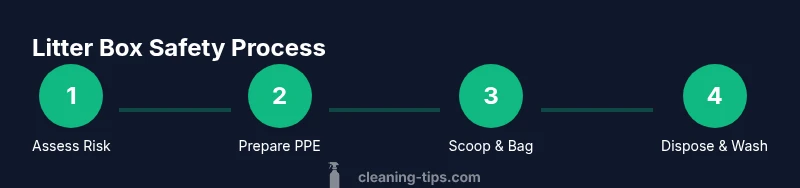
Inevitably, many households will face situations where pregnant owners must step in. The following protocol provides a safe framework to minimize risk while you attend to your cat. It combines protective equipment, proper disposal, and area hygiene in a repeatable routine. When paired with the STEP-BY-STEP section, you’ll have a complete guide to follow in real life.
Tools, Materials, and Best Practices to Reduce Exposure
Choosing the right tools and materials can dramatically reduce your risk. Lightweight, sealable bags, a litter scoop with a covered container, disposable gloves, and a snug-fitting mask can help keep dust and fecal matter away from skin and mucous membranes. Using a litter with low dust and a covered litter box further lowers the likelihood of aerosolized particles. The Cleaning Tips team highlights the importance of hand hygiene before and after any cleaning task, and recommends laundering gloves separately after use.
Practical Alternatives to Minimize Exposure
If you can, set up a system where another household member handles litter box changes entirely. You can still enjoy a clean home by scheduling regular cleanings and keeping the cat on a predictable routine. Consider adding a hooded litter box with a carbon filter to reduce odors and dust, and explore litter boxes with self-cleaning mechanisms. Regular veterinary check-ins help ensure your cat is healthy and less likely to shed parasites. The goal is to balance your pregnancy needs with pet care, creating a safe environment for both.
Common Scenarios and Troubleshooting
If you have multiple cats or special circumstances (e.g., failed delegation or a high-shedding cat), you’ll want a robust plan for cleaning, disinfecting, and monitoring for signs of distress in your pet. Always consult your healthcare provider if you notice symptoms in yourself or changes in your cat’s behavior. The steps and safety measures described here apply in general and should be customized to your household needs. Cleanliness, ventilation, and hygiene are the shared threads that keep you protected while caring for your pet.
wordCount":1260},
toolsMaterialsHeuristic
Tools & Materials
- nitrile disposable gloves(Latex-free to prevent skin irritation; use a new pair for each litter change)
- mask (preferably N95 or equivalent)(Minimize inhalation of dust and aerosols (not a substitute for gloves))
- heavy-duty trash bags(For secure disposal of litter and soiled materials)
- litter scoop with enclosed container(Keeps hands away from waste; choose a scoop with a snug lid)
- mild soap or detergent(For cleaning the litter box surface after disposal)
- disinfectant (bleach solution or approved household cleaner)(Use only as directed; ensure it is safe for use around pets)
- paper towels or microfiber cloths(Drying and surface cleaning; avoid cloths that shed fibers)
- ventilated area or fan(Promotes air circulation while cleaning)
- hand sanitizer (optional)(Used if soap and water are not immediately available)
- covered litter box or enclosure(Reduces dust and odor during change)
Steps
Estimated time: 30-45 minutes
- 1
Decide who will handle litter box changes
Before you begin, decide who will be responsible for litter box changes. If possible, delegate this task to a trusted caregiver or partner to minimize your exposure. If you must participate, schedule the cleaning at a time when you can minimize contact with the litter and ensure good ventilation.
Tip: Clear communication with your household helps keep everyone safe. - 2
Gather PPE and supplies
Put on disposable gloves and a properly fitted mask before approaching the litter. Assemble a sealed trash bag, litter scoop, soap, water, and any disinfectant you plan to use. Keeping everything ready reduces the chance of leaving the area exposed.
Tip: Having everything ready prevents multiple trips to the litter box. - 3
Prepare the area
Open a window or turn on a fan to increase ventilation. Place a protective covering on the floor and remove any items that could be damaged by splashes. If you have a hooded litter box, ensure it is securely closed before starting.
Tip: Ventilation is important to minimize dust exposure. - 4
Scoop and bag the litter
Scoop the litter into a bag, then seal the bag tightly. Avoid stirring the litter vigorously, which can kick up dust. Place the sealed bag into a second bag for extra protection.
Tip: Double-bagging reduces odors and spillage. - 5
Dispose and wash hands
Dispose of the bag in an outdoor trash can if possible. Remove gloves carefully to avoid contamination, then wash hands thoroughly with soap and warm water for at least 20 seconds.
Tip: Always wash hands after handling waste, even with gloves. - 6
Clean the litter box surface
Rinse the litter box with soap and warm water. If using a disinfectant, follow label directions and rinse away any residue before the box is used again. Dry completely before refilling with litter.
Tip: Rinsing prevents chemical residues from irritating you or your pet. - 7
Re-evaluate and maintain
Review your cleaning plan with your healthcare provider to ensure it remains appropriate for your pregnancy. Maintain a routine that minimizes exposure, such as daily scooping and weekly deep cleaning when possible.
Tip: Keep a journal of your cleaning routine to track exposure over time.
Questions & Answers
Is it safe to clean a litter box while pregnant?
It can be safe if you take precautions or delegate the task. The main goal is to minimize exposure to feces and dust by using PPE, maintaining ventilation, and practicing strict hygiene. Always consult your healthcare provider for personalized guidance.
You can clean it with precautions, but it’s best to delegate if possible; follow PPE and hygiene guidelines and check with your doctor.
What is the risk of toxoplasmosis during pregnancy?
Toxoplasmosis can be contracted from cat feces and contaminated soil. While rare, infection can impact pregnancy, so reducing exposure is advised. Use gloves, masks, and good hygiene, and consider alternative care arrangements.
Toxoplasmosis is a potential risk, so minimize exposure and follow safety steps, especially if you have a cat.
Should I wear a mask when cleaning the litter box?
Wearing a mask helps reduce inhalation of dust and potential aerosols. A well-fitted mask, such as an N95, is preferred. Combine with gloves and ventilation for best protection.
Yes, wear a mask to minimize dust exposure alongside gloves and good ventilation.
Can I use a self-cleaning litter box during pregnancy?
Self-cleaning boxes can reduce hands-on time, but still require proper hygiene and ventilation. Ensure the device is maintained, and continue to wash hands after use.
A self-cleaning box can help, but you should still handle it with PPE and maintain cleanliness.
What should I do if I have multiple cats?
More cats mean more potential exposure. Increase cleaning frequency, consider delegating to a caregiver, and ensure separate litter areas if possible. Regular veterinary guidance remains important.
With multiple cats, keep up with frequent cleaning and use protective steps for safety.
Are there safer litter alternatives during pregnancy?
Low-dust or dust-free litter options, as well as hooded boxes, can help reduce exposure. Discuss alternatives with your vet and healthcare provider to choose the best fit for your home.
There are safer litters and boxes you can try; talk to your vet and doctor to select the right option.
Watch Video
The Essentials
- Prioritize delegation to reduce exposure.
- Wear PPE and maintain ventilation when cleaning.
- Use proper disposal and rigorous hand hygiene after handling litter.
- Consider safer litter options and a covered box to minimize dust.
- Consult your healthcare provider for personalized guidance.