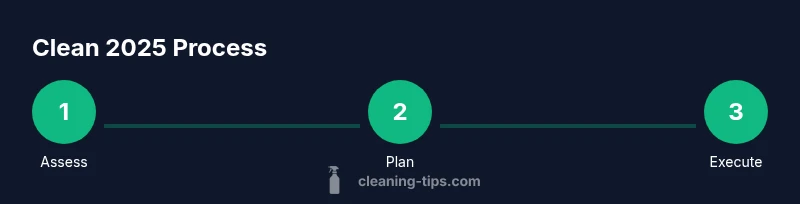
Clean 2025: A Step-by-Step Home Cleaning Plan
Learn a practical, eco-friendly approach to cleaning in 2025 with a step-by-step plan, checklists, and expert tips from Cleaning Tips to keep your home healthier.


You can master a healthier, cleaner home in 2025 by following a structured, eco-friendly cleaning routine. Start with a 15-minute daily wipe-down, a 60-minute weekly deep clean, and a monthly appliance maintenance sweep. This guide from Cleaning Tips offers practical steps, recommended tools, and safety tips to keep your home sparkling and safe.
Why Clean 2025 needs a system
In 2025, a systematic approach to cleaning isn't a luxury—it's a necessity for healthier living. The Cleaning Tips team emphasizes that a predictable schedule reduces clutter, lowers allergy triggers, and minimizes the spread of germs. By adopting a formal plan, you can allocate time efficiently, track progress, and maintain your home without feeling overwhelmed. According to Cleaning Tips, a well-structured routine also supports mental clarity and satisfaction, turning cleaning from a chore into a small daily win that compounds over weeks and months.
Core principles of a modern cleaning plan
A modern plan rests on consistency, safety, and sustainability. Prioritize zones to avoid cross-contamination and use color-coded cloths for kitchens, bathrooms, and living areas. Choose non-toxic cleaners or simple, effective DIY mixtures like vinegar and baking soda for many tasks. Document your routine so family members can contribute; consistency matters more than intensity, and small daily actions add up to big results over a season. The Cleaning Tips analysis highlights how habit formation quietly reshapes a home over time, reinforcing healthy cleaning as a daily mindset.
Eco-friendly strategies for a healthier home
Eco-friendly cleaning focuses on reducing chemical exposure while still achieving great results. Start by replacing harsher cleaners with safe, plant-based options or simple DIY blends like baking soda and vinegar for multiple surfaces. Use microfiber cloths to cut down on disposable wipes and extend their life with gentle washing. Support air quality by opening windows during cleaning and using low-VOC products. Cleaning Tips recommends batching tasks and storing products in clearly labeled, child-safe cabinets to minimize accidental exposure.
Daily, weekly, and monthly routines explained
A practical plan divides tasks into daily, weekly, and monthly buckets to prevent overwhelm. Daily routines could include a brief 5–10 minute wipe-down of high-touch surfaces and tidying entryways. Weekly tasks typically cover bathrooms, kitchen sinks, and vacuuming carpets or floors. Monthly deep-cleans target appliances, ovens, and the range hood, plus a more thorough dusting of hard-to-reach surfaces. By sticking to these cadences, you’ll notice improvements in cleanliness, air quality, and overall comfort. Cleaning Tips notes that consistency beats intensity every time.
Tools, products, and storage tips
Organize a compact, functional cleaning toolkit to avoid bottlenecks. Essential items include a reusable spray bottle, microfiber cloths (color-coded for zones), baking soda, white vinegar, a versatile cleaner, a bucket, sponges, and a sturdy broom or vacuum. Store products in a labeled cabinet and keep a small caddy in each major room for quick tasks. Color-coding and minimal, purpose-built products reduce waste and simplify routines. The Cleaning Tips team emphasizes a tidy toolkit as the backbone of any sustainable cleaning system.
Data-driven improvements and progress tracking
Treat your cleaning routine like a small project with measurable goals. Track time spent, tasks completed, and the cleanliness level you observe in each room. Use simple checklists and monthly reviews to adjust the plan, shifting more time to areas that need extra attention. Maintaining a journal or digital checklist helps you see progress, celebrate wins, and stay motivated. Cleaning Tips suggests using light metrics (time spent vs. goals achieved) to keep momentum high without feeling overwhelmed.
Implementation blueprint: room-by-room example
Start with a living area that blends into the dining space, applying a light daily wipe-down and a deeper weekly refresh. Move to the kitchen, focusing on surfaces, appliances, and ventilation every week. In bathrooms, target grime build-up with targeted scrubbing and deodorizing routines. Finally, address bedrooms and entryways with dusting and laundry cycles. A room-by-room plan keeps tasks manageable and invites family involvement; per Cleaning Tips, clarity and consistency beat sporadic scrubbing.
Safety, maintenance, and troubleshooting
Never mix cleaners that contain ammonia with bleach, and ensure good ventilation during cleaning sessions. Keep cleaners out of reach of children and pets, using spray bottles with clear labels. Periodically inspect tools for wear and replace pads, bristles, and brushes to prevent scratches or streaks. If an area looks dull or sticky, revisit the corresponding step in your schedule and adjust to your environment. Following these precautions protects both your home and your health.
Tools & Materials
- All-purpose cleaner(Choose a safe, non-toxic formula if possible)
- Microfiber cloths(Lint-free; color-coded by room)
- Sponges(Non-scratch for delicate surfaces)
- Bucket(Medium size, with handle)
- Gloves(Protect hands from moisture and cleaners)
- Baking soda(Deodorizing and mild scrubbing)
- White vinegar(Disinfecting and neutralizing odors)
- Toilet brush(Sturdy handle, replaceable head)
- Reusable spray bottles(Labelled for zones)
- Trash bags(Medium-size for quick decluttering)
- Duster (extendable)(Reach ceiling corners)
Steps
Estimated time: 3 hours 30 minutes
- 1
Assess space and plan
Survey each room and map tasks to daily/weekly/monthly cadence. Note high-traffic areas and surfaces needing extra attention. Create a zone-based plan that minimizes backtracking.
Tip: Write down goals for each room to stay focused. - 2
Declutter surfaces and organize
Clear counters, remove debris, and create a tidy baseline before cleaning. Put items back in their homes to reduce future clutter.
Tip: Declutter one zone at a time for efficiency. - 3
Dust and wipe high surfaces
Dust from top to bottom, then wipe with microfiber to trap dust. Pay attention to shelves, corners, and electronics if applicable.
Tip: Dust before wiping to avoid reworking dust. - 4
Clean floors (hard surfaces)
Sweep or vacuum first, then mop with an appropriate cleaner. Allow floors to dry completely before foot traffic returns.
Tip: Work in small sections to ensure even cleaning. - 5
Tackle bathrooms and kitchens
Scrub sinks, toilets, and counters; focus on grout lines if present. Clean appliances, range hood, and vents for better air quality.
Tip: Use separate cloths for kitchen and bathroom zones. - 6
Deep-clean appliances and ranges
Run prerinse cycles on dishwashers if applicable; wipe inside ovens and fridge shelves. Check caulking and seals for wear.
Tip: Schedule a deep clean for appliances on a monthly calendar. - 7
Maintenance and monitoring
Finish with a final surface wipe and a quick overall scan. Note any issues and adjust the plan as needed for next month.
Tip: Keep a small maintenance log for repeat issues. - 8
Review and adjust cadence
Assess what worked well and where you struggled. Rebalance daily/weekly tasks to fit your routine and space.
Tip: Involve family members to share the load.
Questions & Answers
What is the Clean 2025 cleaning framework?
Clean 2025 is a practical, eco-friendly plan to standardize cleaning tasks across your home. It emphasizes routine, safety, and sustainability with room-by-room guidance.
Clean 2025 is a practical, eco-friendly plan that standardizes cleaning tasks across your home.
Do I need to buy new products for this plan?
No - start with basic, safe cleaners and re-use household products. You can replace harsher cleaners with safer options over time while maintaining effectiveness.
No new products are strictly required; start with basics and swap for eco-friendly options as you go.
How long does it take to implement the plan in a typical home?
An initial setup and first round of tasks can take a few hours, with ongoing maintenance taking shorter daily and weekly blocks.
The initial setup may take a few hours; ongoing tasks fit into daily and weekly blocks.
Is this plan suitable for pet owners and families with kids?
Yes, when choosing non-toxic products, proper ventilation, and keeping cleaners out of reach of children and pets. Safety is built into the routine.
Yes, with non-toxic products and safe storage, the plan works for families and pets.
How should I adjust for small living spaces or shared housing?
Focus on high-traffic areas and space-saving tools; adopt quick daily wipes and compact storage solutions to maximize efficiency.
In small spaces, prioritize high-traffic areas and use compact storage.
What maintenance schedule should I follow after the initial deep clean?
Continue a cadence of daily, weekly, and monthly tasks and review quarterly to adjust as your space or routines change.
Maintain a cadence with daily, weekly, and monthly tasks and adjust as needed.
Watch Video
The Essentials
- Plan first, then clean with intent.
- Eco-friendly products reduce exposure and waste.
- Consistency beats intensity every time.
- Track progress to stay motivated.