Clean and Move: A Practical Relocation Cleaning Guide
Learn how to clean and move efficiently with a step-by-step plan, eco-friendly methods, and safety tips to keep your relocation smooth and stress-free.


With this guide you will clean and move efficiently by planning a room-by-room cleaning plan, decluttering first, gathering the right supplies, and coordinating with movers. You’ll finish faster, reduce moving-day stress, and create a healthier home environment for your new space. The approach blends practical cleaning tips with simple packing workflows for relocation success.
Why clean and move matters
Moving is one of life's biggest projects, but a deliberate clean-and-move approach can dramatically cut stress and post-move chores. Cleaning before you pack helps protect floors, reduces dust exposure during transit, and makes your new home feel ready to settle into. According to Cleaning Tips, planning the sequence of cleaning alongside packing milestones keeps momentum high and avoids last-minute scrambles. By focusing on healthful, efficient methods, you create a healthier living space from day one in the new home. The goal is to set a practical rhythm: clean what you touch most, preserve fragile belongings, and leave behind a refreshed environment for the next occupants.
Pre-move planning and decluttering
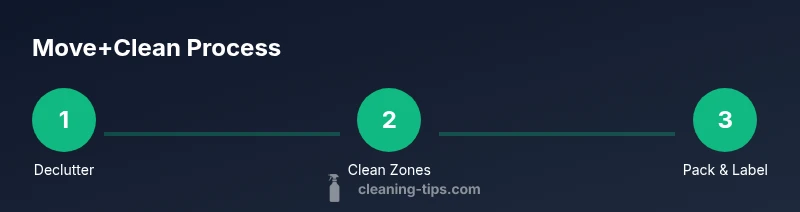
The backbone of a successful clean-and-move is planning. Start with a practical inventory: list rooms, high-use items, and fragile belongings. Create three piles: keep, donate/sell, and discard. Decluttering reduces the volume you must clean and move, speeds up packing, and lowers transport costs. Schedule a donation pickup or drop-off window and set a moving-day cleaning timeline that aligns with the packing milestones. This stage also helps you decide which cleaners and packing materials you’ll actually need, preventing waste and saving money over the long run.
Room-by-room cleaning strategy
Adopt a room-by-room approach rather than cleaning randomly. Begin with rooms you’ll use last in the move, then finish with the areas you’ll enter first at the new place. Tidy corners, wipe surfaces, remove dust from vents, and vacuum floors thoroughly. Prioritize high-traffic zones—kitchen, bathrooms, and entryways—where dirt accumulates quickly. Keep a running checklist and photograph items before packing to ensure nothing gets left behind. The goal is consistent progress, not perfection in every corner.
Deep-clean zones first: kitchen and bathrooms
Deep-cleaning the kitchen and bathrooms early yields the biggest payoff on moving day. Wipe countertops, clean stovetops and ovens, descale faucets, and scrub grout where needed. Disinfect high-touch surfaces like doorknobs and light switches. Don’t forget appliances: run the dishwasher empty with a cleaning agent, and wipe the interior of the fridge and microwave. A clean, sanitized base in these zones makes unpacking easier and reduces odors during transit.
Eco-friendly cleaning methods for move
Eco-friendly methods can be highly effective for relocation cleaning. Use vinegar and water for glass and chrome, baking soda for scouring, and microfiber cloths to minimize chemical use. Avoid mixing ammonia with bleach and ventilate the space during cleaning. If you prefer commercial products, choose EPA Safer Choice–certified cleaners and rotate between natural and approved products to protect surfaces. These approaches reduce chemical exposure and support a healthier home environment.
Packing while cleaning: efficiency tips
As you finish each room, pack items immediately in clearly labeled boxes. Use color-coded tapes or labels to indicate room destination and fragility. Pack systematically: break down large items, wrap delicate pieces, and protect edges with towels or bubble wrap. Cleaning as you go prevents re-dirtification and saves time later. Maintain a clean working zone by having a dedicated washable bag for soiled rags and a separate bag for trash.
Safety and handling during a move
Wear gloves and a mask when dealing with dusty areas or strong cleaners. Use proper lifting techniques to avoid back injuries, and keep pathways clear to prevent trips. Store hazardous materials away from kids and pets, and never mix cleaners in an open container. If you’re using a moving company, confirm which cleaning tasks you expect them to handle and avoid going beyond what’s safe for their team. Safety should always be the top priority during relocation cleaning.
Time management and movers coordination
Coordinate cleaning and packing times with your moving window. Build a realistic timeline that accounts for breaks and weather delays. Share a simple, color-coded plan with your movers so they know which areas will be cleaner and which boxes are ready for loading. Having everyone aligned minimizes downtime and ensures a smoother moving day. Remember, a well-timed clean reduces stress and helps you settle into your new home faster.
Authoritative sources
To ground these practices in proven guidance, consult reputable sources on household cleaning and safe products. Use EPA Safer Choice when selecting cleaners, and review CDC guidance on cleaning and disinfection for homes, especially in shared spaces. For extended guidance, university extension resources (e.g., UMN Extension on household cleaning) provide practical, research-backed tips that you can adapt to a relocation context.
How to build a post-move clean plan
After you move, conduct a quick refresher pass: vacuum, wipe down surfaces, and reassess high-use areas for any missed spots. Keep a small kit handy for quick touch-ups during the first week in the new home. This final step helps you maintain a clean, healthy environment and accelerates your adjustment to the new space.
Tools & Materials
- All-purpose cleaner(Choose a biodegradable option for eco-friendliness and safety around kids/pets.)
- Disinfecting wipes(Use on high-touch surfaces like door knobs and light switches.)
- Glass cleaner(Streak-free formula for mirrors and windows.)
- Degreaser(Optional for oven hoods and stovetops.)
- Bathroom cleaner(Take on sinks, tubs, and toilets.)
- Floor cleaner(Choose a product compatible with your flooring type.)
- Sponges & microfiber cloths(For all surfaces; use separate cloths for kitchen and bath.)
- Mop, bucket, and mop pads(Keep a spare set for quick changes during cleaning.)
- Broom and dustpan(Essential for sweeping before mopping.)
- Vacuum cleaner with attachments(Includes crevice tool for hard-to-reach dust.)
- Rubber gloves(Protect hands from cleaners and grime.)
- Mask or respirator (optional)(Use in dusty environments or when using strong cleaners.)
Steps
Estimated time: 4-6 hours
- 1
Declutter and inventory
Take 15-30 minutes per room to sort items into keep, donate/sell, and discard. Create a master list of items to clean and move, noting fragile belongings and items that require special handling. This reduces the total load and simplifies planning for cleaning, packing, and transport.
Tip: Tackle one room at a time and keep sorting bins clearly labeled. - 2
Gather cleaning supplies and packing materials
Collect all cleaning products and packing materials before you start. Check expiration dates and ensure you have enough boxes, tape, and protective wrap. This minimizes mid-task trips to the store and keeps your momentum intact.
Tip: Pre-label spray bottles and box lids to speed up the process. - 3
Clean high-traffic zones first
Begin with the kitchen and bathrooms, then move to entryways and living spaces. Wipe surfaces, disinfect high-touch areas, and remove grime from floors. Cleaning these zones first makes unpacking and moving logistics easier and improves air quality in your new space.
Tip: Open windows to ventilate while you clean and sanitize. - 4
Clean other rooms in move order
Proceed room by room in the order you plan to access them after the move. Vacuum, dust, wipe shelves, and remove any leftover dirt. Keeping a steady pace prevents fatigue and ensures no area is forgotten.
Tip: Maintain a consistent rhythm to avoid re-cleaning later. - 5
Pack while you clean
As you finish a room, pack the items, label the boxes with room destination and contents, and place fragile items in protective wrap. This dual approach reduces after-move reorganizing and minimizes dirt transfer during loading.
Tip: Use color-coded labels for quick triage by movers. - 6
Final check and touch-ups
Do a quick walkthrough to catch missed spots, wipe down any surfaces that collected dust, and ensure all pathways are clear for movers. This final pass helps you start in the new home with confidence and reduces post-move cleaning time.
Tip: Keep a small kit handy for immediate touch-ups in the new space.
Questions & Answers
What does clean and move mean in practice?
Clean and move means coordinating cleaning tasks with packing so you minimize dirt, save time, and reduce stress during relocation. It focuses on decluttering first, cleaning high-traffic areas, and packing items as you finish each space.
Clean and move means cleaning as you pack so your move is smoother and less messy.
When should I start cleaning before moving?
Begin planning cleaning a few weeks before moving day. Start with decluttering and then tackle rooms in order of use, finishing with the spaces you’ll occupy first in the new home.
Start early, and work room by room, so you’re not rushing on moving day.
Are eco-friendly cleaners effective for relocation cleaning?
Yes. Eco-friendly cleaners can be highly effective when used properly. Combine natural products like vinegar and baking soda with microfiber cloths and minimum chemical cleaners for tougher spots.
Eco cleaners can work well when you use them correctly and don’t overdo it.
How can I protect fragile items while cleaning and moving?
Wrap fragile items in bubble wrap or towels, use proper packing materials, and place them in designated boxes. Label fragile boxes and keep them separate from heavier items.
Wrap delicate items well and clearly label them to prevent damage.
Do I need to deep clean after moving into a new home?
A light post-move clean is often enough, but consider a deep clean if you notice dirt, odors, or remaining dust, especially in kitchens and bathrooms. A quick check helps maintain a fresh start.
A post-move clean is a good idea if you notice any dirt or lingering smells.
How should I coordinate with movers about cleaning tasks?
Discuss which areas you want cleaned before loading and which tasks you expect the movers to handle. Share a simple list with room-by-room status to avoid miscommunication.
Talk with your movers about cleaning tasks so everyone knows what to do.
Watch Video
The Essentials
- Plan and declutter before cleaning to reduce workload
- Prioritize kitchen and bathrooms for deep cleaning
- Pack items as you clean to save time
- Use eco-friendly products to protect health and the environment
- Coordinate with movers to minimize downtime and stress