How to Move Out Clean: The Complete Guide
Learn how to move out clean with a comprehensive, room-by-room checklist, practical time-saving plan, and pro tips to secure your deposit and leave the space tenancy-ready.


Goal: move out clean with minimal stress and a full deposit refund. This quick guide shows you how to plan a room-by-room clean, assemble essentials, and finish fast with a proven sprint schedule. You’ll learn exactly what to clean, in what order, and how to verify every area is spotless before handing over the keys.
Why move-out cleaning matters
Moving out clean is more than just tidying up; it sets the tone for a smooth handover and can influence whether you recover your full deposit. According to Cleaning Tips, a well-planned move-out clean reduces disputes and helps landlords assess the space accurately. A thorough clean signals responsibility and respect for your former home, which can translate into a faster inspection and fewer requests for compensation. This section explains why a move-out clean matters and how to structure your approach so you’re not scrambling at the last minute. Landlords often focus on floors, appliances, bathrooms, and visible surfaces, so prioritizing these areas early helps you stay on track while keeping your schedule realistic.
Room-by-room cleaning checklist
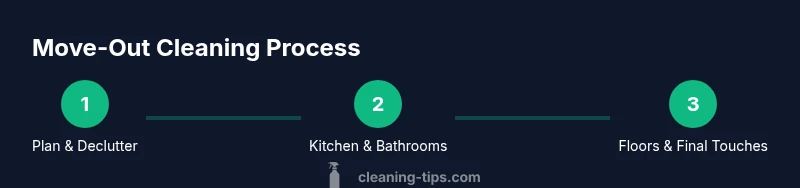
A successful move-out clean follows a room-by-room approach. Start with the kitchen and bathrooms, where grime tends to accumulate, then move to living areas, bedrooms, and entryways. Use a two-bucket method (one for soapy water, one for rinse) on surfaces that pick up dirt quickly. Gather your cleaning supplies and designate color-coded cloths for different surfaces to avoid cross-contamination.
- Kitchen: wipe counters and cabinets, clean the sink, wipe the outside of appliances, clean the interior of the microwave, range hood exterior, and a quick wipe of the oven exterior.
- Bathrooms: sanitize the toilet, scrub the tub/shower, wipe the sink and vanity, clean mirrors, and wipe tiles and grout where needed.
- Living areas: dust all surfaces, wipe down baseboards, clean light fixtures, and vacuum carpets or mop hard floors.
- Bedrooms: remove dust from shelves and dressers, wipe windowsills, vacuum or sweep, and clear out closet floors.
- Floors and windows: vacuum all carpets, sweep and mop hard floors, wash interior windows and wipe sills where accessible.
Tip: work top-to-bottom and left-to-right in each room to create a repeatable rhythm. If you’re sharing the space, coordinate with roommates to avoid re-dirtying cleaned areas before inspection.
Deep-cleaning priorities for carpets and upholstery
Carpets and upholstered furnishings commonly cede deposits if not cleaned. Begin with a thorough vacuum, ideally with a HEPA filter. Pre-treat stains with a mild, color-safe stain remover and blot rather than rub to avoid spreading. If you can access steam cleaning, use it on high-traffic areas; otherwise, rent or hire a steam-cleaning service for an extra-durable refresh. For upholstery, vacuum first, then spot-clean cushions and fabric seats. This reduces dirt resettling during your move-out and supports a deposit-friendly handover.
A practical sprint plan for move-out day
The move-out clean benefits from a time-boxed plan. Break the day into focused sprints with short breaks to maintain energy. A typical plan: load cleaning supplies (15 minutes), kitchen clean (45–60 minutes), bathrooms (40–60 minutes), living areas and bedrooms (60–90 minutes), floors (45–60 minutes), windows and fixtures (30–40 minutes), final touch-ups and trash removal (30–45 minutes). Quick pre-scan checks help you catch missed spots before the landlord inspection.
Cleaning supplies and eco-friendly options
Stock up on core tools: all-purpose cleaner, glass cleaner, disinfectant (where permitted by lease), microfiber cloths, sponges, brushes, a vacuum, a mop and bucket, trash bags, gloves, and lint-free towels. For an eco-friendly approach, swap conventional products for plant-based cleaners and use baking soda and white vinegar for odor control. Always test on a hidden area to confirm compatibility with surfaces.
Documenting the space and final walkthrough
Before handing over keys, photograph every cleaned area from multiple angles to document the state of the space. Keep receipts for any cleaners or services you used and note dates and times of cleaning. Share a summary with the landlord, highlighting completed tasks and any agreed-upon exceptions. Clear documentation reduces ambiguity, speeds up the final walkthrough, and provides evidence if questions arise later.
Handling stubborn stains and odors
Tackle stubborn stains with targeted spot treatment and avoid over-wetting fabrics. For odors, a combination of ventilation, baking soda, and fresh air can make a noticeable difference. If odors persist in carpets, consider a professional steam clean. Avoid mixing cleaning agents—bleach with ammonia or other incompatible products can create hazardous fumes.
Final checks before handover
Walk through each room with your checklist, verify that doors and windows close properly, and ensure all fixtures are clean. Remove all trash, return any borrowed items, and leave the space as described in your lease. If you anticipate a dispute, request a final pre-inspection with your landlord to address concerns ahead of the official handover. Cleaning Tips also emphasizes documenting your final state to support your claim for a full deposit return.
AUTHORITY SOURCES
- CDC: Cleaning and disinfecting guidelines for homes during illness outbreaks: https://www.cdc.gov/coronavirus/2019-ncov/community/home/cleaning-disinfection.html
- EPA: Indoor air quality and cleaning guidance: https://www.epa.gov/indoor-air-quality
- OSHA: General safety guidance for cleaning workplaces and reducing hazards: https://www.osha.gov
Tools & Materials
- All-purpose cleaner(Choose a non-toxic option if possible)
- Glass cleaner(For mirrors and windows)
- Disinfectant wipes(Great for quick sanitizing of high-touch surfaces)
- Vacuum cleaner (HEPA preferred)(For carpets and hard floors)
- Mop and bucket(Microfiber mops work well on wood and tile)
- Microfiber cloths (assorted colors)(Color-code by room to avoid cross-contamination)
- Sponges and scouring pads(Non-scratch pads for delicate surfaces)
- Broom and dustpan(For hard floors and corners)
- Trash bags (various sizes)(Have extras for recycling and trash)
- Gloves (disposable or reusable)(Protect hands during deep cleaning)
- Scrub brushes(For grout and stubborn grime)
- Vent and hood cleaning cloths(Specialized for kitchen vents)
- Stain remover or degreaser(Use sparingly on delicate fabrics)
Steps
Estimated time: Estimated total time: 4-6 hours
- 1
Declutter and inventory
Clear out rooms, set aside items to take, donate, or discard. Create a room-by-room inventory to guide the cleaning effort and to serve as a reference during the landlord handover. This step prevents last-minute confusion and ensures you don’t overlook hidden corners.
Tip: Create a simple checklist and photograph each room before you start so you can track progress. - 2
Gather cleaning supplies and organize
Collect all essential tools and place them in a dedicated cleaning caddy. Label cloths by color and place them in a bag or basket to keep them ready for each room. Accessibility saves time and keeps you focused.
Tip: Test a small hidden area to ensure cleaners won’t damage surfaces. - 3
Clean the kitchen first
Wipe counters, cabinets, and the exterior of appliances. Clean the sink and faucet, then clean the interior of the microwave and oven exterior. Remove food residues from the fridge shelves if accessible.
Tip: Do not overload the sink; work in zones to avoid re-dirtying cleaned areas. - 4
Tackle bathrooms thoroughly
Sanitize the toilet, scrub the tub/shower, wipe the vanity, and clean mirrors. Check grout lines and re-caulk if needed. Ensure ventilation areas are free of mold or damp spots.
Tip: Always vent cleaning products away from your face and avoid mixing cleaners. - 5
Clean living spaces and bedrooms
Dust surfaces, wipe down shelves and baseboards, and remove clutter. Vacuum upholstery and floors; wash window sills where accessible. Move light furniture to clean behind it.
Tip: Dust from top to bottom to prevent re-dirtying already cleaned areas. - 6
Address floors and windows
Vacuum carpets thoroughly, then mop hard floors in the correct sequence. Clean interior windows, frames, and sills. Wipe door frames and handles to remove fingerprints.
Tip: For hardwood, use a damp microfiber cloth rather than soaking the floor. - 7
Finish with fixtures and odors
Wipe light fixtures, switch plates, and door handles. Ventilate the space; use baking soda to neutralize odors in bins and closets. If odors persist in carpets, consider a professional steam clean.
Tip: Open windows to air out the space during the last 20 minutes. - 8
Final walk-through and handover prep
Do a final room-by-room check against your inventory. Remove all trash, return borrowed items, and ensure all keys and access devices are accounted for. Take a final set of photos and prepare a brief summary for your landlord.
Tip: If feasible, request a quick pre-inspection with the landlord to confirm you’re on the same page.
Questions & Answers
What is considered a move-out clean?
A move-out clean is a thorough, landlord-ready cleaning of the entire space, focusing on kitchens, bathrooms, floors, and fixtures. It should meet the lease’s standards and leave the space in a presentable condition for inspection.
A move-out clean means a thorough, landlord-ready cleaning of the space, focusing on key areas like kitchens, bathrooms, and floors.
How long does move-out cleaning take?
Time varies with home size and condition, but plan for several hours to a full day. Create a realistic schedule and stick to it to avoid last-minute rushes.
The time depends on your space, but set aside several hours to a full day and follow a plan.
Should I hire a professional cleaner for move-out?
If you’re short on time or dealing with stubborn stains, a professional can help ensure a deposit return. Check your lease for any required standards and get written confirmation of the scope.
If time is short or there are tough stains, a professional can help ensure you get your deposit back.
What about carpet cleaning?
Carpets typically require thorough vacuuming and, in many cases, steam cleaning. Check your lease for carpet-cleaning requirements and consider a professional service if allowed.
Carpets often need vacuuming and sometimes steam cleaning; verify what your lease requires.
What should I do with items I can't clean?
If something can’t be cleaned to the landlord’s standard, discuss replacement or removal with the landlord and document any agreed actions in writing.
If you can’t clean something to standard, talk to your landlord about options and keep a written record.
How do I document move-out cleanliness?
Take dated photos from multiple angles, keep a cleaning log, and retain receipts for cleaning services. Share a concise summary with the landlord during handover.
Take dated photos from multiple angles and keep receipts to document your work.
Watch Video
The Essentials
- Plan a room-by-room cleaning schedule
- Time-box tasks to prevent overwhelm
- Document cleanliness with photos and receipts
- Leave the space landlord-ready to maximize deposit return