Clean Detox: A Step-by-Step Guide for a Healthier Home
Learn how to reduce toxins in your cleaning routine with a practical clean detox plan. This guide covers planning, DIY recipes, safety tips, and maintenance for a healthier home.


A clean detox helps you progressively replace toxic cleaners with safer, natural options to reduce indoor pollutants and protect family health. This guide outlines a practical, room-by-room plan, beginner DIY recipes, and maintenance tips to keep your home consistently low-toxicity without sacrificing cleanliness.
Why a Clean Detox Matters
A clean detox means reducing reliance on conventional, chemical-heavy cleaners and embracing safer, low-toxicity alternatives. For many households, this shift instantly reduces indoor pollutants and minimizes skin, eye, and respiratory irritations. The Cleaning Tips team notes that a gradual detox approach is more sustainable than a sudden purge, especially for families with young children or pets. According to Cleaning Tips, many homes experience noticeable improvements in air quality and overall cleanliness when they replace harsh products with thoughtful, natural options. By focusing on safer ingredients and better cleaning habits, you can maintain a healthier home without sacrificing performance.
A detox plan isn't about stripping away effectiveness; it's about choosing tools that work with your surfaces while supporting health. Start by recognizing common toxin sources—permitted fragrances, solvents, and chlorine-based cleaners. These products can leave residues on countertops, in the air, and on fabrics, contributing to chronic exposure for household members. A well-designed clean detox reduces these exposures, minimizes persistent odors, and keeps surfaces bright with fewer harsh chemicals. This shift aligns with broader eco-friendly goals and can simplify shopping by narrowing choices to safer, versatile products. As you embark on your detox, remember that consistency matters more than perfection. Small, repeatable steps compound into lasting health benefits for your home.
According to Cleaning Tips, embracing a steady, thoughtful approach makes safer cleaning habits stick, especially when you involve all household members in the process.
What Counts as Toxins in Cleaning
Not all cleaners are equally risky, but many products share troubling ingredients. VOCs (volatile organic compounds) from aerosols and solvents can linger in the air after cleaning, especially in poorly ventilated spaces. Ammonia and chlorine bleach vapors irritate eyes and lungs; mixing these two is hazardous. Fragrances, dyes, and preservatives can trigger allergies or sensitivities, even at low concentrations. These factors matter whether you’re cleaning a kitchen, bathroom, or living area. The goal of a clean detox is to minimize exposure by selecting simple, transparent ingredients and avoiding unknown formulations.
Safer choices include plain white vinegar, baking soda, and unscented castile soap. These staples are versatile for many tasks: descaling mineral buildup, deodorizing surfaces, and cutting grease. Lemon juice adds natural acidity for tough stains, while essential oils offer fragrance and potential antimicrobial benefits when used sparingly and on appropriate surfaces. Remember that even natural ingredients can be potent; test on a small area first and follow surface guidelines. A well-executed detox hinges on understanding what’s in your products and how they interact with your home environment, rather than chasing aggressive claims in flashy packaging.
Planning Your Clean Detox
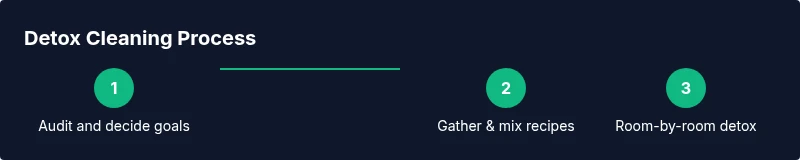
Effective detox starts with a clear plan. Begin with a quick inventory of every cleaner you own and note the active ingredients. Decide your detox goals: which rooms to tackle first, acceptable substitutions, and a realistic timeline. Based on Cleaning Tips research, households that set concrete targets and maintain a simple replacement list tend to stay on track longer. Create a replacements map: for every toxic product, choose a safe substitute and collect it in a dedicated caddy.
Next, establish a simple labeling system, so family members know what to use where. Decide whether to adopt a 'one cleaner, multiple uses' mindset or keep separate tools for different tasks. Both approaches save space and reduce clutter. Consider your surfaces; wood, stone, and metal have different needs, so test cleaners on inconspicuous areas before full use. Finally, schedule a 30-minute weekly detox review to add new products, adjust recipes, and celebrate small wins. A plan keeps momentum, reduces decision fatigue, and makes the detox sustainable over months and seasons.
A thoughtful plan also reduces the cognitive load of choosing products every time you clean, which helps you stay on track even during busy weeks. The Cleaning Tips team emphasizes that small, consistent changes compound into meaningful health benefits over time.
DIY Substitutes and Safe Products
DIY substitutes are the backbone of a clean detox. A few well-chosen ingredients replace the majority of household cleaners. All-purpose cleaner: mix 1 cup water, 1/2 cup white vinegar, 1/2 teaspoon castile soap, and optional lemon juice or essential oils. Use on countertops, tiles, and glass after a quick surface test. Glass cleaner can be made from 2 cups water and 1/2 cup white vinegar with a few drops of essential oil for scent.
For bathroom surfaces and sinks, a baking soda paste (baking soda with a little water) works wonders on mineral deposits, soap scum, and grime. Use a paste on porcelain and enamel, then rinse thoroughly. An alternative scent option is to add 2-3 drops of a kid/pet-safe essential oil blend. Important safety note: never mix bleach with ammonia or products that contain ammonia, as this creates hazardous vapors. Always perform a small patch test to ensure compatibility with finishes and avoid damage. Storing DIY cleaners in clearly labeled, UV-protected bottles helps maintain effectiveness and safety over time.
These substitutions reduce exposure to harsh solvents while delivering solid cleaning performance. Over time, you’ll build confidence in your recipes and notice a cleaner, more inviting home atmosphere.
Detox Routines: Kitchen, Bathroom, Living Areas
A successful detox is practical, not theoretical. Start with the kitchen: swap conventional degreasing sprays for your all-purpose cleaner and wipe down counters, sink rims, and appliances with a microfiber cloth. In the bathroom, use the baking soda paste for grout and tiles, followed by a rinse with plain water. For living areas, test fresh scents with essential oils rather than heavy perfumes. Keep surfaces clean with minimal synthetic additives and maintain good ventilation. In all rooms, replace synthetic air fresheners with natural options like citrus peels, simmer pots, or essential oil diffusers used in moderation.
Detail your weekly routine: 1) Tidy and inventory cleaners, 2) Refill and label bottles, 3) Clean one room fully, 4) Reassess results, 5) Reorder safe ingredients. This approach minimizes confusion, reduces clutter, and makes the detox easy to sustain. Remember to document results: note any changes in surface appearances, smells, or perceived air quality. As you progress, you’ll notice cleaner surfaces, less chemical odor, and a healthier environment for family members. The Cleaning Tips team encourages readers to keep refining their detox to suit their home and lifestyle.
Maintenance, Safety, and Next Steps
Detox cleaning isn’t a one-time event; it’s a long-term habit. Maintain a master list of products, review ingredients quarterly, and replace outdated items. Prioritize safety: keep bottles out of reach of children and pets, ventilate during cleaning, and store products away from heat. If you encounter stubborn stains, rely on tested DIY recipes rather than switching to harsher products. Plan a seasonal detox refresh, as indoor air quality can change with the weather and usage patterns. By building routines and staying curious about safer ingredients, your home remains healthier and easier to maintain. The Cleaning Tips team recommends committing to ongoing education about safer formulations, especially as brands reformulate products and new, safer options enter the market.
Tools & Materials
- white vinegar (5-6% acidity)(Use diluted for most surfaces; avoid natural stone without testing)
- baking soda(Powder; good for abrasives and deodorizing)
- unscented castile soap(Liquid soap; replace harsh detergents with mild, natural base)
- lemon juice(Natural acid; boosts cleaning power and scent)
- essential oils (kid/pet-safe)(Use sparingly; avoid on sensitive surfaces)
- microfiber cloths(Multiple colors; designate for different areas)
- spray bottles (16 oz or 32 oz)(Label clearly; keep separate cleaners organized)
- gloves(Protect skin during DIY cleaning tasks)
- measuring spoons/cups(Accurate ratios for recipes)
Steps
Estimated time: 60-120 minutes
- 1
Audit current cleaners
Take stock of every cleaner in the home and note active ingredients. Identify products with harsh solvents, fragrances, or dyes that you want to replace first.
Tip: Create a quick inventory sheet and circle items to retire this week. - 2
Gather and organize replacements
Collect DIY ingredients and ready-made safer products in a designated caddy. Label bottles and group by room to simplify workflows.
Tip: Use color-coded labels to prevent cross-contamination. - 3
Remove old cleaners safely
Dispose of toxic products following local guidelines. Recycle containers where possible and wipe down shelves to remove residue.
Tip: Keep a bag ready for hazardous waste disposal in your area. - 4
Mix core DIY cleaners
Prepare your all-purpose cleaner, glass cleaner, and bathroom paste using the standard ratios. Test on inconspicuous surfaces before wide use.
Tip: Label each bottle with date mixed and surface guidance. - 5
Test and adjust per surface
Apply cleaners on a small patch; observe for streaks, residue, or damage. Adjust water-to-cleaner ratios as needed.
Tip: Keep a surface-safe chart handy for reference. - 6
Start room-by-room detox routine
Tackle one room at a time using your new cleaners. Maintain ventilation and document results daily for the first week.
Tip: Complete a mini-debrief after each room to refine methods. - 7
Label, store, and maintain
Store all cleaners in a safe area away from kids and pets. Replace ingredients on a set schedule and refresh recipes as needed.
Tip: Review the inventory monthly and adjust as surfaces or seasons change. - 8
Review progress and celebrate
Assess improvements in air quality, odors, and surface cleanliness after 2-4 weeks. Use findings to refine your plan for ongoing success.
Tip: Share results with household members to reinforce habits.
Questions & Answers
What exactly is a clean detox for home cleaning?
A clean detox means replacing toxic cleaners with safer, low-toxicity options and adopting healthier cleaning habits. It focuses on ingredient awareness and consistent, practical swaps.
A clean detox means swapping harsh cleaners for safer, natural options to reduce indoor pollutants.
Are DIY cleaners as effective as store-bought products?
DIY cleaners can be highly effective for everyday cleaning when formulated with proper ratios and tested on surfaces. Start with routine tasks and scale up for tougher jobs.
Yes—simple DIY cleaners can handle most daily tasks when used correctly.
What safety precautions should I follow with DIY detox cleansers?
Wear gloves, ventilate rooms, and avoid mixing certain ingredients (like bleach and ammonia). Label bottles clearly and store out of reach of children and pets.
Wear gloves, ventilate, and never mix bleach with ammonia.
How long does a clean detox plan take to show results?
Results vary by room and usage, but many homes notice improved air quality and less chemical odors after a few weeks of consistent use.
Expect to notice changes within a few weeks with consistent use.
Can a clean detox address hard water or tough stains?
For stubborn stains, use tested DIY recipes and avoid harsh cleaners. You may need targeted methods, such as baking soda paste for mineral stains.
For tough stains, try baking soda paste and other DIY methods.
Is it safe to use essential oils around children or pets?
Some essential oils can irritate or cause adverse reactions; use sparingly, choose kid/pet-safe blends, and avoid direct skin contact on sensitive surfaces.
Use essential oils carefully and select kid/pet-safe blends.
Watch Video
The Essentials
- Set clear detox goals with a defined timeline.
- Switch to DIY cleaners using vinegar, baking soda, and lemon.
- Test surfaces before full application.
- Dispose of old cleaners responsibly and recycle.
- Establish a weekly detox routine to maintain low toxin levels.