How to clean outdoor cushions: a practical guide
Learn proven methods to safely clean outdoor cushions, tackle stains, prevent mold, and keep fabrics vibrant for seasons to come with expert tips from Cleaning Tips.


You will learn a safe, effective approach to cleaning outdoor cushions, including prep, stain removal, and drying. This guide covers common fabric types, suitable cleaning solutions, and simple maintenance to extend cushion life. Essential tools and a step-by-step process ensure you can refresh patio comfort with minimal risk to fabric or color.
Why clean outdoor cushions matter
Keeping outdoor cushions clean isn’t just about looking fresh; it protects your investment and supports a healthier outdoor living space. Dirt, dust, pollen, and especially mold spores can accumulate in fabric fibers, leading to unsightly staining, odors, and quicker wear. Regular cleaning reduces buildup and makes it easier to spot damage early, so you can repair seams or replace missing ties before a problem worsens. According to Cleaning Tips, establishing a simple seasonal routine minimizes color fading and fiber fatigue over time. A clean surface also makes the cushions feel more comfortable and inviting, which encourages you to use outdoor spaces more often. Finally, well-maintained cushions resist mildew growth that can trigger allergies or respiratory irritation for people in your home.
Fabric families and cleaning responses
Outdoor cushions come in a few common fabric families, each with its own cleaning preferences. Sun-protected acrylics (including many performance fabrics) resist water and fading but still require gentle handling to avoid fiber fraying. Olefin fabrics are typically stain-resistant but can wick moisture differently than polyesters. Cotton blends offer soft hand feel but may require extra care to prevent shrinking. Understanding your fabric type helps you select appropriate cleaners and steps, reducing the risk of color loss or texture change. The Cleaning Tips team notes that testing a small, inconspicuous area before full cleaning is a prudent habit for any fabric type.
Pre-cleaning prep: inspect, vacuum, and plan
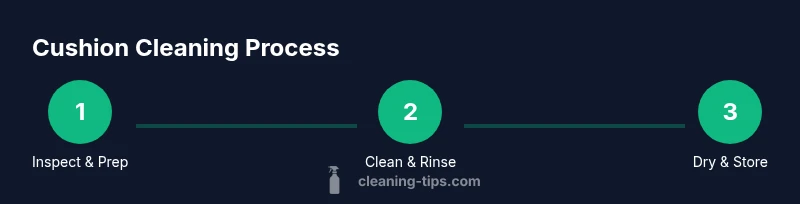
Before you soak, inspect each cushion for labels, zippers, and seams. Remove cushion covers if they are detachable, or loosen folds to allow air to circulate. Vacuum the surface with a brush attachment to lift loose dirt and debris, then check for stains that might need special treatment. Note any signs of mold or mildew and plan a targeted approach, rather than applying a single solution across the entire piece. This upfront prep reduces risk and speeds up the overall process.
General cleaning method for most cushions
Most outdoor cushions respond well to a mild detergent solution and careful brushing. Mix a small amount of liquid detergent with cool or lukewarm water—hot water can sometimes cause shrinkage or color bleed on sensitive fabrics. Use a soft-bristle brush or sponge to gently work the solution into the fabric in a circular motion, then rinse thoroughly with clean water using a spray nozzle. Avoid soaking cushions for long periods; excess moisture can encourage mold growth. Blot excess water with a microfiber cloth and let air-dry in a shaded, well-ventilated area. Regular airing between cleanings helps maintain freshness and reduces odors.
Stain removal: common stains and targeted approaches
Different stains require different tactics. Grease and cooking oil respond well to a small amount of dish soap and warm water, followed by thorough rinsing. Grass and plant stains benefit from a gentle oxygen-based cleaner, tested first in an inconspicuous area. Red wine and fruit juice can often be lifted with a pH-neutral detergent and careful blotting—avoid rubbing, which can set stains deeper. Always rinse completely to remove any soap residue that could attract more dirt. For stubborn stains, apply a fabric-safe stain remover and work from the outside in to prevent spreading.
Mold and mildew: prevention and treatment
Mold and mildew thrive in damp, enclosed cushions. If you notice any musty odor or dark spots, treat promptly. After cleaning, ensure cushions are thoroughly dried; a dehumidified area or a fan can speed up the process. If mildew returns, repeat cleaning with a solution designed for mold cleanup on fabrics and ensure full drying before storage. The Cleaning Tips team emphasizes that keeping cushions dry between uses prevents recurring growth and reduces long-term fabric damage.
Drying and storage: ensuring cushions dry completely
Wet cushions should never be stored while still damp. After cleaning, lay cushions flat or prop them open to maximize airflow and speed drying. For quick results, position cushions in shade rather than in direct sun, which can fade colors and weaken fibers over time. Ensure both the cover and core dry fully; you may use a fan or a dry towel to absorb remaining moisture. When storing, keep cushions in a breathable container or bin to prevent moisture buildup that invites mildew.
Odor control and refreshing cushions between seasons
Between deep cleans, you can refresh cushions by sprinkling a light layer of baking soda, letting it sit for 15–30 minutes, and then brushing or vacuuming it away. This neutralizes odors caused by humidity and everyday use. Freshen fabrics by air-drying them outdoors on a breezy day or placing them near a fan. Avoid leaving cushions damp for long periods, as odors can develop and fibers can degrade with repeated moisture exposure.
Cleaning cushion covers when they are machine-washable
Some cushion covers are designed to be machine-washed. If the care label indicates machine washing is safe, unzip and remove the covers, close zippers, and wash on a gentle cycle with mild detergent. Use cold or warm water and air-dry or tumble-dry on a low heat setting if permitted by the fabric. Always check colorfastness in a hidden area first, as machine washing can cause shrinkage or color transfer on some fabrics.
Maintenance calendar and preventative tips
Set up a simple seasonal schedule: quick wipe-down after heavy rain, a light vacuum monthly, and a full clean every three to six months depending on use and climate. Store cushions in a dry space during off-season or cover them with breathable outdoor covers to reduce dirt buildup. The most important preventative tip is to keep fabrics dry and allow airflow; this reduces the risk of mold, color fading, and fiber wear over time.
Troubleshooting common issues and quick fixes
If cushions appear flat after drying, gently fluff them by hand or with a clean, soft brush to restore loft without damaging fibers. For persistent odors, re-clean with a mild detergent solution and add a touch of baking soda during rinsing. If color fade occurs after cleaning, avoid aggressive scrubbing and use gentler options next time, and consider applying a fabric protector designed for outdoor cushions after full drying. Regular maintenance reduces the likelihood of recurring problems.
Tools & Materials
- Mild liquid detergent (free of bleach and fabric softeners)(Choose a detergent formulated for colorfast outdoor fabrics)
- Soft-bristle brush or sponge(Non-abrasive to prevent fabric fraying)
- Bucket(Small to medium size for mixing solution)
- Garden hose with spray nozzle(Gentle spray setting to rinse without forcing dirt deeper)
- Microfiber cloths(Blotting and drying help prevent water spots)
- Fabric-safe stain remover or oxygen bleach(Test on hidden area first; avoid harsh solvents)
- Vacuum with upholstery attachment(Great for removing loose dirt before washing)
Steps
Estimated time: 60-90 minutes
- 1
Remove loose debris and vacuum
Clear cushions of loose dirt, leaves, and crumbs. Use a vacuum with an upholstery attachment to lift dirt from seams and creases. This prevents deep staining during washing and reduces wash time.
Tip: Vacuum before washing to reduce the amount of detergent needed and minimize wringing. - 2
Test a hidden area for colorfastness
Dampen a small cloth with your cleaning solution and press it on an inconspicuous spot. Check for color transfer or fabric damage. If there is any change, switch to a milder solution or focus on surface cleaning only.
Tip: Always err on the side of caution; colorfastness tests save you from larger issues. - 3
Prepare a mild cleaning solution
In a bucket, mix cool water with a small amount of mild detergent. Avoid hot water and bleach. If you’re dealing with tougher stains, consider an oxygen-based cleaner labeled safe for outdoor fabrics.
Tip: Keep the solution shallow to limit over-wetting and ensure easier rinsing. - 4
Gently scrub the cushion surfaces
Dip the brush in the cleaning solution and scrub in a circular motion, working from the outside of the stain toward the center. Focus on stained areas but avoid aggressive scrubbing that can fray fibers.
Tip: Use light, even pressure to protect fabric integrity. - 5
Rinse thoroughly with clean water
Rinse each cushion with a gentle spray, removing all soap residue. Residual soap can attract more dirt and cause surface yellowing over time.
Tip: Rinse twice if you have heavily soiled cushions. - 6
Treat stubborn stains with targeted remover
Apply fabric-safe stain remover to the most difficult spots and let it sit briefly per label instructions before rinsing again.
Tip: Always read product directions and test again if needed. - 7
Dry cushions completely
Blot excess moisture with microfiber cloths and place cushions in a shaded, airy area. Use a fan or outdoor dryer to speed up drying; do not store cushions while still damp.
Tip: Ensure both covers and cores are fully dry to prevent mildew. - 8
Reassemble and inspect results
Once dry, reattach covers if needed and check for any remaining stains or odors. If necessary, repeat the gentle cleaning steps only on affected areas.
Tip: A light refresh can boost comfort and extend fabric life.
Questions & Answers
Can I use bleach to clean outdoor cushions?
Bleach is generally not recommended for most outdoor fabrics as it can weaken fibers and cause color fading. Use a mild detergent and fabric-safe cleaners instead. Always test on a hidden area first.
Bleach is usually not recommended for outdoor cushions. Use mild cleaners and test first.
Are machine-washable cushion covers safe to wash at home?
If the care label indicates machine washing is safe, use a gentle cycle with cold water and mild detergent. Air-dry or use a low heat setting if permitted. Never wash the core material, only the covers.
If the care label allows it, machine wash the covers on a gentle cycle and air-dry.
How long should cushions dry after cleaning?
Whole cushions typically need several hours to dry, depending on humidity and airflow. Aim for fully dry covers and cores before reassembly to prevent mildew.
Dry thoroughly, it may take several hours depending on humidity.
What about mold and mildew on cushions?
Treat mold promptly with a fabric-safe cleaner and ensure complete drying. If mildew recurs, repeat the cleaning and consider applying a mildew-resistant fabric protector after drying.
Treat mold promptly and dry completely; repeat if it returns.
Can I clean cushions without removing covers?
Yes, you can clean cushions without removing covers by using a spray bottle with a mild solution and a soft brush, then rinsing lightly. Be careful not to soak the filling and avoid soaking seams.
You can clean without removing covers, but avoid soaking fillings.
How often should I clean outdoor cushions?
A light wipe-down monthly and a thorough cleaning every 3–6 months works well for most climates. Increase frequency in humid or rainy areas to prevent mold buildup.
Clean monthly with deep cleans every few months if you live in damp weather.
Watch Video
The Essentials
- Regular cleaning extends cushion life
- Test cleanliness methods on hidden areas first
- Dry thoroughly to prevent mold
- Follow fabric care labels and use gentle cleaners