How to Clean Up Crime Scene Jobs: A Step-by-Step Guide
Learn how to pursue and perform clean up crime scene jobs safely with required credentials, gear, and a clear workflow from securing the scene to waste disposal and documentation.


By following this guide, you’ll know how to pursue clean up crime scene jobs responsibly, what training and certifications are typically required, how to assemble the right PPE and tools, and a high-level workflow from securing the scene to waste disposal and documentation. The emphasis is on safety, legal compliance, and professional, evidence-based cleaning practices.
What does cleaning up crime scene involve?
Clean up crime scene jobs center on restoring a site after traumatic events, including biological residues, odors, and structural debris. The work is conducted with careful attention to safety, regulatory compliance, and respect for affected individuals. Typical tasks span scene assessment, containment, cleaning and disinfection, controlled waste removal, odor management, and thorough documentation. While the specifics vary by jurisdiction and scene type, the core goal is to create a safe, sanitary environment while preventing cross-contamination. According to Cleaning Tips, professionals should start with formal training, comply with local laws, and coordinate with authorities or property owners to ensure that cleanup is performed to accepted health and safety standards.
Safety and legal foundations
Safety is the top priority in crime scene cleanup. This field involves potential exposure to bloodborne pathogens, mould, and chemical residues, so personal protective equipment (PPE) and engineering controls are essential. Legally, cleanup teams must follow local, state, and national regulations regarding biohazard handling, waste disposal, and permeation of contaminated areas. Employers typically require workers to complete hazard communication training, BBP (bloodborne pathogens) courses, and employer-specific safety programs. Compliance with OSHA standards and local disposal guidelines helps minimize risk to workers and the public. Cleaning Tips emphasizes that alignment with regulatory bodies is non-negotiable and that ongoing training is a must for anyone pursuing this line of work.
Credentials and training you should seek
There is no universal license for all jurisdictions, but most cleanup professionals pursue formal training in biohazard cleanup, infection control, and waste disposal. Certifications often cover topics like bloodborne pathogens, chemical safety, and safe handling of contaminated materials. Employers may require evidence of insurance, a clean driving record, and a demonstrated understanding of EPA- and OSHA-compliant cleaning protocols. Training programs also teach risk assessment, contamination control, and proper decontamination techniques. The Cleaning Tips team notes that building a solid foundation in safety and regulatory knowledge is the fastest path to credibility in this field.
Equipment, supplies, and PPE essentials
A well-equipped cleanup operation relies on a mix of PPE, containment tools, disinfectants, and waste handling supplies. Essential items include disposable coveralls, gloves, eye/face protection, respirators or PAPRs, biohazard bags, and clear labeling for waste streams. Containment materials such as plastic sheeting, tape, and markers help isolate affected zones. Cleaning agents should include EPA-registered disinfectants and enzymatic cleaners suitable for biological residues. A HEPA-rated air purifier or portable air scrubber helps reduce airborne contaminants, while absorbent materials and disposable wipes support rapid cleanup. Proper logistics, including a defined waste disposal plan, is critical to minimize cross-contamination and environmental impact.
A high-level cleanup workflow
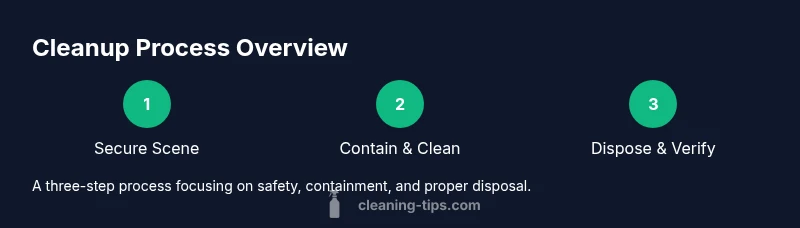
While exact steps vary by scene, a typical workflow follows a consistent pattern. First, secure the scene and establish a perimeter to protect occupants and responders. Next, conduct a hazard assessment and select appropriate PPE. Then, isolate the contaminated area, remove obvious waste, and begin cleaning and disinfection using sector-by-sector approaches. Finally, validate decontamination, document the process, and arrange for compliant waste disposal. Throughout, maintain clear communication with clients and authorities, store evidence safely, and verify that the site is health-hazard-free before handover.
Working with clients and documenting your work
Client communication is essential for setting expectations and timelines. A written scope of work, a transparent pricing approach, and a documented cleanup plan help prevent disputes. Documentation should cover area measurements, products used, disposal records, and incidentals. Photos or video logs can support claims of thoroughness and compliance, provided privacy and consent requirements are met. Maintaining chain-of-custody for any potential evidence is important in some cases. Post-cleanup follow-up, including client sign-off and a final inspection, ensures accountability and trust in the service.
Costs, insurance, and career outlook
Costs for crime scene cleanup vary with scene size, hazard level, access to disposal streams, and local regulations. Employers typically negotiate contracts that include labor, materials, and waste disposal fees, all itemized for transparency. Since this is a high-stakes field, many professionals carry liability insurance and workers’ compensation coverage to mitigate risks. The career outlook for crime scene cleanup remains steady in many regions, driven by ongoing needs in health care facilities, residential properties, and commercial spaces. Build a plan that aligns with local demand, regulations, and your risk tolerance.
How to start: building your plan
A practical start involves identifying local regulations, locating reputable training programs, and networking with experienced cleaners or firms. Seek mentors who can outline real-world challenges, equipment choices, and cost considerations. Create a personal development plan that covers safety certifications, insurance requirements, and a portfolio of completed projects (with client permissions). Build insurance and business fundamentals if you intend to run a service, including licensing, permits, and a robust safety program. The most successful professionals combine rigorous training with practical, on-the-ground experience.
Authority sources and further reading
For deeper understanding of safety and regulatory expectations, consult established sources from government agencies and recognized health organizations. Two authoritative references include OSHA’s Biological Agents guidance and the CDC’s BBP (bloodborne pathogens) resources. These sources provide foundational guidelines that inform best practices in biohazard cleanup and related disciplines. Regularly reviewing official guidance helps ensure your methods remain compliant as standards evolve.
Tools & Materials
- Full PPE kit (coveralls, nitrile gloves, eye protection, N95/PAPR respirator)(Ensure proper fit and seal; replace after each use or as contamination is suspected)
- Biohazard waste bags and red bags for sharps(Use labeled, leak-proof containers; follow local disposal guidelines)
- Leak-proof secondary containment trays(For transport of contaminated materials within the work zone)
- EPA-registered disinfectants and enzymatic cleaners(Validate contact times and surface compatibility)
- Goggles, face shield(Protect eyes from splashes during cleaning and disinfection)
- HEPA air scrubber or portable air purifier(Helps reduce airborne contaminants within enclosed spaces)
- Plastic sheeting and tape(Create containment barriers and marked zones)
- Trash and waste disposal containers(Dedicated bins for contaminated and non-contaminated waste)
- Grit brushes, scrub pads, disposable cloths(Use disposable items where possible to minimize cross-contamination)
- Moisture meters or visual checks(Useful for ensuring surfaces are dry after cleaning)
Steps
Estimated time: 2-4 hours per cleanup job (variable by scene scope and hazard level)
- 1
Assess and secure the scene
Begin by identifying hazards, securing the perimeter, and ensuring any occupants or responders are safe. Establish a clear entry/exit plan and designate zones for contaminated and non-contaminated areas. Document initial conditions for reference and compliance.
Tip: Create a simple floor plan and label zones to prevent cross-contamination. - 2
Don PPE and prepare containment
Put on the full PPE kit, ensuring proper fit and seal. Use plastic sheeting to establish containment barriers around the affected area and place warning signs to restrict access during the cleanup.
Tip: Double-check respirator fit and seal before entering the scene. - 3
Isolate and remove obvious waste
Carefully collect and bag visible waste. Separate sharps and biohazardous materials into appropriate containers. Maintain a clean path to minimize disturbance of the scene while removing debris.
Tip: Avoid crushing materials; bag waste without compressing, then seal securely. - 4
Clean and disinfect in zones
Clean surfaces using enzymatic cleaners followed by EPA-registered disinfectants, respecting contact times. Work sector-by-sector, ensuring no cross-contact between zones. Ventilate the space as directed by safety guidelines.
Tip: Let surface dwell times meet product instructions for effectiveness. - 5
Address odors and moisture
Use odor-neutralizing agents and ensure moisture is controlled to prevent mold growth. Check for hidden damp areas and reuse containment as needed. Reassess after treatment to gauge effectiveness.
Tip: Seal off damp areas and monitor humidity to prevent recurrence. - 6
Documentation and evidence handling
Document products used, disposal receipts, and area measurements. If applicable, preserve any potential evidence according to client direction and legal requirements. Prepare a debrief report for the client.
Tip: Keep a dated log of all actions taken and products applied. - 7
Waste disposal and decontamination
Arrange compliant waste disposal through licensed services. Decontaminate reusable tools, dispose of single-use items, and clean the work area thoroughly. Verify all zones are safe before dismantling containment.
Tip: Do not mix waste streams; separate regulated materials from general debris. - 8
Final verification and client handoff
Conduct a final inspection with the client, ensuring all safety and cleanliness criteria are met. Provide a written summary of work completed, along with any maintenance recommendations or follow-up steps.
Tip: Obtain written sign-off and provide contact info for any post-cleanup questions.
Questions & Answers
What qualifications are required to perform crime scene cleanup?
Most jurisdictions require professional training in biohazard cleanup and waste disposal, plus appropriate licenses or certifications and insurance. Employers typically want evidence of safety training and familiarity with local disposal rules.
Most cleaners need formal training, safety certifications, and insurance. Check local regulations for licensing requirements.
Is crime scene cleanup legal for homeowners to perform themselves?
Laws vary by location. In many places, specialized cleanup requires licensed professionals and licensed disposal services. Homeowners should consult local regulations and avoid handling hazardous materials without training.
Local laws vary; it's generally safer and often required to hire licensed professionals for biohazard cleanup.
How should I choose a cleanup contractor?
Look for licenses, insurance, and clear references. Verify compliance with OSHA and EPA guidelines, and request a written cleanup plan with a transparent cost structure.
Choose a contractor with proper licenses, insurance, and a clear, written plan.
How long does a typical cleanup take?
Duration depends on the scope and hazards. Simple cleanups may take a few hours; more complex cases can take longer. Always obtain a written timeline from the contractor.
Time varies by scope; get a written estimate from the team.
What safety precautions are essential during cleanup?
PPE, proper ventilation, containment, safe waste handling, and approved disinfection protocols are essential to protect workers and occupants.
PPE and containment are essential for safety.
What are typical costs for crime scene cleanup?
Costs vary widely by scope and location. Expect itemized quotes covering labor, materials, and disposal, with clear explanations of what’s included.
Prices vary by scope; request a detailed quote.
Watch Video
The Essentials
- Follow a standardized workflow for safety and consistency
- Obtain essential training and proper certifications
- Use PPE and containment to protect workers and occupants
- Document every step and maintain transparent client communication
- Dispose waste through licensed providers and keep accurate records
- Ongoing training ensures compliance with evolving standards