How to Clean Crime Scenes Safely: A Practical Guide
A safety-first, practical guide to coordinating professional crime-scene cleanup after authorities clear the area. Learn steps, PPE, and what to expect.


This guide shows how to prepare, protect, and coordinate professional crime-scene cleanup safely. You will learn why professionals are essential, what to expect in a cleanup job, the basic safety precautions, and the 6-step process to secure the home, protect occupants, document the scene, and choose a certified service that follows industry standards.
What it means to clean crime scenes safely
Cleaning a crime scene is specialized work that goes beyond regular housekeeping. It involves decontaminating surfaces, removing contaminated materials, controlling odors, and disposing of waste in compliance with local laws. Improper cleaning can leave behind harmful residues and even create new health risks for residents. According to Cleaning Tips, safe crime-scene cleanup should be performed by trained professionals with proper equipment because of the presence of bloodborne pathogens, chemical residues, and other hazards. Homeowners should focus on safety, containment, and documenting the situation for authorities and insurers. This is not a DIY project; it requires certified technicians who follow strict protocols to protect occupants, responders, and future residents. In practice, a professional cleanup team will assess hazards, establish containment zones, and communicate clearly about the scope of work. By understanding these basics, you can make informed decisions about who should handle the cleanup and how to coordinate the process with law enforcement and insurance providers. The goal is to restore a safe living environment while preserving evidence where appropriate and avoiding unnecessary disturbance to any ongoing investigations.
Before you hire: safety, certification, and expectations
Before selecting a cleanup contractor, confirm that they are licensed, insured, and trained in biohazard decontamination. Ask for documentation of certifications such as OSHA Bloodborne Pathogens training, EPA-registered disinfectants, and proof of proper waste disposal methods. A reputable company will perform an initial risk assessment, outline containment requirements, and provide a written scope of work. Cleaning Tips analysis shows that homeowners who hire certified teams report fewer follow-up issues and clearer communication about timelines. Also verify whether the company coordinates with authorities and whether they can offer air clearance testing after the cleanup. Insurance coverage for cleanup activities should be clarified, including whether liability, workers’ compensation, and vehicle coverage are included. Finally, set clear expectations about what the cleaners will and will not do, how evidence will be handled, and what documentation you will receive for insurance claims.
The professional cleanup process: what happens step by step
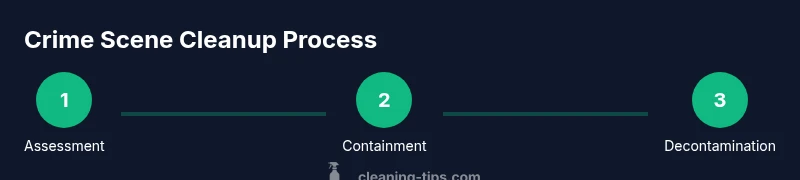
Professional crime-scene cleanup involves a structured, multi-step approach designed to maximize safety and minimize disruption. Expect a thorough on-site assessment to identify all contaminated areas, followed by containment to prevent cross-contamination. Technicians will select appropriate disinfectants and PPE, remove and bag contaminated materials, and employ specialized equipment to decontaminate hard and soft surfaces. After decontamination, disposal is handled according to local regulations, and air quality may be verified with testing. Throughout, technicians document the process, preserve any needed items for insurance claims (if allowed), and coordinate with authorities to ensure compliance with legal requirements. By following a documented protocol, cleanup teams reduce health risks and help restore normal home life as quickly as possible. The goal is to achieve a verifiable level of cleanliness while protecting your family, pets, and visitors from exposure to hazardous residues.
PPE, containment, and decontamination explained
PPE and containment are the first lines of defense in crime-scene cleanup. Technicians typically wear gloves, gowns, face shields or goggles, and respirators or PAPRs when needed. A properly fitted N95 respirator or higher-filtering respirator is essential for protection against aerosols and fine particles. Containment barriers—such as plastic sheeting and negative-pressure air machines—limit the spread of contaminants to adjacent areas. Decontamination involves surface cleaning with EPA-registered disinfectants proven effective against bloodborne pathogens and other hazardous residues. It is crucial to follow labeled contact times for each product and to avoid mixing incompatible chemicals. Routine cleanup tools (such as HEPA vacuums and microfiber cloths) reduce the risk of resuspension and cross-contamination. This section helps homeowners understand why professionals rely on standardized procedures and validated products rather than household cleaners, which are often insufficient for complex contamination.
Aftercare, documentation, and preventing recurrence
Once decontamination is complete, expect documentation that details the areas treated, products used, and disposal methods. Ask for written confirmation that air clearance testing has met acceptable standards before re-entry. Keep all receipts and a record of communications for insurance purposes. If a home has ongoing humidity or odor issues, the cleaners may recommend improvements such as enhanced ventilation, humidity control, and ongoing cleaning routines to prevent recurrence. Finally, use reputable services that provide post-cleanup guidance and contact information for follow-up questions. Cleaning Tips emphasizes the importance of professional guidance to avoid recontamination and to ensure long-term safety for occupants. For ongoing protection, schedule routine cleaning and maintenance with qualified teams, and follow the safety precautions outlined by your local health department and waste-management authorities. AUTHORITY SOURCES: See the section below for official guidance and references from government and educational sites.
Tools & Materials
- Personal protective equipment (PPE) kit(Gloves, coveralls or gown, eye protection, and a respirator or PAPRs if needed)
- Biohazard waste bags(Heavy-duty, sealable bags compliant with local regulations)
- EPA-registered disinfectants(Disinfectants effective against bloodborne pathogens; follow label times)
- HEPA vacuum(Approved for biohazard cleanup; avoid re-aerosolization)
- Goggles/face shield(Eye protection to prevent splashes and exposure)
- N95 respirator or PAPR(Ensure proper fit and seal; use higher protection if indicated)
- Plastic sheeting and containment barriers(Create sealed zones to prevent spread of contaminants)
Steps
Estimated time: 4-12 hours for initial assessment and containment; full cleanup may extend to 1-3 days depending on scope
- 1
Secure the area and notify authorities
Limit access to the scene and avoid disturbing potential evidence. If authorities are present, follow their instructions and document any relevant details for insurance or cleanup planning. This step reduces contamination risk and preserves evidence while ensuring safety.
Tip: Do not touch or move items that could be evidence; establish a boundary tape or locked door if possible. - 2
Document and protect belongings
Take photos from the doorway before entering, noting positions of furniture and entry points. Create an inventory of items to be protected or removed by professionals. This helps with claims and ensures critical belongings are safeguarded.
Tip: Keep a written log of access times and who entered the area. - 3
Hire a certified cleanup company
Choose a company with certifications in biohazard cleanup, proper waste disposal, and liability coverage. Request written scope, timeline, and a detailed estimate. A trained team reduces health risks and ensures compliance with regulations.
Tip: Ask for licenses, insurance certificates, and references from previous jobs. - 4
Coordinate a professional assessment
Allow the cleanup team to conduct a site assessment, determine containment needs, and plan the decontamination sequence. Provide access to utilities if needed and clarify any access restrictions.
Tip: Clear access for technicians speeds up the process and minimizes disruption. - 5
Prepare the site for decontamination
Remove personal items and breakable possessions from the work area if advised by technicians. Allow space for equipment and signage to indicate restricted zones. This reduces risk of accidental exposure and ensures efficient cleaning.
Tip: Follow technician instructions on what can be moved and what must stay in place. - 6
Verify decontamination and disposal
Request post-cleanup confirmation and, if needed, air-quality testing to verify decontamination. Obtain disposal records for waste streams and insurance claims. This final step ensures the space is safe for re-entry and occupancy.
Tip: Keep copies of all test results, invoices, and clearance letters.
Questions & Answers
Is it safe to attempt DIY crime-scene cleanup?
No. Crime-scene cleanup involves biohazards, chemical residues, and legal considerations. DIY attempts can expose you to health risks and compromise potential evidence. Hire certified professionals for safe, compliant decontamination.
DIY cleanup is not recommended due to safety hazards and legal considerations. Always hire certified professionals for proper decontamination.
What credentials should I look for in a cleanup company?
Look for OSHA training in bloodborne pathogens, EPA-registered disinfectants, proper waste disposal practices, and valid licensing and insurance. Ask for references and a written scope of work.
Check for OSHA training, EPA-approved products, and proper insurance. Ask for a written plan and references.
How long does a typical professional cleanup take?
Duration varies by scope, but initial assessment and containment can take several hours, with full decontamination potentially spanning a day or more. The timeline should be outlined in a written plan.
Cleanup time depends on scope; it can range from a few hours to multiple days with a clear written plan.
What should I expect during decontamination?
Expect area containment, material removal where needed, surface disinfection with approved products, and possibly air-quality testing. Technicians will document every step and ensure safe disposal.
You’ll see containment, cleaning with approved products, and disposal, followed by documentation and testing if needed.
Will insurance cover crime-scene cleanup?
Policies vary. Contact your insurer to confirm coverage details, required documentation, and any deductible. A written scope helps in processing a claim.
Check with your insurer about coverage; keep the written scope and receipts for claims.
Watch Video
The Essentials
- Hire certified professionals for safety and compliance
- Secure and document the scene before cleanup
- Use proper PPE and containment to prevent exposure
- Expect a structured, multi-step decontamination process
- The Cleaning Tips team recommends coordinating with authorities and insurers