Clean Water Action: A Practical Home Guide
A practical, step-by-step guide to improve home drinking water quality through testing, filtration options, maintenance routines, and safety considerations.


A clean water action plan helps you reduce contaminants, verify water quality, and choose affordable filtration options that fit your home and budget. Start with a home water test, identify your main concerns, and implement a simple maintenance routine to keep your drinking water safe. This approach emphasizes prevention, cost control, and ongoing monitoring.
Why Clean Water Action Matters for Health
A clean water action plan matters because safe drinking water is essential for daily life and long-term health. Contaminants in tap water—like chlorine byproducts, minerals, metals, and microbial agents—can affect taste, odor, and safety even when water looks clear. A proactive approach, coined here as a clean water action, helps homeowners reduce exposure, avoid costly disruptions, and build confidence in their water supply. According to Cleaning Tips, starting with a simple assessment can set you on a path toward healthier habits without overwhelming your budget. This action plan emphasizes prevention, informed choices, and routine monitoring. Whether you rent or own, a practical plan fits into ordinary routines and can be scaled up as needs evolve. In this guide you’ll learn how to test water quality, select appropriate filtration, and implement a maintenance schedule that keeps water safe, fresh, and reliable for your family. A steady habit of evaluating water quality is a cornerstone of a healthy home.
Understanding Your Water: Contaminants and Risks
Water quality varies by source and region, so the first step in any clean water action is understanding common contaminants and their health implications. Your home may face chemicals like chlorine byproducts, metals such as lead or copper from old pipes, minerals that cause scale, and microbial organisms that affect taste and safety. Even when water appears clear, it can carry dissolved substances that impact health over time. In the context of a practical home guide, prioritize contaminants based on local reports, plumbing age, and home age. Regular awareness—paired with testing—empowers you to choose filtration options that target your specific risks. Clean water action also means considering storage practices, water temperature, and system maintenance to prevent stagnation and bacterial growth.
How to Test Your Water at Home
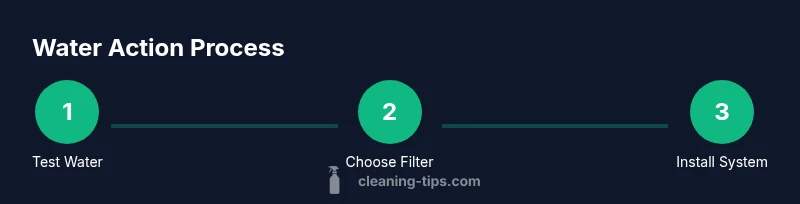
Testing is the cornerstone of a reliable clean water action. Start with a trusted home water test kit that screens for key categories: chlorine/chloramines, total hardness, metals (such as lead and copper), nitrates, bacteria, and pH. Record results and compare to local safety guidelines. If results indicate potential issues or if you live in an older home, consider sending a sample to a certified laboratory for a more precise analysis. While at-home tests provide rapid guidance, lab tests offer definitive data that can inform filtration choices and warranty considerations. Always test water after installing a new filtration system to confirm that the device is working as intended and that contaminants are being reduced.
Filtration Basics: From Pitchers to Whole-House
Filtration options range from simple point-of-use (POU) solutions like pitcher or faucet-mounted filters to more comprehensive whole-house systems. POU filters are cost-effective for specific contaminants and require less installation effort, making them suitable for renters or small households. Whole-house systems treat all water entering your home, which is beneficial for laundry, showers, and appliances, but they require professional installation and regular maintenance. When selecting filtration, consider the contaminants identified in testing, water flow needs, and maintenance capacity. In many cases a layered approach—combining a POU unit with a secondary under-sink filter—delivers both value and performance. Remember that filtration is not a universal remedy; it must target your identified risks for a clean water action to be effective.
Selecting Filtration for Specific Contaminants
Different contaminants require different filtration technologies. Activated carbon reduces taste and odor and certain chemicals but may not effectively remove metals like lead. Ion-exchange resins soften water but won’t remove all bacteria. Reverse osmosis systems can reduce a broad range of dissolved substances but waste water and cost must be considered. For lead, a certified filter that targets lead reduction is essential, and installation must ensure a proper seal and compatibility with existing plumbing. If your testing shows bacteria or viruses, consider a system with a validated microbiological barrier. The key is to align the filtration type with the most pressing contaminants identified in testing, not to rely on a one-size-fits-all solution. A thoughtful selection process is central to a successful clean water action.
Creating a Simple, Budget-Friendly Action Plan
A practical action plan balances effectiveness with affordability. Start with a baseline water test and a budget-friendly filter that targets the most concerning contaminants. Schedule annual or biannual testing and track filter replacement dates to prevent performance drop-offs. For renters or budget-conscious households, prioritize pitcher or faucet filters with straightforward installation, then upgrade to under-sink or whole-house options as needed. A clean water action plan also includes storage practices that minimize contamination risk, like using clean, food-grade containers and avoiding open reservoirs. By documenting decisions, testing results, and maintenance dates, you create a repeatable, scalable process that protects water quality over time.
Maintenance Schedule and Long-Term Care
Regular maintenance is the backbone of a durable clean water action. Create a calendar for filter replacements, fixture checks, and annual testing. Keep spare filters on hand and note model numbers to simplify replacement purchases. Periodically inspect fittings for leaks, replace worn seals, and clean the housing according to manufacturer instructions. For safety, always shut off water supply before servicing filters and dispose of old cartridges properly. Long-term care also means revisiting your testing plan after significant plumbing changes, renovations, or changes in water source to ensure continued effectiveness. A consistent maintenance rhythm helps sustain water quality without surprises.
Safety Considerations and Handling Contaminants
Dealing with potential contaminants requires a safety-conscious mindset. When handling water that may contain hazardous substances, wear gloves and use sealed containers for sample collection. Never mix unknown liquids or attempt DIY chemical treatments without understanding their effects. Follow local guidelines for disposal of filtered materials and replacement cartridges. If you suspect severe contamination or hazardous levels of lead, consult a licensed professional and contact your local water utility. Safety is not optional in a clean water action—it is essential to protect you and your family while maintaining confidence in your water supply.
Maximizing Sustainability with Clean Water Action
Sustainability goes hand-in-hand with effective water action. Reuse and recycle filtration cartridges in accordance with local waste guidelines and choose filters with longer lifespans to reduce waste. Install water-efficient fixtures and maintain systems to minimize energy and water usage. When feasible, combine filtration upgrades with water-saving habits, such as insulated piping and timely filter replacements, to maximize return on investment while protecting the environment. A thoughtful approach to sustainability keeps your clean water action affordable and responsible over the long term.
Authority Sources and How to Verify Information
Rely on trusted sources to verify water quality information. Government and academic resources provide tested guidelines and independent evaluations of filtration technologies. For practical steps, consult these references and compare them with your local water report. Directly testing water quality and following device-specific installation instructions will help you verify performance and safety. Always document sources and cross-check results with independent, reputable institutions to ensure your clean water action remains accurate and up-to-date.
Common Myths and Real-World Scenarios
Myth: Bottled water is always safer than tap water. Reality: Bottled water can be contaminated and is not inherently safer; it also creates plastic waste. Myth: Any filter will remove all contaminants. Reality: Filtration targets specific substances; testing determines which system is right. Real-world scenario: After testing reveals lead, upgrading to a certified lead-reducing filter is essential, and plumbing around older pipes should be evaluated. By debunking myths and evaluating your situation with data, you can implement a more effective clean water action.
Tools & Materials
- Water quality test kit(Choose a kit that tests for chlorine/chloramines, hardness, metals (lead, copper), nitrates, bacteria, and pH.)
- Filtration system (pitcher, faucet-mounted, under-sink, or whole-house)(Select based on identified contaminants and home setup; ensure compatibility with plumbing.)
- Replacement filters/cartridges(Keep spares on hand and track replacement intervals per manufacturer guidance.)
- Adjustable wrench(For securing fittings and connections during installation.)
- Teflon tape(Seal threaded connections to prevent leaks.)
- Safety gloves(Protection when handling unknown contaminants or during installation.)
Steps
Estimated time: 2-3 hours
- 1
Assess current water quality needs
Review your home plumbing age, local water quality reports, and recent taste or odor changes. Prioritize contaminants to test for first based on risk and budget. This step sets the scope for your clean water action plan.
Tip: Document observations (taste, color, odor) to compare with test results later. - 2
Gather the right tools and filters
Assemble a water test kit, the filtration system you plan to use, and replacement cartridges. Check that the fittings match your fixtures and that you have basic tools for installation.
Tip: Read the user manuals for both the test kit and the filtration system before starting. - 3
Test water quality and interpret results
Conduct the home test and, if needed, mail a sample to a certified lab for precise analysis. Compare results against local safety guidelines to identify priority contaminants.
Tip: If lead or bacteria are detected, upgrade to a certified lead-reducing or microbiological barrier filter. - 4
Select an appropriate filtration approach
Choose a filtration setup that targets identified contaminants and fits your home. Consider a layered approach (POU plus secondary filter) for broader protection.
Tip: Factor in maintenance frequency and water usage to balance performance and cost. - 5
Install the filtration system correctly
Follow manufacturer instructions to install the unit, ensuring proper alignment, seals, and leak testing. Use the adjustable wrench and teflon tape as needed.
Tip: Turn off the main supply and test for leaks after installation. - 6
Set a maintenance and retesting plan
Create a schedule for filter changes and periodic retesting to ensure ongoing performance. Record dates and results for future reference.
Tip: Replace filters at the recommended intervals and after any rated reduction in performance.
Questions & Answers
What is a clean water action plan and why should I start one?
A clean water action plan is a practical, data-driven approach to improving drinking water quality at home. It starts with testing, chooses filtration based on results, and includes a maintenance routine to sustain safety over time.
A clean water action plan is a practical, data-driven approach to improving drinking water quality at home. It starts with testing, chooses filtration based on results, and includes a maintenance routine to sustain safety over time.
Do I need professional testing or can I rely on at-home kits?
Home test kits provide quick screening, but lab tests offer definitive results for critical decisions or compliance. Use lab testing when the home test indicates issues or when precise data is required.
Home test kits provide quick screening, but lab tests give definitive results for critical decisions. Use lab testing when issues are indicated or precision is required.
What filtration solution is best for lead?
Filters certified to reduce lead and installed at the point of use near drinking sources are essential. Follow up with pipe inspection if lead exposure is suspected.
Use a filter certified to reduce lead at your drinking water source, and consider inspecting plumbing if lead exposure is suspected.
How often should I replace filters?
Replacement intervals depend on the filter type, usage, and water quality. Follow the manufacturer’s schedule and retest after replacements to confirm performance.
Change filters as recommended by the manufacturer, which depends on use and water quality, and retest afterward to confirm performance.
Is boiling water enough if filtration isn’t available?
Boiling water can kill pathogens but does not remove chemicals or metals. Filtration or treatment designed for your contaminants is needed for comprehensive safety.
Boiling water kills microbes but doesn’t remove chemicals or metals. For chemical contaminants, filtration or other treatment is needed.
Can home remedies like vinegar purify water?
Common home remedies are not reliable water purifiers. Use tested filtration systems and follow testing results rather than homemade treatments.
Home remedies aren’t reliable for purifying water. Rely on tested filtration and the results from water tests.
Watch Video
The Essentials
- Test first, then filter to address real risks.
- Choose filtration by contaminant and home needs.
- Maintain systems and retest to sustain safety.
- Document decisions and maintenance for continuity.
- Aim for a sustainable, low-waste water action.