How to Start a Clean With Me Podcast: A Practical Guide
Learn how to start and grow a successful 'clean with me' podcast with practical planning, gear setup, episode formats, and audience-building strategies. This educational guide walks beginners through concepts, workflow, and consistent publishing for healthier home routines and engaging listeners.


You’ll learn how to plan, record, and publish a practical 'clean with me' podcast that guides listeners through a calming cleaning routine. This guide covers episode formats, gear setups, pacing, and growth strategies to attract an engaged audience from day one. By the end, you’ll have a repeatable process you can start this week.
Why a 'clean with me' podcast resonates
A "clean with me" podcast taps into a universal motivation: watching real tasks get done can be oddly satisfying and motivating for listeners. When you combine a soothing voice, a clear structure, and a relatable daily routine, you create a sense of companionship that makes cleaning feel less like a chore and more like a small achievement. According to Cleaning Tips, the format resonates because it blends practical tips with ambient, distraction-free listening. In this guide, you’ll learn to craft episodes that balance demonstration, narration, and quick takeaways. The target audience includes homeowners and renters who want practical guidance, realistic pacing, and a calm, dependable cadence they can trust week after week. By focusing on routine, you’ll turn ordinary cleaning into a repeatable habit for your listeners and your own workflow.
Defining the format: episodes, pacing, and segments
A successful clean with me podcast benefits from a consistent structure. Consider a 30–45 minute target for each episode, with three core segments: setup overview, live cleaning or time-lapse, and recap with quick tips. Use an opening hook (2–3 sentences) to set the scene, then move into a step-by-step demonstration. Plan recurring segments such as a “before/after” comparison, a quick speed-clean challenge, and a listener Q&A, so audiences know what to expect. Keep an episode calendar with at least four planned episodes ahead of time and rotate cleaning tasks to cover different rooms or seasons. Include timestamps in show notes for readers who prefer to skim. A well-defined format shortens production time and improves listener retention.
Equipment and setup for recording clean-with-me episodes
Quality audio is the foundation of a credible podcast. Start with a good microphone (USB for beginners or XLR for future upgrades), a pop filter, and closed-back headphones. A quiet space with minimal echo helps your voice stay clear, while a basic acoustic treatment (blankets on walls or foam panels) reduces reverberation. If you’re planning video clips, a stable camera or smartphone on a tripod, proper lighting, and a clean backdrop are essential. Use a simple script or outline to keep you on track while you clean naturally; a phone or tablet can serve as a teleprompter if needed. Investing in an inexpensive audio interface and software for editing (like a basic DAW) pays off in cleaner sound and smoother edits. There’s no need to overspend at first—start with solid fundamentals and scale as your audience grows.
Planning content: episode ideas and content calendar
Brainstorm themes that align with listeners’ real cleaning pain points: de-greasing kitchens, refreshing bathrooms, or tackling clutter in small spaces. Create a content calendar that pairs seasonally relevant tasks with practical, time-saving tips. Include guest ideas, such as a local cleaning pro or a DIY enthusiast, to vary the format. Develop a set of reusable prompts for each episode: what you’re cleaning, why it matters, the supplies used, and a quick pro tip. Track ideas in a shared notebook or project management tool so you can reference them as you prepare scripts. This planning reduces on-air hesitations and helps you publish consistently. Keep a buffer of two to four planned episodes in case of busy weeks.
Filming vs. narration style: when to show cleaning vs voiceover
Decide how much of the cleaning you want to show on camera. A true “live” feel works well for visible tasks like scrubbing sinks or organizing shelves, while voiceover can explain techniques during longer tasks (e.g., oven cleaning, grout scrubbing). Alternate between on-camera demonstrations and voiceover narration to maintain rhythm. Use visual cues—before/after shots or time-lapse segments—to keep the episode dynamic. If you record video, ensure your framing highlights the task at hand and your hands stay in frame during key steps. Whether you show the activity or narrate it, your clear, friendly tone should guide listeners through each step of the process.
Recording, editing, and publishing workflow
Establish a repeatable workflow to minimize friction. Record in a single session when possible, then transfer files to your editing suite. In the edit, clean up an imperfect take, remove long pauses, and balance audio levels across segments. Add light background music at low volume, but avoid overpowering your voice. Create concise show notes with sections for supplies, steps, and timestamps, plus a brief write-up that includes your primary keyword naturally. Finally, publish on a reliable hosting platform and share across social channels. Consistency is the key driver of growth; stick to a schedule that you can sustain for several months.
Growth and audience engagement: SEO, social, and branding
Growing a "clean with me" podcast hinges on discoverability and community. Use clear, descriptive episode titles and include key terms like cleaning routine, time-saving tips, and room-specific tasks. Build a content spine that ties episodes to recognizable branding—colors, logo, and a consistent outro with a call-to-action. Promote through bite-sized video clips on social platforms and engage listeners with questions or challenges in your show notes. Track analytics to see which topics resonate most, and adjust your calendar accordingly. Building a habit for listeners—whether it’s weekly reminders or seasonal deep-dives—helps convert casual browsers into devoted followers.
Real-world challenges and burnout prevention
Podcasting while cleaning can be physically demanding. Schedule sessions during the time of day when you’re most energetic, and don’t overcommit. Keep a simple backup plan for when a cleaning task runs long or your equipment hiccups. Use ergonomic movements and proper posture to protect your back, and take short breaks between takes. If motivation fades, revisit your why: helping listeners achieve cleaner homes with less stress. Remember, sustainable routines beat marathon recording sessions any day. Maintaining balance will reflect in your tone and the quality of your episodes.
Measuring success: metrics and experimentation
Key indicators of growth include listener retention, download trends, and engagement on social posts. Track episode completion rate, average listening duration, and click-through rates on show notes. Run small experiments—alternate formats (live-clean vs narrated), test different intros, or vary episode lengths—to see what resonates most. Use audience feedback from comments or emails to refine your topics and presentation style. A data-informed approach helps you iterate quickly and improve the podcast experience over time.
Authority sources
For best practices on cleaning health and safe practices, consult authoritative sources such as the Centers for Disease Control and Prevention (CDC), the Occupational Safety and Health Administration (OSHA), and the National Institutes of Health (NIH). These organizations offer guidance on hygiene, indoor air quality, and safe cleaning methods that can inform episode content and recommendations for listeners.
- https://www.cdc.gov
- https://www.osha.gov
- https://www.nih.gov
Tools & Materials
- Microphone (USB or XLR)(Start with a plug-and-play USB mic or an entry-level XLR setup with an audio interface.)
- Pop filter(Helps reduce plosives for clean vocal recordings.)
- Closed-back headphones(Use during recording to monitor audio in real time.)
- Audio interface (if using XLR)(Needed to convert analog signal to digital; optional if USB mic is used.)
- Computer with editing software(Basic DAW like Audacity, GarageBand, or more advanced if desired.)
- Quiet recording space(Shower curtains, blankets, or dedicated acoustic panels reduce echo.)
- Script or outline templates(Keeps episodes structured and flowing smoothly.)
- Camera or smartphone for video clips(Optional if you plan to publish video versions.)
- Lighting for video(Soft, diffused lighting improves video quality.)
- Tripod or stable mount(Keeps camera steady during filming.)
- External hard drive or cloud storage(Back up raw and edited files.)
Steps
Estimated time: 3-6 hours per episode
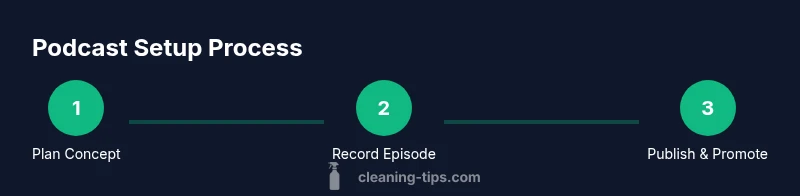
- 1
Define show concept and audience
Clarify your core promise and who you’re helping. Write a brief audience profile and a one-sentence show statement that you’ll repeat in intros. This sharp focus guides every episode decision and keeps content aligned with listener needs.
Tip: Create a one-page brief you can reuse during planning. - 2
Create a reusable episode framework
Draft a 30–45 minute template with three segments: setup, live task (or time-lapse), and recap with tips. Include a consistent intro and outro to reinforce branding. Having a framework reduces on-air hesitation and speeds production.
Tip: Use a checklist for each segment to stay on track. - 3
Set up your recording space
Prepare the room: close the door, close windows/vents, and place acoustic treatment. Test mic levels and adjust distance to avoid clipping. Record a 30-second test clip and listen critically for noise or echoes.
Tip: Aim for a clean, dry signal with minimal background noise. - 4
Record the episode
Follow your outline, staying flexible for natural moments. Demonstrate tasks clearly, narrate steps as you go, and keep a steady tempo. If you slip, pause briefly and start the sentence again to maintain flow.
Tip: Speak at a natural pace; don’t rush through steps. - 5
Edit and polish
Remove dead air, balance audio levels, and insert light background music at low volume. Add time stamps in show notes and craft a concise episode description with your keyword naturally.
Tip: Use compression sparingly to keep voices natural. - 6
Publish and promote
Choose a hosting platform, upload your audio, and publish with a descriptive title and SEO-friendly show notes. Share clips on social media, and invite listeners to subscribe and leave reviews.
Tip: Include a clear call to action in every episode. - 7
Review feedback and iterate
Monitor listener comments and analytics to see what resonates. Plan future episodes around topics with the strongest engagement and refine your format based on data and audience input.
Tip: Keep a running list of listener questions to fuel future episodes.
Questions & Answers
How long should a typical 'clean with me' podcast episode be?
Most successful episodes run 20–45 minutes, balancing depth with listener attention. Start with 30 minutes and adjust based on feedback and analytics.
Most episodes are in the 20 to 45 minute range; start at about 30 minutes and adapt over time.
What basic equipment do beginners need to start?
A USB microphone, a pair of closed-back headphones, and a quiet recording space are the essentials. You can add an audio interface later if you upgrade to an XLR setup.
You mainly need a good USB mic, headphones, and a quiet space to start.
Should I record video for a podcast?
Video is optional but can boost reach. If you record video, ensure your framing shows the task clearly and that lighting is good.
Video can help, but it’s optional; focus on clear visuals and lighting if you do video.
How can I stay consistent with publishing?
Set a realistic schedule (e.g., weekly or biweekly) and batch-record when possible. Use a content calendar and reminders.
Consistency matters more than perfect episodes; plan ahead and batch-record.
How can I monetize a 'clean with me' podcast?
Monetization ideas include sponsorships, affiliate links for cleaning products, premium content, and listener donations. Build an engaged audience first, then explore monetization.
Monetization comes after building a loyal audience; start with value and interest from listeners.
What legal or ethical considerations should I know?
Respect copyright for music, use royalty-free assets, and disclose sponsorships. Be mindful of privacy and consent when featuring guests.
Watch for copyright and sponsorship disclosures; protect guests’ privacy.
Watch Video
The Essentials
- Define a clear audience and promise
- Use a consistent 3-segment episode structure
- Invest in basic but solid audio gear
- Publish consistently and optimize show notes
- Iterate based on listener data and feedback