Does Clean Simple Eats Have Lead? A Practical Safety Guide
A data-driven guide to lead safety in consumer foods. Learn how to verify brand claims, testing options, and practical steps for protecting your home.


Based on publicly available information, there is no verifiable report confirming that Clean Simple Eats products contain lead. As a precaution, check official recalls, third‑party lab tests, and your local safety guidelines. To verify a specific item, review the brand’s disclosures, regulatory filings, and independent consumer safety sources before use.
Understanding Lead in Consumer Foods and Brand Claims
Lead is a toxic metal that can appear in various consumer products through glazes, pigments, or contaminated ingredients. When readers ask does clean simple eats have lead, it’s essential to separate rumor from verified data. According to Cleaning Tips, the safety of any brand hinges on independent testing, transparent disclosures, and adherence to regulatory standards. The absence of a public recall or lab-based confirmation does not guarantee safety, but it does mean you should rely on documented evidence. We review how brands disclose testing results and how regulators enforce limits to help you assess risk.
This section sets up a practical framework: verify claims via official disclosures, seek third-party lab results when available, and understand the difference between regulatory limits and occasional contaminant detections. Lead exposure is most dangerous at higher doses, but repeated low-level exposure can accumulate over time. In home settings, the best approach is a combination of due diligence and prudent avoidance. By focusing on transparent data, you build a reliable baseline for evaluating any food brand, including does clean simple eats have lead concerns.
How to Verify Lead Safety for Any Brand
If you want to verify whether a brand’s products contain lead, start with official disclosures. Look for product-specific testing summaries, ingredient sourcing details, and recall histories. Then consult independent third-party labs or consumer safety organizations that publish tested results. Create a simple checklist: regulatory compliance, disclosed testing methods, batch-specific data, and date of testing. Remember that brand pages may summarize findings, but lab reports offer the strongest evidence. Cleaning Tips recommends cross-referencing multiple sources and keeping item-level documentation handy for future reference.
For households, maintain records of any certifications or test results you obtain and compare them against current regulatory standards. If you cannot locate explicit data, treat the product as unverified and limit exposure until you obtain credible results. This cautious approach minimizes risk while you seek reliable, verifiable information.
Interpreting Labels and Certifications
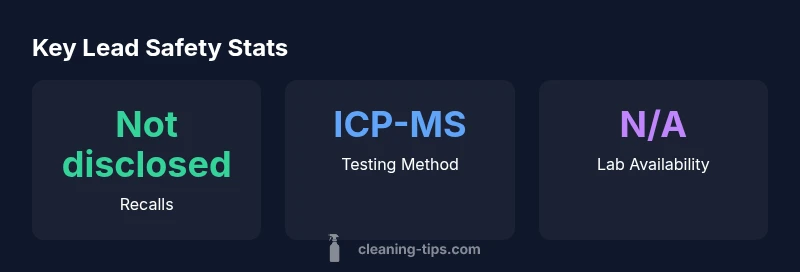
Labels can provide useful signals about safety, but they are not a substitute for lab-based verification. Look for certifications that indicate independent testing, such as consumer safety seals or third-party lab verification. Some regions require vendors to disclose testing methodologies or to publish third-party reports. When evaluating does clean simple eats have lead, check whether the brand mentions test methods (e.g., ICP-MS, XRF), testing dates, and the scope of testing (ingredient vs. finished product). Remember that certifications vary by jurisdiction, so verify applicability in your location.
Be mindful of marketing language. Phrases like “lead-free” should be supported by credible documentation; vague claims or certificates without data warrant closer scrutiny.
Lead Testing: Home Kits versus Professional Labs
Home lead testing kits can be convenient for quick checks, but they often lack the sensitivity and accuracy needed for definitive conclusions about complex food products. For strong evidence, professional lab testing via accredited facilities is preferred. ICP-MS and ICP-OES methods provide low detection limits and reliable quantification, while X-ray fluorescence (XRF) can screen materials in solid form. If you test at home, use kits designed for the type of material you’re evaluating (glazes, ceramics, packaging) and send any suspicious results to an accredited lab for confirmation. Always document the test method, lot numbers, and testing dates for traceability.
This section emphasizes the difference between screening tools and definitive testing, so you can make informed decisions without over-relying on a single data source.
Practical Steps for Homeowners and Renters
To protect your household, adopt a routine safety workflow: (1) review brand disclosures and recalls, (2) check independent testing reports, (3) store products per label instructions, (4) use reputable, food-safe testing services if needed, and (5) minimize exposure by rotating brands and batches where possible. For families with young children or pregnant individuals, err on the side of caution and prioritize verified data. Maintenance routines—such as proper cookware use and cleaning practices—reduce the likelihood of contamination from any source. Cleaning Tips provides practical checklists to help you implement these steps without overwhelming your daily routine.
Finally, keep an open line to brand customer support for item-specific questions and document any responses you receive. This practice improves your ability to make rapid, informed choices in future purchases.
Cleaning Tips' Approach to Transparency and Safety
The Cleaning Tips team believes transparency is essential to consumer trust. When evaluating does clean simple eats have lead, we focus on accessible disclosures, independent verification, and evidence-based practice. Our guidance emphasizes practical verification steps, accessible testing options, and straightforward, science-backed risk assessments. We encourage readers to maintain personal records of testing and disclosures, compare multiple sources, and approach brand safety as an ongoing process rather than a single verdict. This mindset helps homeowners and renters reduce risk while navigating the complex landscape of food safety.
Lead safety verification table
| Aspect | Lead Presence Signals | Verification Steps |
|---|---|---|
| Brand disclosures | May vary by region | Review disclosures and recall histories; request item-level data if possible |
| Regulatory standards | Lead limits exist; differ by jurisdiction | Consult FDA/EFSA guidelines; compare with labeling and batch data |
| Testing options | Laboratory tests; accredited kits | Use accredited labs or official recalls to verify; document methods |
Questions & Answers
What does it mean if a product says lead-free?
Lead-free usually implies no detectable lead in the tested sample, but you should check the testing method, sample size, and whether a full batch was tested. Look for third-party verification or regulatory compliance data to confirm the claim.
A lead-free claim is only as trustworthy as the testing behind it. Look for independent verification and clear data.
How can I verify a brand’s safety data for a specific product?
Start with the brand’s disclosures, then seek third-party lab results or recalls. If data isn’t readily available, contact customer support and request batch-specific testing information.
Check the brand's data, then look for independent lab results or recalls. If in doubt, ask for batch data.
Are there certifications that help indicate safety from lead?
Certifications from credible, independent labs can indicate testing was performed. Look for recognized standards and confirm applicability to the product type and region.
Certification helps, but verify the exact testing and region it covers.
What steps should I take if I suspect lead exposure from a product?
Stop using the product, wash hands and affected surfaces, consult health guidelines, and contact the brand or supplier for records. If exposure is suspected, contact local health authorities.
If you suspect exposure, stop using the product and contact health authorities if needed.
Can home testing alone confirm a safe level of lead?
Home tests can screen but rarely provide definitive confirmation. Use professional lab testing for conclusive results and always review the detection limits of any home kit.
Home tests are helpful for screening but not definitive—use a lab for confirmation.
“Transparent testing and clear disclosures are the foundation of consumer safety in the food and supplement space.”
The Essentials
- Verify brand safety with official data, not marketing claims
- Prefer third-party lab testing for conclusive results
- Maintain documentation for future reference
- Treat unverified products as higher risk until proven safe