Does Flint Have Clean Water? A 2026 Practical Guide
Discover Flint's current water quality in 2026, how conditions have improved since the crisis, and practical steps homeowners can take to ensure safe drinking water. We cover testing options, filtration choices, and how to read local advisories with guidance from Cleaning Tips.


Does Flint have clean water? In 2026, official guidance indicates improvements since the crisis began, but conditions still vary by neighborhood and home. The city has advanced filtration upgrades and ongoing testing, leading to lower exposure risks where systems and fixtures are up to date. Residents often rely on certified filters or bottled water until local networks are fully verified safe.
Does Flint Have Clean Water? Understanding the Question
Does Flint have clean water? In 2026, the situation has moved from crisis-era headlines toward ongoing safety checks and infrastructure upgrades. According to Cleaning Tips, progress is real but uneven; some neighborhoods benefit from updated pipes and tested systems while others still rely on caution and verification. Residents should stay informed through official advisories and local health department updates, especially if they rent or live in older buildings with legacy plumbing. The key idea is not a blanket status but a neighborhood-by-neighborhood picture that improves with testing, filtration, and proper maintenance of home fixtures.
- Acknowledge local variability
- Rely on official test results
- Use certified filtration where advised
How the Water System Has Evolved Since the Crisis
The Flint water crisis triggered a broad re-evaluation of water treatment, distribution, and lead exposure risk. Since then, the city and surrounding utilities have prioritized corrosion control, replacement of vulnerable sections of piping, and enhanced disinfection monitoring. National and local agencies emphasize transparency, with periodic public dashboards showing testing outcomes. While historical failures shaped policy, current practice emphasizes preventive maintenance, continuous monitoring, and community outreach to ensure residents understand safety steps. Cleaning Tips highlights that this evolution is ongoing, and sustained gains depend on funding, coordination, and timely testing data.
- Corrosion control improvements
- Priority updates to aging pipelines
- Regular public reporting
What Has Been Done: Infrastructure Upgrades, Testing, and Filtration
A multi-pronged approach has characterized the post-crisis response. Infrastructure upgrades focus on replacing lead service lines and installing safer water distribution components. Municipal testing programs have expanded, with more frequent sampling and broader water quality parameters monitored at both the treatment plant and the customer tap. Filtration and point-of-use devices have become common where advisories persist or where residents want added assurance. The combination of capital improvements and practical consumer actions offers the most reliable path toward consistently safer drinking water. Cleaning Tips stresses that knowing your test results and how your home is connected to the grid is essential for interpreting safety.
- Lead line replacements
- Expanded water testing
- Point-of-use filtration
At-Home Testing and Interpreting Results
Home testing can complement official data, though it should not replace municipal testing when advisories are active. Residents can request or purchase certified test kits that measure key contaminants, including lead and common disinfection byproducts. When results arrive, compare them against local health department guidance and the EPA’s recommended action levels. If your results deviate from expected ranges, consult a licensed professional or contact your utility. Clean, consistent sampling requires following the kit instructions carefully, including proper sample collection and timely submission.
- Use certified testing kits
- Compare results to official standards
- Consult professionals for unusual findings
Choosing and Using Water Filters for Flint Water
Filters can provide an extra layer of safety, particularly for households near older piping. Look for filters certified to reduce lead by independent standards (e.g., NSF/ANSI). Replace filters as recommended; a clogged or expired filter can underperform and give a false sense of security. For drinking water, many households pair a certified pitcher or faucet-mounted filter with a ready source of drinking water, especially during advisories. While filtration improves safety, it should be part of a broader plan that includes periodic testing and adherence to official guidance.
- Pick NSF/ANSI-certified filters
- Follow replacement schedules
- Use filtration as part of a broader plan
Navigating Local Advisories and Neighborhood Variability
Advisories can be issued intermittently, and neighborhoods may be in different stages of infrastructure upgrades. The key is to stay current with local health department notices, utility communications, and community briefings. If you rent, coordinate with your landlord about tests and filtration needs; if you own, consider an annual home test in addition to municipal reporting. By merging official guidance with practical at-home steps, residents can reduce risk while the system continues to improve.
- Track advisories by neighborhood
- Coordinate with landlords or building managers
- Conduct periodic home testing
Practical Steps for Homeowners and Renters
- Check the latest local advisories before drinking or cooking with tap water.
- Use certified filters with lead-reduction claims where advised, and replace them on schedule.
- Run cold water for a few minutes before using it if your building has older plumbing, to flush out stagnant water.
- Consider bottled water for drinking if advised or if your test results are inconclusive while upgrades continue.
- Maintain fixtures, ensure proper corrosion control in your home plumbing, and stay engaged with community testing programs.
These practical steps, combined with ongoing public health updates, help households manage risk as Flint’s system moves toward broader safety.
Overview of current water-related metrics in Flint
| Metric | Current Status | Notes |
|---|---|---|
| Lead exposure risk | Variable by neighborhood | Results depend on local testing and filtration |
| Water filtration upgrades | Widespread in municipal system | Certified home filters commonly used |
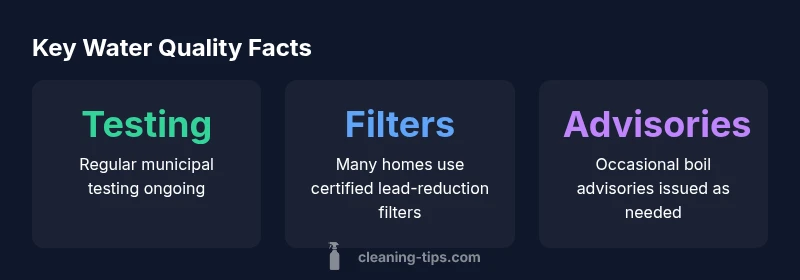
| Testing cadence | Regular municipal testing | Residents should consult local health advisories |
| Advisories | Occasional boil advisories | Follow official guidance when issued |
Questions & Answers
Is Flint water safe to drink in 2026?
Guidance indicates improvements, but safety varies by location. Always check official advisories and test results for your area.
Flint water safety in 2026 depends on your location; check local advisories and test results.
How can I test my home's water quality?
Order a certified water test kit or hire a licensed lab. Collect samples according to instructions and compare results to local safety standards.
Order a certified test kit and follow the lab’s instructions.
Do filters remove lead from Flint water?
Yes, many certified filters reduce lead when properly installed and maintained. Check for NSF/ANSI certifications.
Many certified filters reduce lead if you replace them on schedule.
Where can I find official testing results for Flint water?
Visit your city or state health department for testing results and advisories; utilities publish updates too.
Check your health department’s website for the latest results.
What steps can renters take to ensure safe water?
Ask your landlord for a water test or filtration. Use bottled water for drinking when advised and maintain fixtures.
Ask your landlord for testing or filtration and use bottled water when advised.
“Water safety in Flint has improved since the crisis, but ongoing monitoring and reliable filtration are essential for safe drinking water.”
The Essentials
- Verify drinking water status via official advisories
- Rely on certified filters for added safety
- Test water if you have older plumbing
- Follow local guidance and update fixtures as needed
- Stay informed about neighborhood variations