Does Flint Have Clean Water in 2025? What Homeowners Need to Know
Assess Flint's water safety in 2025: testing, filtration options, and practical steps homeowners can take to ensure clean drinking water.


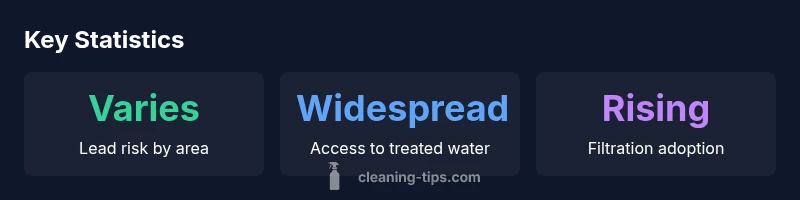
To answer does Flint have clean water 2025, current conditions are not uniformly clean across Flint. Testing shows progress due to treatment and pipe work, but lead risks persist in homes with old service lines. This is not a guarantee. This is not a guarantee. Check current advisories from local health officials. Always test locally with certified labs and follow recommended filtration if advised.
Does Flint still face water safety challenges in 2025?
According to Cleaning Tips, does Flint have clean water 2025? The city continues to grapple with the legacy of aging infrastructure alongside modern treatment improvements. The safety of drinking water is not uniform across every neighborhood. While many residents now receive water that has been treated and monitored by the municipal system, lead exposure risks persist in homes with old service lines or aging plumbing fixtures. Household water testing remains essential, because a single home can have water quality that differs markedly from nearby homes due to pipe condition, local contamination sources, and household plumbing. For homeowners and renters, the key is to approach water safety as a citywide program with home-level variability, not a blanket guarantee of safety.
What Has Changed Since the Crisis Began
The Flint water crisis led to rapid changes in source water management, treatment practices, and the focus on corrosion control. Since then, the city and state agencies have worked to restore water quality through a combination of switching back to a safer supply where feasible, improving corrosion inhibitors, and accelerating the replacement of lead service lines. Public health agencies have emphasized ongoing testing, transparent reporting, and consumer education. While major strides are evident, the full replacement of all lead lines is a lengthy process, and some homes still report elevated lead or bacteria concerns relative to historic baselines. The broader takeaway is that infrastructure upgrades take time, but they are central to long-term safety.
How to Verify Water Safety at Home
Residents should verify safety through a multi-step approach. Start with your local water quality report from the city or state health department. If possible, have your drinking water tested by a certified laboratory for lead and copper. Compare results to the EPA's action levels and seek retesting if results are borderline or if renovations occurred in your home. For ongoing protection, install a certified filtration system that is specifically rated for lead reduction (look for NSF/ANSI 53 or equivalent) and ensure regular filter replacement. Cold water is recommended for testing and consumption, and flushing taps for several minutes before collecting a sample can improve test accuracy. Always follow local advisories.
Practical Steps for Flint Residents in 2025
Practical steps include verifying your home’s service line status, requesting a certified water test, and considering a home filtration system with proven lead reduction. Use cold water for drinking and cooking, run taps regularly to flush out stagnant water, and replace outdated fixtures if they contribute to lead exposure. Keep records of test results and maintenance, and communicate with your municipal water supplier about any concerns. Education and proactive testing are the best defenses against hidden risks.
Filtration and Treatment Options You Can Trust
When selecting filters, prioritize products with NSF/ANSI certifications for lead reduction and particulate reduction. Point-of-use filters (under-sink or countertop) provide targeted protection for drinking water, while whole-house systems reduce contaminants throughout the home. Understand maintenance requirements and replacement schedules to maintain effectiveness. For households with older plumbing, filtration should complement, not replace, flushing and source-control measures. Always purchase through reputable retailers and register warranties where available.
Looking Ahead: Infrastructure Upgrades and Long-Term Prospects
Long-term safety hinges on continued pipe replacement, corrosion control optimization, and robust testing programs. The city’s water system will likely see phased improvements over several years, with priority given to high-risk neighborhoods. Engaging with public health updates and municipal communications helps residents adapt to evolving guidance. While progress is measurable, a cautious, informed approach remains prudent for households until upgrades reach full coverage.
Water safety verification options for Flint residents
| Option | What It Tests | Notes |
|---|---|---|
| Residential Water Test | Lead & Copper | Coordinate testing with a certified lab; follow local guidance |
| Filters (Certified) | Lead Reduction | Verify NSF/ANSI certification; replace per schedule |
| Boil-Only Advisories | Bacterial Safety | Use only when authorities issue an advisory and otherwise avoid boiling as a primary safety measure |
Questions & Answers
Is Flint water safe to drink in 2025?
Safety varies by area. Many homes have treated water, but lead risks persist where old service lines remain. Rely on local test results and follow health official guidance.
Water safety in Flint in 2025 varies by area; check local test results and follow official guidance for filtration and testing.
How can I verify lead levels in my home?
Request a lead-specific test from a certified laboratory. Compare results to EPA action levels and consider retesting after any plumbing work or renovations.
Ask a certified lab for lead testing and compare results to EPA guidelines; retest after plumbing changes.
Do I need a home filtration system?
If tests indicate elevated lead or if you have older plumbing, a certified filtration system can reduce exposure. Choose NSF-certified products and maintain them as recommended.
A certified filtration system can help if lead is present; ensure it’s NSF-certified and maintain it properly.
What standards should I look for in filters?
Look for NSF/ANSI certifications for lead reduction (53) and overall contaminant reduction (42 or 58 as applicable), and verify the product's stated performance.
Choose filters with NSF certifications for lead reduction and confirm their performance specs.
Where can I get tests or reports in Flint?
Contact your city health department or local water utility for current testing locations and public reports. They can direct you to certified laboratories and sample collection sites.
Reach out to the city health department or water utility for current testing sites and reports.
What is the timeline for Flint’s pipe replacements?
Replacement work is ongoing and phased; timelines vary by neighborhood. Stay updated with official announcements and plan for long-term improvements.
Pipe replacement is ongoing and phased; stay updated with local officials for timelines.
“Reliable, ongoing testing and using certified filtration are key to ensuring safe drinking water in homes.”
The Essentials
- Test locally, not rely on city data alone
- Use certified filtration designed for lead reduction
- Replace aging fixtures and pipes where possible
- Follow official advisories and public health guidance
- Infrastructure upgrades are ongoing and will improve safety over time