How to Support Liver Health: Practical Steps
Learn evidence-based, sustainable habits to support liver health. This guide debunks quick detox myths and provides practical diet, hydration, and lifestyle steps you can adopt over weeks. Based on Cleaning Tips analysis (2026) for homeowners and renters.


If you're wondering how can clean my liver, the truth is the liver detoxifies itself naturally. You can support this process with sustainable habits: eat a balanced diet rich in fruits and vegetables, stay hydrated, exercise regularly, limit alcohol, and avoid unnecessary toxins. There is no evidence for quick cleanses; focus on long-term health.
What the liver does and why cleansing isn’t a thing\n\nThe liver is a metabolic workhorse. It filters blood, metabolizes nutrients, creates bile for digestion, stores vitamins and minerals, and helps regulate hormones. It also processes drugs and detoxifies byproducts from digestion. The popular idea of a rapid, at-home “liver cleanse” thrives in media and marketing, but there is no solid scientific basis that a short detox or specific foods will dramatically speed up liver healing or function. Healthy liver function depends on consistent, evidence-based choices rather than gimmicks.\n\nAccording to Cleaning Tips, lasting improvements come from steady, practical habits rather than quick-fix cleanses. The team found that people who focus on regular meals, mindful portions, hydration, body weight management, and reduced exposure to toxins tend to feel better and support liver health over time. If you’re asking how can clean my liver, the best answer is to adopt sustainable lifestyle changes rather than chasing a detox product.
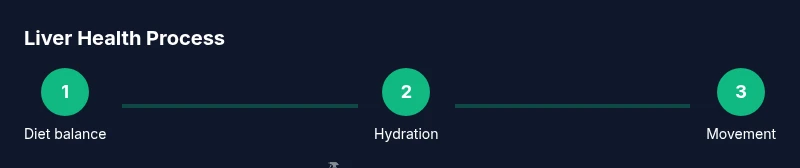
How to support liver health through daily habits\n\nAdopt habits that work with the body's natural detox systems rather than trying to force a reset. A liver-supportive approach emphasizes whole foods, good hydration, regular movement, and cautious use of medications. Practical daily changes include planning balanced plates with vegetables, lean proteins, and whole grains; drinking mostly water or non-sugary beverages; and moving most days of the week. These actions help maintain a healthy body weight and reduce disease risk without extreme restrictions.\n\nThe Cleaning Tips team emphasizes that the most reliable liver-support strategies are those you can sustain for months and years, not days. Build routines that fit your schedule and preferences, and revisit them every few weeks to keep progress on track.
Foods to include and avoid\n\nA liver-friendly diet prioritizes colorful produce, fiber-rich whole grains, and healthy fats. Include leafy greens, berries, cruciferous vegetables, garlic, onions, olive oil, and fatty fish when appropriate. Moderate coffee and tea can fit into many healthy plans, and hydration remains essential. Limit processed foods, refined sugars, and high-saturated-fat choices. Alcohol should be consumed minimally or avoided entirely if you have liver concerns or a family history of liver disease. These choices support liver fat balance, enzyme function, and overall metabolic health.\n\nFor readers asking how can clean my liver, remember that a diet rich in whole foods reduces inflammatory triggers and supports detox pathways naturally, without drastic measures.
Supplements and safe evidence-based guidance\n\nMost people do not need detox supplements to protect liver health. A balanced diet typically provides the nutrients the liver uses to perform its tasks. If you have a diagnosed deficiency or a medical condition, a clinician may recommend a safe supplement strategy. Some herbal products and detox teas lack robust evidence and can interact with medications, so they should be used only after discussing with a healthcare professional. If you’re considering supplements, choose well-known, regulated products and avoid unverified claims.\n\nThe best approach is to focus on lifestyle habits first, and consult a clinician if you have concerns about liver disease or symptoms such as persistent fatigue, jaundice, or abdominal pain.
A practical 7-day plan to support liver health\n\nThe following plan provides a gentle, sustainable path. Day 1 focuses on a balanced plate; Day 2 adds more vegetables and hydration; Day 3 introduces light activity; Day 4 replaces sugary beverages with water or unsweetened options; Day 5 emphasizes proper sleep; Day 6 reviews medication use and toxin exposure; Day 7 reflects on progress and adjusts goals. Each day includes simple meals, a short walk, and mindful meals. The aim is to create habits that can be maintained long-term, rather than pushing extreme changes that are hard to sustain.
When to seek medical advice and how to monitor changes\n\nSeek medical advice if you notice persistent symptoms such as jaundice (yellowing eyes or skin), dark urine, persistent abdominal pain, confusion, or severe fatigue. Regular checkups and liver function tests may be advised if you have risk factors like obesity, diabetes, heavy alcohol use, or a family history of liver disease. Monitoring progress includes tracking weight, energy levels, sleep quality, and adherence to your plan. A clinician can tailor recommendations to your situation and ensure safety with any medications or supplements. In all cases, prioritize evidence-based lifestyle changes over unproven detox claims.
Tools & Materials
- None(No special equipment required; rely on pantry staples and common kitchen items.)
Steps
Estimated time: 4-6 weeks
- 1
Set a baseline and goal
Record current weight, energy levels, and typical meals for a week. Define a realistic goal (e.g., improve diet quality or increase daily activity). Track progress using a simple journal or app. This helps you see what changes matter most.
Tip: Keep your journal simple: one page or a reusable note; consistency beats perfection. - 2
Plan liver-friendly meals
Design meals with half vegetables, a quarter lean protein, and a quarter whole grains or starchy vegetables. Include fiber-rich foods and healthy fats. Planning reduces impulse choices and supports steady energy and metabolism.
Tip: Use the plate method at one meal per day to build long-term habits. - 3
Prioritize hydration
Aim for water most days; limit sugary drinks and high-calorie beverages. Hydration supports digestion, kidney function, and general metabolic processes that affect liver health.
Tip: Carry a reusable bottle and sip regularly rather than drinking large amounts at once. - 4
Limit alcohol and avoid toxins
Limit alcohol to very moderate levels or avoid it altogether if you have liver concerns. Be mindful of medications and environment toxins that can affect liver processing.
Tip: Check medication labels for liver-related cautions and avoid unnecessary combinations. - 5
Move regularly
Incorporate at least 150 minutes of moderate activity per week, plus light strength work. Regular movement helps maintain a healthy weight, which benefits liver fat balance.
Tip: Break activity into 10- to 15-minute bouts if time is tight. - 6
Review medications and supplements
Review all prescription, over-the-counter, and supplement use with your clinician. Some substances can stress the liver or interact with each other.
Tip: Do not start detox teas or herbal products without professional guidance. - 7
Prioritize sleep and stress management
Aim for consistent sleep and basic stress reduction practices. Sleep and stress influence appetite and metabolic balance, which in turn affect liver health.
Tip: Establish a wind-down routine to improve sleep quality. - 8
Track progress and adjust
Reassess goals after 4 weeks. If you don’t notice improvements or you have symptoms, consult a clinician to refine your plan.
Tip: Be prepared to adapt portions, activity, or timing based on how you feel.
Questions & Answers
Can I detox my liver with a juice cleanse?
No. Juice cleanses or extreme detoxes lack robust evidence and can lead to nutrient imbalances or energy dips. Sustainable dietary changes are more effective and safer for liver health.
No detox juice cleanse; focus on steady, evidence-based habits for liver health.
Are there safe liver detox supplements?
Most people don’t need detox supplements. If you have a deficiency or medical condition, a clinician may recommend a safe plan. Avoid unregulated products that promise rapid results.
Detox supplements aren’t typically needed; talk to a clinician before using them.
What foods support liver health?
Include plenty of vegetables, fiber-rich grains, and healthy fats like olive oil. Moderate coffee and hydration also help; limit processed foods and added sugars.
Eat a balanced plate with vegetables, fiber, and healthy fats; stay hydrated.
Does coffee help the liver?
Moderate coffee intake is associated with potential protective effects for the liver in some studies, but it is not a standalone solution. It should fit within an overall healthy lifestyle.
Moderation with coffee can be part of a liver-friendly pattern.
What warning signs require medical attention?
Seek care if you notice persistent jaundice, severe abdominal pain, dark urine, pale stools, or unexplained fatigue. These could signal liver issues requiring evaluation.
See a doctor if you notice persistent yellow skin or unusual symptoms.
Is NAFLD reversible with lifestyle changes?
Weight loss and regular physical activity can reduce liver fat and improve liver function in many cases. Talk with a clinician about a plan tailored to you.
Lifestyle changes can help with liver fat, but medical guidance is important.
Watch Video
The Essentials
- Liver health is supported by consistent, evidence-based habits.
- There is no quick detox; focus on sustainable lifestyle changes.
- Hydration, balanced meals, and regular activity help liver function over time.
- Seek medical advice for persistent symptoms or preexisting conditions.