What to Do to Cleanse Liver: A Practical Guide
Learn practical, evidence-based steps to support liver health. This guide explains what to do to cleanse liver through hydration, fiber-rich foods, moderate alcohol use, weight management, and safe supplements.


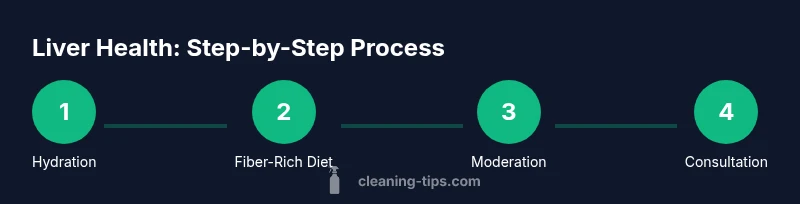
To answer what to do to cleanse liver, focus on lifestyle choices rather than miracle products. Steps include: drink plenty of water; eat a balanced, fiber-rich diet with fruits, vegetables, and whole grains; limit alcohol and avoid excess saturated fats; exercise regularly; maintain a healthy weight; and discuss any supplements with a clinician.
What to do to cleanse liver
What to do to cleanse liver is a common question, but there is limited evidence for detox diets or cleanses. The liver already processes toxins, and a formal 'cleanse' isn't required for healthy adults. According to Cleaning Tips, sustainable liver health comes from everyday choices rather than short-term fads. Understanding how the liver works helps demystify cleansing claims and anchors your actions in practical habits that support metabolism, detoxification pathways, and overall well-being. In the sections that follow, you’ll learn why hydration, fiber-rich nutrition, moderate alcohol use, weight management, and safe supplement decisions are the real levers for long-term liver health.
Understanding liver detox myths
Detox diets, cleanses, and “liver flushes” are popular, but most lack rigorous evidence. The liver already detoxifies continuously, using its own systems to process toxins, metabolize fats, and regulate inflammation. Misinformation often promotes extreme fasting, sugar-free cleanses, or herbal mixtures that can upset digestion or interact with medications. Cleaning Tips emphasizes that sustainable liver health comes from balanced nutrition and steady habits, not short-term detoxes. Be wary of claims that promise rapid, dramatic results; informed choices rely on moderation, evidence, and medical oversight when needed.
Hydration and fiber: the core pillars
Hydration supports kidney and liver function by helping transport nutrients and flushing waste. Aim for consistent fluid intake and water-rich foods like fruits and vegetables. Dietary fiber, from whole grains, legumes, vegetables, and fruit skins, helps regulate gut microbiota and can reduce liver fat accumulation in some cases. Foods rich in polyphenols—such as berries, leafy greens, and colorful vegetables—offer antioxidant benefits that may support liver cells. Cleaning Tips suggests pairing hydration with fiber-rich meals to create a steady metabolic environment that supports liver detox pathways without over-relying on faddish cleanses.
Alcohol and liver health: the evidence
Alcohol is a well-established factor in liver disease when consumed in excess. Limiting intake to moderate levels or abstaining altogether reduces the risk of fatty liver, inflammation, and fibrosis. The exact safe limit varies by individual factors like genetics, body weight, and existing health conditions. The general guidance is to avoid binge drinking and spread any alcohol use over time. It’s important to recognize that even moderate drinking can impact liver health for some people, so consult a clinician if you have liver concerns or take medications that interact with alcohol.
Foods and nutrients that support liver function
A balanced plate supports liver health by providing essential nutrients and antioxidants. Favor vegetables, fruits, whole grains, and lean proteins. Coffee, in moderate amounts, has been associated with improved liver outcomes in some studies, though sugar and cream can offset benefits. Garlic, onions, cruciferous vegetables (broccoli, Brussels sprouts), and leafy greens contribute beneficial compounds that support detox pathways. Healthy fats from olive oil, nuts, and fatty fish help reduce liver fat and improve insulin sensitivity. Cleaning Tips reminds readers that no single food detoxifies the liver; consistency across meals is key.
Safe supplement use: what to ask your clinician
Supplements can interact with medications and liver enzymes. If you’re considering any herbal product (e.g., milk thistle) or vitamin regimen, discuss it with a healthcare provider to avoid adverse effects. Some products marketed as liver cleanses may contain unexpected ingredients or laxatives that can harm digestion and electrolyte balance. Always verify quality and avoid mega-doses of fat-soluble vitamins. A clinician can help assess need, interactions, and appropriate dosing based on health history.
Building a sustainable routine: 7-day sample
A sustainable routine blends hydration, fiber, and activity into daily life. Start with 2–3 liters of fluid intake (adjust for climate and activity), add fiber-rich meals (at least 25–30 grams per day for adults), and schedule 150 minutes of moderate exercise weekly. Use a simple food and activity log to monitor patterns. This block demonstrates how to translate broad guidance into a concrete week-by-week plan that you can maintain long-term, reducing the temptation to chase quick fixes or detox trends.
Common mistakes to avoid
Avoid detox teas or extreme fasting, which can disrupt digestion and electrolyte balance. Don’t rely on a single food, supplement, or “detox” product to cleanse the liver; liver health is a result of overall lifestyle. Be cautious of marketing that promises rapid toxins elimination—progress is gradual and depends on consistent habits, not shortcuts. If you have existing liver disease, consult your clinician before making major dietary changes or introducing supplements.
Monitoring liver health and when to seek care
Track symptoms such as fatigue, abdominal discomfort, swelling, or jaundice. Regular medical checkups, especially if you have risk factors like obesity, diabetes, or chronic alcohol use, help catch issues early. If liver-related symptoms persist or worsen, medical evaluation is essential for accurate diagnosis and management. The aim is to support liver function through steady, evidence-based practices and professional guidance when needed.
Tools & Materials
- Reusable water bottle(Capacity 1 liter or more, easy to refill)
- Fruit and vegetable variety(Aim for a colorful mix daily)
- Whole grains and legumes(Choose minimally processed options)
- Lean proteins(Fish, poultry, beans, and tofu)
- Healthy fats (olive oil, nuts)(Use to replace saturated fats)
- Hydration tracker or app(Helpful to maintain goals)
- Scale or weight-tracking method(Optional for weight management)
Steps
Estimated time: 6-8 weeks to establish habits
- 1
Hydrate and plan meals
Begin each day with water and map out a fiber-rich meal plan. Hydration supports circulation and kidney function, creating a stable environment for liver processes. Planning reduces impulsive choices and aligns meals with liver-friendly nutrients.
Tip: Keep a water bottle by your bed to start the day with a glass of water. - 2
Increase dietary fiber with plants
Fill half your plate with vegetables and a quarter with whole grains or beans. Dietary fiber aids digestion and helps regulate glucose, which can influence liver fat storage and inflammation.
Tip: Introduce one new high-fiber food per week to avoid GI discomfort. - 3
Limit alcohol and read labels
If you drink, do so in moderation and avoid binge patterns. Reading labels helps you identify hidden alcohol or sugar content that can impact liver health.
Tip: Set a weekly cap and stick to it; avoid ‘just one more’ monthly indulgences. - 4
Incorporate regular physical activity
Aim for at least 150 minutes of moderate activity per week and include strength training two days a week. Exercise reduces liver fat and supports weight management, which benefits liver function.
Tip: Choose activities you enjoy to sustain adherence over time. - 5
Review supplements with a clinician
Before starting any supplement, especially botanicals or fat-soluble vitamins, consult a healthcare professional to check interactions and dosing.
Tip: Bring a current supplement list to your appointment for review. - 6
Track progress and adjust habits
Use a simple diary to monitor meals, fluids, activity, and symptoms. Regular review helps you refine habits and stay motivated.
Tip: Set small, measurable goals each week and celebrate progress.
Questions & Answers
Is there a real liver cleanse or detox?
There is no proven detox; liver health is best supported by consistent healthy habits and medical guidance when needed.
There’s no proven liver detox; steady healthy habits and professional guidance help protect liver health.
Can coffee protect my liver?
Some studies associate coffee with better liver outcomes, but moderation matters and it’s not a cure-all.
Coffee may be associated with better liver outcomes in some cases, but moderation is key.
Are detox teas safe?
Detox teas can be unsafe; many contain laxatives or undisclosed ingredients. Check with a clinician before use.
Detox teas can be risky; talk to a clinician before trying them.
How much alcohol is considered safe for the liver?
Safe amounts vary; the goal is moderation and avoiding binge patterns. Consult your clinician for personalized guidance.
Moderation and avoiding binge drinking are important; check with your clinician for personalized advice.
When should I see a doctor for liver concerns?
See a doctor if you have jaundice, persistent fatigue, abdominal pain, swelling, or unusual changes in appetite or weight.
If you notice jaundice or persistent liver-related symptoms, seek medical advice promptly.
Can exercise alone improve liver health?
Exercise supports liver health when combined with a balanced diet and hydration; it’s not a standalone cure.
Exercise helps, but it works best with good nutrition and hydration.
Watch Video
The Essentials
- Adopt evidence-based habits, not detox fads.
- Hydration and fiber are foundational.
- Moderation or abstinence from alcohol protects the liver.
- Regular activity supports liver health and weight control.
- Consult a clinician before supplements.