How to Clean Solar Panels Safely and Effectively
Learn how to clean solar panels safely with mild water, soft brushes, and manufacturer guidance. This guide covers tools, techniques, safety, and maintenance to maximize energy output without damaging panels.


Cleaning solar panels is safe and effective when you use mild water, a soft brush, and gentle scrubbing, following the panel manufacturer’s guidelines. Clean on a dry, cool day to avoid rapid drying and streaks. Avoid high-pressure hoses or abrasive cleaners, and never clean rooftop panels while the system is energized. If in doubt, consult a professional.
Why cleaning solar panels matters
Dirt, dust, pollen, and organic buildup can shade solar cells and reduce energy production. Even light grading of grime can cause a noticeable drop in output over time, especially in dusty or coastal environments where salt spray accelerates film formation. Regular cleaning helps maintain near-peak performance without expensive upgrades. The Cleaning Tips team emphasizes that a clean surface allows sunlight to reach photovoltaic cells more efficiently, which can translate into steadier energy generation and longer panel life. Keeping panels clean also facilitates easier inspection for cracks, loose wiring, or seal wear, which can otherwise go unnoticed until bigger problems arise. When homeowners take a proactive approach to cleanliness, they minimize maintenance surprises and support safer, quieter operation of the system overall.
Tip: Schedule light cleaning after blooming seasons or dusty periods to prevent heavy buildup.
When to clean solar panels
Panels should be cleaned when there is visible dirt buildup or after events that deposit grime, such as pollen surges, coastal salt spray, wildfire ash, or construction dust. In dry, windy climates, dirt tends to accumulate more rapidly, so more frequent cleaning may be warranted. In shaded or low-output periods, cleaning is less disruptive and can be planned for a non-peak production time. The goal is to restore surface clarity without interrupting monitoring or triggering alarms on some smart inverter systems. If you rely on a monitoring app, compare performance graphs before and after cleaning to gauge effectiveness. Remember, not every installation requires frequent cleaning; assess based on local conditions and observed output.
Pro tip: Use your energy production data to decide cleaning frequency instead of a fixed schedule.
Safety first: working on rooftops and using ladders
Rooftop cleaning carries fall and electrical risks. Always assess the weather, avoid wet surfaces, and never lean over the panel edge. Use a sturdy ladder on stable ground, wear non-slip footwear, and consider a safety harness for elevated work. If you have a tilt-up or flush-mount system, weight distribution matters; distribute pressure evenly and avoid standing directly on panels. For multi-story installations, consider ground-level cleaning with long-handled tools or hire an experienced technician. If the system is grid-tied, be mindful of any lockout or safety procedures required by the installer.
Brand note: Cleaning Tips recommends consulting the system manual and a qualified installer when rooftop access is needed.
Preparing to clean: planning and safety checks
Before you touch any surface, gather your materials and inspect the area. Confirm weather conditions are mild and dry, and ensure nearby windows and doors won’t create wind gusts that blow debris toward panels. Review the manufacturer guidelines for cleaning agents and permitted methods, as some coatings may require specific cleaners. Inspect for damaged sealants, loose mounting hardware, or cracks visible from ground level. If you see damage, halt cleaning and contact a licensed technician. Always unplug or isolate any electrical components per the manufacturer’s instructions if this is part of the procedure.
Remember that the goal is a gentle, non-abrasive cleaning that preserves the protective coatings on your panels.
Cleaning methods: water, brushes, and gentle cleaners
Start with a light rinse using low-pressure water to dislodge loose dirt. Use a soft-bristle brush or sponge with mild dish soap diluted in water to gently lift grime, then rinse again. For stubborn spots, apply a small amount of cleaner and let it sit briefly before scrubbing lightly. Avoid harsh chemicals, bleach, ammonia, or anything caustic that can damage the protective coating or backsheet. Do not use high-pressure sprays, which can crack the glass or loosen seals. Work from the bottom up where possible and keep a steady hand to avoid splashing dirt into electrical connections.
If you’re cleaning from the ground with a long-handled tool, stay cautious about reach and stability. Dry any residual droplets from edges to prevent streaks and mineral deposits.
Cleaning frequency and seasonal considerations
In arid or dusty climates, more frequent cleaning may be beneficial; in temperate regions with low buildup, seasonal checks may suffice. During wildfire seasons, check for ash deposition and clean as needed after sufficient drying time. In coastal regions, salt spray can accelerate film formation, leading to quicker performance dips and the need for more regular maintenance. Always weigh the investment in time against observed energy output, rather than following a rigid calendar. A flexible approach, guided by local conditions and performance data, is most effective.
Cleaning Tips recommends documenting dates and conditions to build a practical maintenance rhythm that suits your home.
Aftercare: inspection, seals, and performance tracking
After cleaning, inspect panels for cracks, discoloration, or delamination around edges. Look for any water ingress or residue that could indicate seal wear and plan a professional inspection if anything looks abnormal. Reconnect any disconnected cables only after ensuring the area is dry and all protective covers are in place. Monitor energy production for a few days to confirm the cleaning yielded a performance improvement. If output remains lower than expected, recheck the cleaning method, inspect mounting hardware, and consider a professional evaluation.
A simple log of cleaning dates and observed output can be valuable for long-term planning and resale value.
Common mistakes and troubleshooting
Common errors include using high-pressure water, which can crack panels or loosen seals, and applying abrasive cleaners that erode coatings. Cleaning on a hot, sunny day creates rapid evaporation, leaving streaks and residue. Over-wetting rooftop areas can pose slip hazards. If you cannot safely access the panels, do not attempt cleanup; hire a qualified technician instead. When in doubt, revert to manufacturer instructions and keep a record of what cleaners were used and in what concentrations.
Cleaning Tips cautions against DIY attempts that demand specialized tools or professional training beyond basic safety awareness.
Tools & Materials
- Mild dish soap or manufacturer-approved cleaning solution(2-3 drops per gallon of water; use sparingly)
- Lukewarm water(Avoid hot water to minimize thermal stress)
- Soft-bristle brush(Non-abrasive nylon bristles; gentle pressure)
- Sponge or microfiber cloth(Soft contact to prevent scratching)
- Microfiber drying cloth(For edge drying to reduce streaks)
- Ladder or long-handled squeegee(Ground-level access; ensure ladder stability)
- Safety gear (gloves, non-slip footwear)(Protective gear to reduce slips and skin contact)
- Safety harness (optional for rooftop work)(Only with proper training and equipment)
Steps
Estimated time: 45-60 minutes
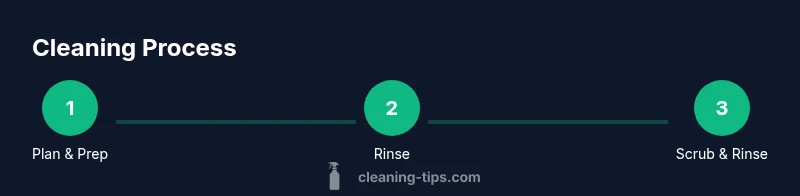
- 1
Check manufacturer guidelines and safety prerequisites
Review the cleaning instructions provided by the solar panel manufacturer and verify any warranty conditions. Confirm that the weather is dry, mild, and safe for elevation work if rooftop access is required. Gather tools and ensure you know exit routes in case of an emergent need.
Tip: If you are unsure about roof access, hire a pro rather than attempting DIY - 2
Plan your approach and secure the area
Set up a clean path from your access point to the panels and clear any obstacles. Place a non-slip mat under the ladder and have a helper nearby if possible. Ensure power shutoff procedures are understood and followed if your system requires isolation.
Tip: Keep a buddy system for rooftop tasks to enhance safety - 3
Rinse and prep the panels
Gently rinse the surface with low-pressure water to remove loose dirt. Move slowly to prevent splashing and avoid directing water toward electrical components. Do not climb onto the panels themselves; remain on stable ground if using a long-handled tool.
Tip: Rinse from the top down when possible to prevent runoff streaks - 4
Apply cleaner and scrub softly
Mix a mild cleaning solution and apply it with a soft brush or sponge. Scrub in a gentle, circular motion focusing on stubborn spots, then rinse again thoroughly. Avoid abrasive pads and never use strong chemicals that could damage coatings.
Tip: Test cleaner on a small area first if you are unsure about material compatibility - 5
Dry and inspect
Dry the panel edges with a microfiber cloth and visually inspect for streaks or missed spots. Check seals and mounting hardware for signs of wear. If you notice any damage, stop cleaning and contact a professional for inspection.
Tip: Keep a short log of dates and observed conditions for trend tracking - 6
Monitor performance and adjust frequency
Compare post-cleaning energy output with expected performance from your system data. If gains are minimal, assess whether build-up is a recurring issue and whether a more frequent schedule is appropriate for your climate. Reassess safety plans as seasons change.
Tip: Use energy monitoring data to guide future cleaning intervals
Questions & Answers
Do I need to turn off solar panels before cleaning?
Not always; many grid-tied systems remain energized. Follow the manufacturer instructions and isolate any components only if recommended. If you are unsure, consult a licensed technician before proceeding.
Turn off is often not required for standard rooftop cleaning, but always follow your system’s manual or contact a professional if you’re unsure.
Can I clean solar panels from the ground?
Yes, for certain installations you can use long-handled tools from ground level. Avoid leaning, and do not apply heavy pressure. Always weigh reach and safety against the risk of slipping.
Ground cleaning is possible with the right long-handled tools and caution; avoid taking risks on ladders when not needed.
What cleaning solutions are safe for solar panels?
Use mild dish soap diluted in water or cleaners recommended by the manufacturer. Avoid bleach, ammonia, or solvents that can degrade coatings or seals.
Stick to mild cleaners and the manufacturer’s guidance to protect coatings and warranties.
Is cleaning solar panels always necessary?
Not always. In many climates, panels stay clear enough that cleaning isn’t required often. Consider how much dirt accumulates and whether the energy output is consistently dropping.
Cleaning depends on dirt levels and energy drop; you don’t have to clean on a fixed schedule.
How often should I clean solar panels?
Frequency depends on climate and local conditions. Use surface inspection and performance data to decide when cleaning is warranted rather than following a fixed calendar.
Let your environment and data guide how often you clean, not a strict timetable.
Watch Video
The Essentials
- Inspect manufacturer guidelines before cleaning
- Use gentle, non-abrasive methods
- Avoid high-pressure washing or harsh chemicals
- Clean on mild weather with proper safety
- Track energy output to adjust frequency