How long do cleaning products last? A practical shelf-life guide
Discover how long cleaning products last, with storage tips, product-type ranges, and safe discard guidance. Learn when to replace or discard cleaners and how to extend their effectiveness in a healthy home.


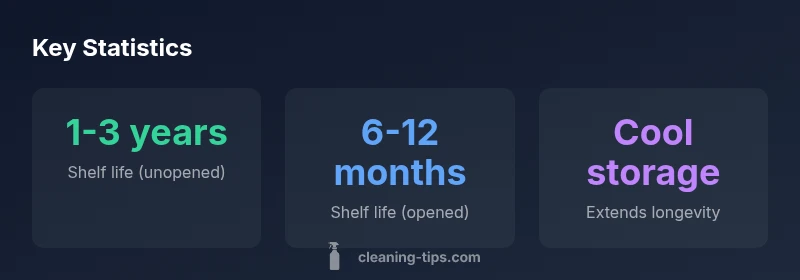
Cleaning products vary widely, but most unopened cleaners stay effective for about 1-3 years when stored upright in a cool, dark place. Once opened, many formulas lose potency within 6-12 months, and some, like peroxide and bleach, degrade faster. Always check the label for the official shelf life and discard if odor changes or separation occurs.
Why shelf life matters for cleaning products
Understanding how long cleaning products last is essential for both efficacy and safety. If you ask how long do cleaning products last, the answer depends on the chemical composition and storage conditions. When a product is past its prime, it may lose cleaning power, produce less foaming, or degrade into byproducts that could irritate skin or eyes. For many households, shelf life is a practical concern: you want cleaners that work when needed, without risking residue or unexpected reactions on surfaces. The shelf life of cleaners also influences budgeting and waste. By knowing the typical windows for different formulas and how storage changes outcomes, homeowners and renters can plan purchases more efficiently and reduce waste without sacrificing cleanliness. This guide blends general knowledge with practical checks you can perform at home, such as inspecting containers, odors, and textures, before using older products on sensitive surfaces.
In many households, the question isn’t just about a date on the bottle; it’s about staying safe and keeping surfaces pristine. The concept of shelf life applies to everything from everyday dish soap to specialty cleaners. Label guidance and batch information provide the most reliable clues, but real-world use hinges on storage temperature, exposure to light, and whether products have been diluted or mixed with other substances. With this context, you’ll be prepared to assess cleaners quickly and decide whether they should stay in your cabinet or move to recycling. According to Cleaning Tips, shelf life varies widely and storage matters as much as product type.
To get value from your cleaning products, think in terms of categories and conditions. A well-maintained stock turns over less frequently, reduces waste, and keeps your home healthier. This section will guide you through practical ranges, test methods, and best practices for extending shelf life while maintaining cleaning efficacy.
How storage affects longevity
Storage is the single biggest lever in determining how long cleaning products last. Temperature, light exposure, container integrity, and moisture all influence chemical stability. Keep products in their original containers when possible, with caps sealed tightly to minimize air ingress. Store away from direct sunlight and heat sources, since ultraviolet light and high temperatures accelerate degradation and can alter the potency of active ingredients. For liquids, shake gently if required by the label, but avoid repeated opening and closing that introduces air and contaminants. Mixing cleaners or combining incompatible products (for example, bleach with ammonia or acids) can create hazardous fumes or reactive byproducts that render cleaners unsafe or ineffective. Humidity and proximity to food storage areas should also be avoided to prevent cross-contamination. According to Cleaning Tips, proper storage can meaningfully extend shelf life by reducing exposure to factors that accelerate breakdown. Subtle changes in scent, color, or viscosity should cue a closer look at product quality and potential discard decisions.
Practical storage tips include keeping cleaners off the floor in sturdy shelves, labeling shelves by category, and rotating stock so older items are used first. Elevate bottles slightly to avoid moisture contact, use clear bins for visibility, and periodically inspect packaging for cracks or leaks. These habits help ensure you’re using products within their effective window and not surreptitiously introducing reduced-activity cleaners into your routine.
Shelf life by product type
Shelf life varies by chemical class and formulation. Below are general, experience-based ranges to guide decisions, with a focus on common household products. Remember that storage quality, dilution status, and label guidance affect exact outcomes. When in doubt, rely on the product’s date code and odors as your final indicators.
- Bleach (sodium hypochlorite): Opened products typically last six to twelve months; unopened bottles can remain effective for about one to two years if stored in a cool, dark place. Use caution with exposure to heat and sunlight, which degrade active chlorine.
- Hydrogen peroxide: Once opened, potency declines over months; unopened bottles can retain effectiveness for one to three years under proper storage. Avoid light by keeping in opaque containers or cartons.
- Ammonia-based cleaners: Opened products generally stay usable for about one to two years; unopened bottles can last two to three years when kept sealed and away from acids and heat.
- Vinegar (distilled): Very stable; opened and unopened bottles can last several years, with a practical range of two to five years for opened products and longer for unopened depending on storage conditions.
- All-purpose cleaners: Opened products typically remain effective for about one year; unopened bottles can last two to three years when kept away from heat and direct sunlight.
- Baking soda (sodium bicarbonate): As a dry product, it remains usable for several years if kept dry and sealed; opened containers may see quality changes within six months to two years depending on moisture exposure.
- Dish soap: Opened liquid dish soap typically lasts one to two years; unopened containers can keep effectiveness for two to three years when stored in a cool, dry place.
These figures are broad ranges and assume typical storage in a household environment. Actual shelf life will vary by brand, formulation, and storage quality. Always inspect products for changes before use and prioritize label guidance for any product-specific safety or disposal recommendations.
How to test if a cleaner is still good
Testing a cleaner’s effectiveness without compromising safety is practical and straightforward. Start with the product’s appearance and smell: a sour, rotten, or overly chemical odor can indicate degradation, while cloudiness or separation in liquids may signal a loss of formulation integrity. For viscous cleaners, check whether they pour smoothly and maintain their intended texture. If a product is old but still within the label’s stated window, perform a small test on a non-critical surface—such as a hidden area of a sink or a wall corner—to verify that the cleaner cleans effectively without residue or discoloration. Always caution against using questionable products on food-contact surfaces or on surfaces that could be sensitive to chemical reactions. If you observe anything unusual, discontinue use and replace the product. The general rule is: when in doubt, throw it out to protect your home and family. Cleaning Tips emphasizes the importance of relying on label guidance and safe disposal practices when assessing older cleaners.
Best practices to extend shelf life
Extending shelf life doesn’t require a special toolkit, just consistent habits. Start by buying only what you will use within a reasonable time frame, choosing smaller bottles or multi-packs that rotate quickly. Store products in their original containers in a cool, dark place and away from direct sunlight or heat sources like ovens and radiators. Keep containers tightly closed when not in use and avoid diluting cleaners unless the label explicitly instructs you to do so. Maintain separate storage zones for different cleaners to prevent cross-contamination. Regularly audit your cleaning cabinet—every three to six months—checking dates, odors, and appearances, and discard anything that shows signs of degradation or has exceeded its recommended window. By combining careful storage with mindful purchasing, you’ll maximize effectiveness and minimize waste, aligning with practical cleaning routines that fit busy homes. The Cleaning Tips team highlights that small, proactive steps can yield meaningful improvements in both performance and safety.
What to discard and when
Not every cleaning product is worth keeping beyond its prime. Discard products that show changes in color, cloudiness, off odors, or separation, especially if the product’s effectiveness is in doubt or the container is damaged. For oxidizers like bleach and hydrogen peroxide, if the product has lost its potency or has started to foam abnormally, it should be discarded. Also consider disposal guidelines on the label; many cleaners require household hazardous waste programs rather than ordinary trash. When you’re uncertain, err on the side of safety and replace questionable products with fresh formulations. Keeping a simple log of purchase dates and typical shelf-life windows can help you make timely decisions and avoid keeping low-activity cleaners in your home. The goal is to maintain a clean, safe environment without overstocking or risking ineffective products.
Data-backed shelf-life estimates (summary)
A concise synthesis of typical shelf-life windows and the conditions that influence them helps anchor decision-making. The ranges noted above reflect common formulations and everyday storage, not guarantees. Critical factors include whether the product is unopened, how long it’s been exposed to light and heat, and whether the container remains airtight. A quick way to anchor decisions is to compare your product against its label’s stated best-by date, odor indicators, and any visible changes. In practice, keeping a basic inventory and updating it with new purchases can help you use items within their optimal windows and reduce waste. For a more precise view, consult the data table that presents representative categories and their open vs unopened longevity, along with storage notes. Cleaning Tips emphasizes that consistency in storage is a reliable predictor of longer shelf life and better cleaning results.
Shelf life ranges for common household cleaners
| Product Type | Open Shelf Life | Unopened Shelf Life | Storage Notes |
|---|---|---|---|
| Bleach (sodium hypochlorite) | "6-12 months" | "1-2 years" | "Cool, dark place; airtight" |
| "Hydrogen peroxide" | "2-12 months" | "1-3 years" | "Opaque container; avoid light" |
| "Ammonia-based cleaners" | "12-24 months" | "2-3 years" | "Sealed; away from acids" |
| "Vinegar (distilled)" | "2-5 years" | "5-10 years" | "Cool, sealed container" |
| "All-purpose cleaner" | "12 months" | "2-3 years" | "Avoid heat/sunlight" |
| "Baking soda" | "6-24 months" | "2-5 years" | "Keep dry; sealed" |
| "Dish soap" | "12-18 months" | "2-3 years" | "Seal tightly; avoid hot areas" |
Questions & Answers
What factors affect how long cleaning products last?
Several factors determine shelf life, including chemical formulation, unopened versus opened status, exposure to light and heat, container integrity, and whether products have been diluted or mixed. Label guidance provides the product-specific window, while storage quality can extend or shorten the effective period.
Shelf life depends on the formula, whether it’s opened, and how you store it. Check the label and store away from heat and light.
Do opened cleaners last as long as unopened ones?
Opened cleaners generally have shorter, more variable lifespans because air exposure and possible contamination accelerate degradation. Unopened bottles retain their activity longer, but storage conditions still matter. Always inspect before use and replace if in doubt.
Opened products don’t last as long as unopened ones, and storage matters.
Can I extend shelf life by refrigerating cleaners?
Refrigeration can help some products maintain potency, especially peroxide-based cleaners, but many cleaners are formulated for room temperature storage. Read the label before refrigerating, since some products may separate or become less effective when chilled.
Check the label; refrigeration is not universally recommended.
Should cleaning products be discarded if they change color or smell?
Yes. Changes in color, odor, or texture can indicate degradation or contamination. If any of these are present, discard the product and replace it. Never use questionable cleaners on food-contact surfaces.
If it looks or smells off, discard it.
Is baking soda’s shelf life really indefinite?
Dry baking soda is very stable and can last for years if kept dry and sealed. It may lose some effectiveness for certain uses over time, but it won’t typically become hazardous. Store in a cool, dry place to maintain its quality.
Baking soda lasts a long time if kept dry.
“Shelf life is not a single fixed date; it depends on the chemical formulation and storage conditions. Always follow label guidance and dispose of products safely when signs of degradation appear.”
The Essentials
- Use unopened products within 1-3 years when stored properly
- Opened products are typically best within 6-12 months
- Store cleaners in a cool, dark place and keep containers sealed
- Inspect odor, color, and texture before use; discard if changes occur
- Rotate stock and use older items first to minimize waste