How Much Does Cleaning Service Cost in 2026
Explore how much cleaning services cost in 2026, including typical price ranges, what affects price, and smart tips to compare quotes and save money.


Cost for professional cleaning services varies widely based on home size, region, and service level. In 2026, most households can expect a standard one-time clean in the low-to-mid hundreds, with larger homes or specialized services pushing costs higher. Regular scheduling often reduces per-visit prices, while add-ons like deep cleaning or move-in/out work raise the total. Use quotes and check for hidden fees to compare fairly.
What influences cleaning service cost
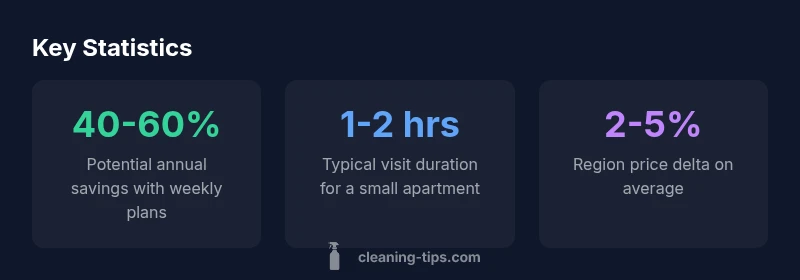
Understanding how much does cleaning service cost starts with recognizing the core price drivers. Size and condition of your home, geographic location, and the level of service you request all influence the bottom line. According to Cleaning Tips, prices typically scale with square footage and the complexity of the tasks. A standard clean for a small apartment is generally less expensive than a multi-bedroom home with several bathrooms and a busy kitchen. In 2026, most households should anticipate a price range that reflects these factors, with larger homes and specialized services pushing costs higher. The key is to be explicit about the tasks you want, so providers can tailor an accurate quote. The more you understand pricing levers, the easier it is to compare quotes across cleaners.
Service levels and pricing models
Pricing models vary by provider and service level. Some cleaners charge a flat rate for a standard cleaning, while others bill hourly. Deep cleans, move-in/move-out cleans, and post-renovation jobs are typically priced as add-ons or as a separate job. Itemized quotes help you see what you’re paying for, from basic surface cleaning to inside appliances or behind furniture. If you’re weighing options, request both a flat-rate and an hourly estimate for the same scope of work to understand the premium you’re paying for enhanced service. This clarity supports fair comparisons and budget planning.
Frequency and contracts
Frequency is a powerful price lever. Weekly visits often carry a lower per-visit cost than monthly or biweekly cleans, and some providers offer loyalty discounts for longer contracts. If you’re flexible, committing to a regular schedule can yield meaningful savings over time. However, always confirm how cancellations affect pricing; some cleaners charge a fee for missed appointments or re-booking that impacts overall cost. Cleaning Tips notes that a well-planned cadence not only reduces cost but also maintains consistent cleaning outcomes.
Home characteristics that affect cost
Certain home features increase the complexity of a cleaning job. More bathrooms, kitchens with heavy cooking residues, and multiple specialty appliances (dishwashers, ovens, refrigerators) require extra effort and time. Pets add dander, fur, and odor considerations that may necessitate extra cleaning products or methods. Clutter levels influence the time needed to reach surfaces, corners, and high-traffic areas. If you have stairwells, high ceilings, or hard-to-reach spaces, expect additional labor costs. Sharing a precise list of tasks with your cleaner helps avoid surprises at the final invoice.
Regional variations and what to expect
Prices typically vary by region. Urban centers with higher costs of living tend to have higher cleaning rates than rural areas, reflecting labor costs, demand, and travel time. In many markets, you’ll see larger price gaps between a basic maintenance clean and a comprehensive service that includes oven, fridge, or window cleaning. Consumers should use this knowledge to calibrate expectations when moving between regions or when considering a move from a smaller town to a large city. Local competition also plays a role, sometimes driving price down when multiple providers serve the same area.
How cleaners estimate quotes
Most cleaners start with on-site assessments or detailed information about your home. Key inputs include square footage, the number of rooms and bathrooms, the presence of pets, and the desired level of cleanliness. Some companies use a combination of square footage and time estimates to derive a quote, while others price by task. Travel time, parking, and stairs can also affect the final figure. Request a written, itemized estimate that breaks out base cleaning, add-ons, and any taxes or fees for easy comparison.
How to compare quotes effectively
To compare quotes fairly, use consistent scope definitions across providers. Ask for itemized lists that show tasks included in the base price and what would be billed separately. Confirm whether supplies, equipment, and green cleaning products are included or priced as extras. Look for hidden fees such as travel surcharges, elevator charges, or weekend premiums. It helps to share a standardized checklist with each vendor so quotes reflect identical expectations. Don’t forget to read reviews and verify insurance and bonding in case of accidental damage.
Hidden costs to watch for
Some cleaners attach extra charges after the job is finished, such as stair fees, attic/garage access, or service call charges for after-hours cleaning. Others bill for the disposal of waste, use of specialty products, or moving heavy furniture to reach grimy spots. Always ask about minimums, maximums, and when a quote becomes invalid due to changes in scope. By clarifying these points upfront, you avoid unexpected overages that distort the perceived cost.
Planning a cleaning budget for your home
A practical budget considers frequency, home size, and desired cleanliness level. Create two scenarios: a basic maintenance plan and a deeper, periodic deep-clean schedule. For an apartment, you might plan a more modest monthly expenditure with occasional deep cleans, while a larger home could require a higher baseline with periodic discounts for bundled services. Track actual spending for 3–6 months to calibrate future quotes and identify opportunities to optimize frequency and tasks without sacrificing outcomes.
Practical tips to save on cleaning costs
Small tweaks can produce meaningful savings over time. Pre-sort and declutter before a visit to reduce cleaning time. Combine tasks—ask for a single visit that covers both routine cleaning and a light organizing session if it’s offered as a package. Seek promotions, loyalty programs, or bundles for ongoing service. Consider eco-friendly cleaning options that may reduce chemical usage and preserve surfaces, potentially extending the time between deep cleans. Finally, compare multiple quotes and don’t hesitate to negotiate, especially if you’re asking for recurring visits.
Typical pricing ranges for professional cleaning services
| Service Type | Typical Range | Notes |
|---|---|---|
| One-time standard cleaning | $100-$250 | Small apartment to average home |
| Recurring weekly cleaning | $120-$300 per visit | Discounted per-visit rate with frequency |
| Recurring biweekly cleaning | $170-$380 per visit | Slightly higher per-visit cost than weekly |
| Deep cleaning | $250-$600 | Includes thorough scrubbing of neglected areas |
| Move-in/move-out cleaning | $150-$500 | Often priced by room/area and condition |
Questions & Answers
What factors affect the price of cleaning services the most?
The largest factors are home size, the number of rooms and bathrooms, the depth of cleaning required (maintenance vs deep clean), frequency of visits, and regional labor costs. Add-ons like appliance cleaning or move-in/out services can significantly increase the total. Always ask for an itemized quote that lists each component.
The main price drivers are home size, rooms and bathrooms, depth of cleaning, and how often you schedule visits. Add-ons can raise the total.
Why do some cleaners price by the hour instead of a flat rate?
Hourly pricing offers flexibility for variable tasks and property layouts. Flat-rate pricing provides predictability for standard tasks. If your home has unusual features or a high clutter level, hourly pricing can prevent unfair charges from underestimated scopes.
Some cleaners use hourly pricing for flexibility, while others stick to flat rates for predictability.
Are green cleaning products more expensive?
Green or eco-friendly products can add a small premium, but many cleaners include them in the base price. Request a quote that specifies product type and whether eco-friendly options are included or billed separately.
Eco-friendly options may add a bit to the price, but ask if they’re included in the base quote.
Can I save money by bundling services or signing a long-term contract?
Yes, many providers offer discounts for bundled services or longer-term arrangements. Compare these savings with any potential commitments and cancellation penalties to ensure net value.
Bundling and longer-term contracts can save money, but read the terms carefully.
Is it better to request quotes online or in person?
Online quotes are convenient and quick, but on-site assessments can capture unique factors like pet hair, clutter, or accessibility. For the most accurate pricing, request an on-site estimate when possible.
Online quotes are fast, but on-site quotes capture the specifics of your home.
Should tipping be included in the price?
Tipping is typically separate from the quoted price and paid at the end of the service. Some providers include a suggested tip in their payment portal; others leave it to customer discretion.
Tips are usually extra; check if the quote includes a recommended tip option.
“"Clear, itemized pricing builds trust and makes price comparisons meaningful. A well-structured quote helps homeowners budget with confidence."”
The Essentials
- Know your home size and task list before requesting quotes
- Ask for itemized estimates to compare inclusions
- Prioritize frequency to unlock discounts
- Watch for hidden fees and travel charges
- Get multiple quotes to benchmark prices