How to Clean a Leather Sofa: A Complete Step-by-Step Guide
Learn how to clean a leather sofa safely with proper products, routines, and tips. This guide covers prep, stain removal, conditioning, and maintenance to keep your furniture looking new.


You will learn how to clean a leather sofa safely, including prep, stain treatment for common spills, conditioning to maintain suppleness, and routine maintenance. This guide covers product choices, patch testing, safe application methods, and a clear, step-by-step process to protect your leather from drying out, cracking, or staining over time.
Why leather sofa care matters
Leather is a durable, high-end material, but it needs regular attention to stay supple and avoid cracking or fading. If you’re wondering how to clean a leather sofa, the goal is to remove dirt and spills without saturating the surface. According to Cleaning Tips, proper care extends the life of your furniture, maintains its appearance, and prevents costly replacements. Start with a light cleaning routine, then layer in stain treatment and conditioning as needed. A well-maintained leather sofa can resist daily wear and look inviting for years when cared for with consistency and the right products. By understanding your leather’s finish and following safe steps, you’ll protect both aesthetics and resale value while enjoying a healthier living space.
Leather finishes and cleaning variations
Leather sofas come in finishes like aniline, semi-aniline, and pigment-coated. Each finish reacts differently to cleaners and moisture. How to clean a leather sofa without damaging sensitive finishes requires choosing products designed for leather, not generic household cleaners. For example, aniline finishes are more vulnerable to water and oils, while pigmented finishes are typically more forgiving. The Cleaning Tips team recommends testing any cleaner on a hidden area first and using a soft cloth to apply cleaners in gentle circular motions. Knowing your sofa’s finish helps you pick the right cleaner, avoid harsh solvents, and keep color consistent over time. Always read manufacturer recommendations when available and match your approach to the finish you have.
Tools and products you’ll need
A safe leather cleaning routine starts with the right tools. You’ll want a soft microfiber cloth for gentle wiping, a second clean cloth for drying, a vacuum with a soft brush attachment to remove surface debris, and a pH-balanced leather cleaner. A separate bottle for water (distilled is preferred) helps you control moisture. For conditioning, use a leather conditioner appropriate for your finish and an optional leather balm for extra protection. Avoid household detergents, harsh solvents, and waxy polishes that can clog pores or create a slick film. Keep a spray bottle handy for even application and a mild brush for delicate scouring of textured areas. Regularly cleaning with these tools reduces dirt transfer during spills and keeps your sofa looking fresh.
Prep and patch testing: the safe first step
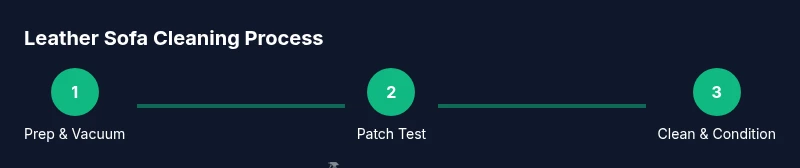
Before you dive into full cleaning, prepare the space and perform a patch test. Clear the area, vacuum the sofa and surrounding cushions, and lay down a soft towel to catch drips. Patch test your cleaner on an inconspicuous area such as the inside arm or beneath a cushion. If there’s no discoloration after 24 hours, you can proceed with confidence. This proactive check helps you avoid staining or color loss and is a crucial part of how to clean a leather sofa effectively. If the patch test shows any color transfer or texture change, stop and switch to a milder product or seek professional guidance. Patch testing reduces risk and keeps the process under your control.
Everyday cleaning routine: quick maintenance
For day-to-day care, lightly dust and wipe with a damp microfiber cloth. Use minimal moisture—excess water can damage leather. Gently wipe in the direction of the grain to lift dirt without rubbing it into the surface. A weekly 5-minute routine can prevent buildup and keep the sofa looking vibrant. This routine is part of how to clean a leather sofa for long-term health: it reduces stains, helps prevent drying, and minimizes the need for heavy cleaning later. Always finish by drying with a clean, dry cloth to remove any residual moisture.
Deep cleaning methods for stubborn soils
When dirt becomes embedded, a deeper clean is necessary. Use a small amount of pH-balanced leather cleaner on a soft cloth, then wipe in circular motions. Do not soak the leather; moisture is the enemy. For textured areas, use a soft brush to lift dirt from pores without abrading the surface. After cleaning, wipe away any residue with a damp cloth and dry thoroughly. If your sofa is heavily soiled, consider a dedicated leather cleaning product with a mild formula and avoid aggressive scrubbing. This approach improves how to clean a leather sofa by restoring surface appearance while preserving flexibility and preventing cracking over time.
Stain removal guide: ink, oil, beverages, and more
Stains require targeted action. For oil-based spills, blot gently with a dry cloth, then apply a small amount of cleaner on a cloth and work from the outside edge toward the center to prevent spreading. For ink, use a mild solvent recommended by your cleaner brand and test first. For beverages like coffee or wine, blot gently, apply cleaner to a cloth, and wipe in a circular motion before drying. Remember, patience matters: aggressive scrubbing can embed stains and damage finish. With practice, you’ll learn how to clean a leather sofa effectively without compromising the material’s integrity, and Cleaning Tips suggests documenting successful methods for future reference.
Conditioning and protection for longevity
Conditioning is essential to maintain suppleness and prevent cracking. After cleaning and drying, apply a pH-balanced conditioner using a soft cloth in small, circular motions. Allow it to absorb, then buff lightly with a dry cloth. Conditioning helps restore moisture lost over time and provides a protective layer against spills and daily wear. For best results, follow your product’s instructions and reapply as recommended. Regular conditioning, paired with proper cleaning, is a cornerstone of how to clean a leather sofa effectively across seasons and usage patterns.
Drying, curing, and odor control
Moisture is the enemy of leather, so ensure you dry thoroughly after cleaning. Air dry away from direct heat or sunlight, which can dry out the leather unevenly. If you notice any residual odor, ventilate the room and wipe with a lightly damp cloth followed by conditioning. Avoid direct humidifying devices near the sofa, which can encourage mildew. A properly dried surface reduces the risk of future stains penetrating deeper and helps maintain the natural patina of the leather. This step completes the core process of how to clean a leather sofa with lasting results.
Maintenance schedule and when to call pros
Set a cleaning cadence that matches your household’s activity level. A light wipe-down weekly, a deeper clean monthly, and conditioning every 3–6 months suits most fabrics. If stains persist after multiple attempts, or if your sofa shows deep cracking, color changes, or unusual stiffness, professional cleaning is advised. Cleaning Tips recommends seeking expert assistance for severe issues to prevent further damage and preserve the sofa’s value. A proactive schedule reduces the risk of costly repairs and keeps leather looking its best for years.
Tools & Materials
- Microfiber cloths(Soft, lint-free; use at least two)
- Vacuum with soft brush attachment(Clean surface before cleaning)
- pH-balanced leather cleaner(Designed for leather; avoid detergents)
- Distilled water(Use sparingly for dampening cloth)
- Second clean cloth for drying(Dry surface after cleaning)
- Leather conditioner(Choose conditioner suitable for your leather finish)
- Soft-bristle brush (optional)(For textured surfaces, use gently)
- Spray bottle(For even cleaner application)
Steps
Estimated time: 30-60 minutes
- 1
Prepare the workspace
Clear area, remove cushions, and place towels to catch spills. This reduces mess and helps you work efficiently.
Tip: Lay down a drop cloth to protect nearby furniture. - 2
Vacuum the surface
Use a soft brush attachment to remove dust, pet hair, and loose dirt from all seams and cushions.
Tip: Move gently; vigorous vacuuming can drive dirt deeper. - 3
Patch test cleaner
Apply a small amount of cleaner on a hidden area and wait 24 hours to check for color change or finish damage.
Tip: If any change occurs, select a milder product. - 4
Apply cleaner to cloth, not directly to leather
Dampen the cloth and wipe the surface with light, circular motions, focusing on stained areas.
Tip: Avoid soaking the leather; moisture causes damage. - 5
Gently treat stains
For stubborn stains, blot from the outside edge inward using clean, damp cloths. Do not rub aggressively.
Tip: Always blot rather than rub to minimize spreading. - 6
Rinse and remove cleaner
Wipe with a clean, slightly damp cloth to remove any cleaner residue, then pat dry with a towel.
Tip: Residual cleaner can lead to finish dullness if not removed. - 7
Dry completely
Let the sofa air dry away from heat and direct sun. Ensure no damp patches remain.
Tip: Open room ventilation to speed drying. - 8
Apply conditioner
Once dry, apply a small amount of conditioner with circular motions and allow to absorb.
Tip: Test conditioner direction on a hidden area if uncertain. - 9
Buff and inspect
Buff with a clean cloth to restore shine and inspect for spots requiring extra attention.
Tip: A light buff enhances even color and texture. - 10
Store care notes for future
Record what worked for your leather sofa so you can repeat successful steps later.
Tip: Keep a note of product brands and timings for reference.
Questions & Answers
Is it safe to use water-based cleaners on all leather finishes?
Water-based cleaners can be safe on many leather finishes, but some finishes are sensitive to moisture. Always patch test and choose a product labeled for leather. If uncertain, consult the manufacturer’s guidelines or Cleaning Tips for recommended options.
Water-based cleaners can be safe for many finishes, but patch testing is essential. If in doubt, check the manufacturer’s guidance or Cleaning Tips for recommended products.
How often should I condition my leather sofa?
Condition every 3-6 months, depending on use and climate. In dry environments, more frequent conditioning may be beneficial to prevent cracking. Always follow the product’s instructions.
Condition every 3 to 6 months, or more often if your area is dry. Follow the product’s directions.
What should I do about ink stains on leather?
Ink stains require a mild solvent recommended by your cleaner brand and patch testing first. Avoid aggressive scrubbing and seek professional help if the stain persists.
Ink stains need a gentle solvent and a patch test first. Don’t scrub hard—consider a professional if it lingers.
Can I use household cleaners on leather?
Most household cleaners are too harsh for leather and can cause drying or staining. Use pH-balanced leather cleaners designed for furniture and always patch test.
Avoid household cleaners; choose leather-specific products and test first.
What’s the best way to dry leather after cleaning?
Air dry away from direct heat or sun. Ensure the surface is completely dry before applying conditioner to avoid trapping moisture.
Let it air dry away from heat, then condition once fully dry.
When should I call a professional?
If stains persist after multiple attempts, or if you notice cracking, drying, or color changes, professional cleaning can prevent further damage and preserve value.
Call a pro if stains don’t budge or if you notice cracking or color changes.
Watch Video
The Essentials
- Test cleaners first to prevent damage
- Clean with minimal moisture and gentle motions
- Condition after cleaning to preserve suppleness
- Avoid harsh solvents and household detergents
- Regular maintenance extends leather life