How to Clean a Penny: Safe, Gentle Methods
Safe, practical penny cleaning: learn prep steps, gentle methods, warnings, and storage tips for best results.


Learn safe, practical methods to clean a penny without damaging its surface or value. This guide covers pre-clean checks, mechanical cleaning, and gentle chemical approaches, plus when to avoid cleaning to preserve numismatic value. You'll see why some methods work, how to test on a sample coin, and how to finish with a patina-friendly rinse. This overview also outlines common mistakes and a quick decision flow for whether cleaning is appropriate today.
The Why and When of Cleaning a Penny
Many hobbyists wonder how to clean a penny to brighten its appearance, but the decision to clean should be guided by the coin's potential value and its historic patina. According to Cleaning Tips, most pennies respond to gentle cleaning, but coins with numismatic value or rare dates should be left untouched. In this section we explore why cleaning might be tempting, what you risk, and how to decide whether to proceed. We will cover common household methods step-by-step, with safety and sustainability in mind. By understanding the differences between tarnish, dirt, and corrosion, you can make an informed choice that respects the coin's history while achieving a cleaner look for everyday keepsakes. The goal is to help you improve appearance without compromising integrity.
This is not just about aesthetics; it’s about responsible cleaning, especially for coins you might someday pass to someone else. If your penny is widely circulated or part of a collection, the Cleaning Tips team recommends avoiding aggressive cleaning techniques that could erode mint luster or reduce collector value.
Pre-clean Considerations: Value, Patina, and Safety
Patina is more than color—it's a record of a coin's age and environment. Cleaning can disrupt this record and, in some cases, cause irreversible damage. If a penny has significant numismatic value or is from a rare date, it’s best to leave it as is. For common post-1970 cents with heavy dirt or surface grime, gentle cleaning can improve visibility of date and design. In this section we outline how to assess risk, how to test a cleaner on a discarded coin first, and how to decide whether the cleaning is worth the effort. Remember, a cleaner that removes grime but leaves the coin dull may be a net loss for a collector, even if it looks brighter at first glance.
From a practical standpoint, keep your expectations realistic: you aren’t restoring a mint-new coin, you’re removing surface buildup that obscures details. The Cleaning Tips approach emphasizes patience, small improvements, and documenting your process for future reference.
Mechanical Cleaning Methods: Brush, Soap, and Water
Mechanical cleaning relies on physical removal of surface contaminants with minimal chemical interaction. The simplest approach uses warm water, a mild dish soap, and a soft-bristled toothbrush or a cotton swab. Gently rub along the raised features, never on the face, and avoid aggressive scrubbing that could scratch copper surfaces. Rinse frequently to prevent soap residue, then air-dry or pat dry with a lint-free cloth. This method preserves patina while removing stubborn dirt, making the coin more legible without altering its character.
Key points include handling coins by the edges and working over a soft towel to catch drips. Always test on a non-valuable sample coin first if you’re unsure how a cleaning action will affect the surface.
Gentle Chemical Options: Vinegar, Salt, and Citrics
If mechanical cleaning isn’t enough, mild chemical options can help remove oxidation or mineral buildup. A common approach uses a small amount of white vinegar with a pinch of salt, briefly soaking a penny for 30–90 seconds, then rinsing thoroughly. Some prefer citric acid solutions or lemon juice for tough grime, but acids can etch copper if left too long. Use the weakest effective solution, monitor closely, and rinse immediately if you see any change in color or texture. This method requires extra caution on coins with potential numismatic value.
Always conduct a test on a scrap coin first and never mix chemicals in metal bowls that could react with copper. After treatment, be sure to rinse with distilled water to remove any acidic residues and dry completely.
Testing on a Sacrificial Coin Before Cleaning the Main One
Before attempting to clean an important penny, designate a discard coin to test your chosen method. Apply your cleaning technique to the test coin for a brief period, then compare how it looks with the original and note any loss of luster, edge detail, or color shift. This step minimizes risk to your actual coin and helps you calibrate time and method. If the test coin shows any damage, stop and reconsider your approach.
Document your test results, including materials used and exposure times, so you can repeat or adjust the method later if needed.
Rinsing, Drying, and Handling After Cleaning
Rinsing is crucial to remove soap and residues that may cling to the coin’s surface. Use distilled water for final rinses to avoid mineral deposits. Pat the penny dry with a soft, lint-free cloth rather than rubbing, which can create micro-scratches. Let the coin air-dry completely before storing. Store cleaned pennies in a cool, dry place away from humidity, acids, or abrasive surfaces. If you plan to keep multiple coins, consider place-marking and separate envelopes to prevent contact and rubbing against other metal objects.
This stage also serves as a last check for any visual or tactile changes that occurred during cleaning.
When to Walk Away: Cleaning Good vs Not
If a penny has any collectible value or if you suspect a rare date or variety, walk away from cleaning and seek professional advice. In many cases, professional numismatists or coin dealers will discourage nonprofessionals from cleaning. If the goal is to preserve history rather than increase market value, non-abrasive cleaning can be acceptable on everyday coins. The key is to avoid processes that strip patina, remove mint marks, or erode surface details.
Quick Decision Flow for Penny Cleaning
- Is the coin common and low-value? Proceed with light cleaning if desired.
- Does the coin have potential numismatic value? Do not clean; seek guidance.
- Do you have a scrap coin for testing? Use it first.
- Are you using mild, non-abrasive methods? Prefer gentle mechanical cleaning over chemical methods.
- Is the coin fully dry before storage? Always ensure complete dryness to prevent corrosion.
This decision flow helps you balance aesthetics with preservation.
Final Guidance: Storage and Long-term Care
After cleaning, consider the coin’s provenance and how you store it. Keep pennies in individual holders or soft envelopes to prevent scratching. Avoid humidity, direct sunlight, and metals that could react with copper (like salt or acidic compounds). If you’re unsure about a coin’s value, consult a local coin club or a professional appraiser. Cleaning should be a last resort for coins you intend to keep long-term, not a quick attempt to boost resale value.
Bonus: Alternatives to Cleaning for Appearance
If you want a brighter look without direct cleaning, consider non-contact approaches like protective display cases, dust removal with microfiber cloths, or gentle polishing from a display standpoint only. These alternatives preserve patina while reducing the risk of surface damage. Remember, the most important aspect is preserving the coin’s history and physical integrity for future collectors to admire.
Tools & Materials
- soft-bristled toothbrush(Newest brush; avoid stiff bristles that can scratch copper)
- mild dish soap(Small amount, standard kitchen soap)
- distilled water(For final rinse if possible)
- bowl or cup(For soaking; use a dedicated container)
- lint-free cloth or microfiber cloth(Pat dry; avoid fibers that shed)
- cotton swabs(Use for tight areas; optional)
- scrap coin for testing(Discard coin used to test cleaning method)
- gloves (optional)(Nitrile gloves to keep oils off coins)
- patience and a quiet workspace(Prevent rushed scrubbing)
Steps
Estimated time: 20-40 minutes
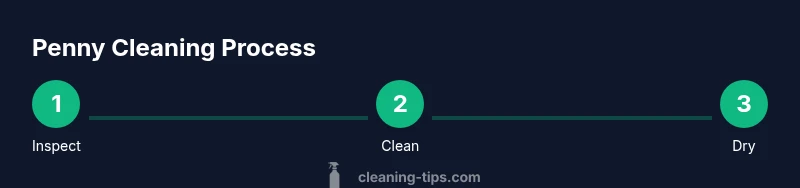
- 1
Inspect the coin
Examine the penny for signs of wear, corrosion, and potential numismatic value. Note date, mint mark, and overall condition. Decide whether cleaning is appropriate based on value and preservation goals.
Tip: If you suspect rarity, skip cleaning and consult a professional. - 2
Gather supplies
Assemble a soft toothbrush, mild soap, distilled water, a cup, and a lint-free cloth. Keeping everything ready reduces the temptation to improvise with harsher tools.
Tip: Use a dedicated cleaning kit for coins to avoid cross-contamination with other metals. - 3
Test on a discard coin
Apply your chosen method to a non-valuable test coin first. Compare before-and-after results to ensure you won’t harm the main coin’s surface or luster.
Tip: Document results so you can repeat or adjust consistently. - 4
Gently scrub with soap and water
Soak the penny in warm water with a drop of mild soap, then use the soft brush to loosen dirt from the edges inward. Rinse frequently to avoid soap residue and dry gently.
Tip: Always scrub lightly and avoid circular rubbing toward the coin’s face. - 5
Optional chemical soak (if needed)
If stubborn buildup remains, test a very mild chemical soak (e.g., diluted vinegar with salt) for a few seconds, then rinse thoroughly. Do not exceed short exposure times.
Tip: Stop immediately if color shifts or surface feels etched. - 6
Dry and assess
Pat dry with a lint-free cloth and allow to air dry completely. Re-check the coin’s appearance and decide whether you’re satisfied with the result or if you should revert to the prior state.
Tip: Handle edges only to avoid fingerprinting the surface.
Questions & Answers
Is it ever a good idea to clean a penny?
Cleaning can improve appearance on common pennies, but it risks patina loss and value. If the coin may be collectible, cleaning is generally discouraged. Evaluate its value and consider non-cleaning display options.
Cleaning can help some common pennies, but it may hurt valuable ones. If you’re unsure, skip cleaning and consult a coin expert.
What cleaning methods should I avoid?
Avoid abrasive polishes, metal polishing compounds, and acidic cleaners on coins. These can scratch the surface, strip patina, and reduce value. Stick to gentle, non-abrasive cleaning if you decide to proceed.
Avoid harsh abrasives and acids; they can permanently damage the coin.
Will cleaning pennies improve their monetary value?
Cleaning rarely increases a penny’s value and often reduces it for collectors. Most coins gain nothing from cleaning and may lose historical integrity.
Most collectors prefer coins in original condition; cleaning generally lowers value.
Can I use toothpaste to clean a penny?
Toothpaste is abrasive and can scratch coin surfaces; it is not recommended for penny cleaning. Stick to gentler methods first and avoid household pastes unless tested on a discard coin.
Toothpaste is abrasive and can damage coins; avoid it.
How should I store pennies after cleaning?
Store cleaned pennies in a dry, acid-free environment, individually in sleeves or envelopes to prevent contact with other metals. Avoid humidity and direct sunlight which can hasten corrosion.
Keep cleaned pennies dry and separated to prevent future damage.
Should I clean a newly found penny?
If the penny is newly found in the ground or part of a potential find, avoid cleaning until a professional appraisal determines its value. Cleaning can irreversibly affect value and authenticity.
New discoveries should be evaluated by an expert before any cleaning.
Watch Video
The Essentials
- Assess value before cleaning any penny.
- Prefer mechanical cleaning with nonabrasive tools.
- Test on a discard coin before touching a valuable one.
- Rinse and dry thoroughly to prevent residue buildup.
- Avoid cleaning valuable coins; seek professional advice.