How to Clean for Bed Bugs: A Step-by-Step Guide
A practical, beginner-friendly guide to cleaning for bed bugs, covering containment, laundering, steam cleaning, and prevention to protect your home from reinfestation.


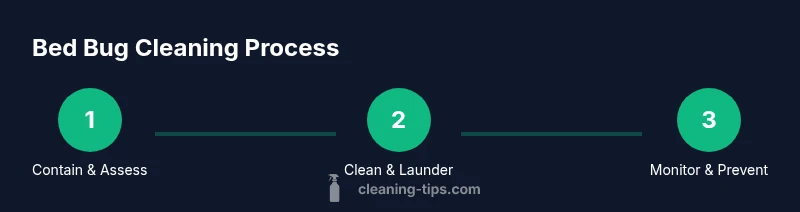
By following this guide, you will learn a proven, step-by-step routine to clean for bed bugs and reduce their presence in your home. The plan covers containment, laundering, steam cleaning, vacuuming, and prevention, with clear actions and safety tips. You’ll know what to do and when to seek professional help for stubborn infestations.
What bed bugs are and why thorough cleaning helps
Bed bugs are small, reddish-brown insects that hide in cracks, seams, mattresses, and furniture. They feed on human blood and can cause itchy welts and sleep disruption. Because they are masters of concealment, a quick wipe-down seldom eliminates them. Thorough cleaning reduces their hiding spots and makes subsequent treatments more effective. According to Cleaning Tips, a well-organized cleaning approach that minimizes clutter and targets infested areas often yields better results than random spot cleaning. The goal is not to “kill all at once” but to expose bed bugs to contained environments that you can treat, monitor, and retreat as needed. Start by identifying rooms with signs such as dark specks of fecal matter, shed skins, or faint musty odors, and note where you find them most frequently. By focusing on the most affected zones first, you minimize the chance of spreading insects to other parts of the home. The Cleaning Tips team emphasizes that this process should be methodical and staged to avoid overwhelming yourself or missing tiny insects in corners.
Containment and safety before you begin
Before you touch any item, isolate the affected area to prevent spread. Close doors, seal off the room with plastic sheeting if available, and remove children and pets to a safe area. Put on PPE such as gloves and a mask to protect yourself from dust and allergens, especially if you are cleaning entrenched debris or dust-heavy fabrics. Cleaning Tips recommends starting with a clear plan: set a loop of steps you will repeat in each room and keep a trash bag handy for disposal of contaminated materials. Safety matters here because bed bugs can hitchhike on clothing and belongings, so minimize movement between spaces until you complete the initial cleanup. If you see signs in multiple rooms, tackle them one room at a time to avoid cross-contamination and to maintain control of the process.
Laundry strategy: fabrics, cycles, and timing
Fabrics play a central role in bed bug hiding. Wash bedding, curtains, clothing, and textiles thoroughly, using the hottest settings recommended on care labels. After washing, dry on the highest heat setting safe for the fabric. If a garment or fabric cannot be heat-treated, seal it in a plastic bag and isolate it while you treat the rest of the house. Laundry is a core part of a bed bug cleaning plan because it helps remove eggs and live bugs from textiles. Cleaning Tips notes that separating infested items from clean ones during this stage reduces spread and improves efficacy of the overall process. Remember to avoid overloading machines so water and heat circulate properly around every item.
Vacuuming and steam: surfaces and fabrics
Vacuuming removes live bugs, eggs, and fecal traces from cracks, seams, and upholstery. Use a vacuum with a hose and crevice tool to reach tight spaces around beds, curtains, and baseboards. Immediately seal and dispose of the vacuum bag or contents in a sealed outside trash bin. For upholstered furniture and fabrics that cannot be laundered, use a steam cleaner on low or medium heat to flush bugs from fibers. Steam is effective on cushions, mattresses edges, and wooden frames when used carefully. Avoid saturating wood or electrical components, and never steam electrical outlets. Cleaning Tips emphasizes patience: repeat sessions over several days to catch newly emerged insects.
Encase, seal, and declutter to reduce hiding spots
Encasements for mattresses and box springs create a barrier that bed bugs cannot penetrate, simplifying monitoring and future cleaning. Seal cracks in beds, headboards, and furniture with appropriate sealants or caulk, then reduce clutter where bugs like to hide. Clearing clutter also makes subsequent inspections easier and reduces the number of places bed bugs can hide between cleanings. The Cleaning Tips team reminds readers that simple organizational steps can dramatically improve the efficiency of your cleaning routine and prevent re-infestation.
Handling infested items and storage: what to do with belongings
Items that have sustained significant bed bug contact may need special handling. Place infested textiles in sealed bags or bins until they can be laundered or treated. Do not move contaminated items through other rooms unnecessarily; this is how infestations spread. For furniture that cannot be cleaned or laundered, consider professional treatment or careful disposal according to local regulations. Cleaning Tips recommends labeling contaminated items and maintaining a clean, organized workflow to minimize recontamination risk.
Aftercare: prevention and monitoring
After the main cleaning, set up ongoing monitoring to catch signs early. Use bed bug interceptors under bed legs and inspect the seams of mattresses regularly. Keep clutter to a minimum in bedrooms and around sleeping areas, and conduct periodic vacuuming and laundering as a routine maintenance practice. The Cleaning Tips analysis suggests that consistent, proactive cleaning combined with monitoring yields better long-term results than one-off efforts. Establish a weekly check-in routine to track signs and adjust your plan as needed.
When to call a professional
If you notice persistent signs of bed bugs after your cleaning efforts, or if the infestation involves multiple rooms or heavy hiding places, seek professional help. A licensed pest control operator can assess the extent of the infestation and recommend integrated treatments. Cleaning Tips advises that professional intervention is often a necessary step for larger problems, while thorough cleaning remains a critical foundation for any follow-up treatments.
Common myths vs. realities
Myth: Decluttering alone will remove bed bugs. Reality: Decluttering helps, but it does not eliminate them without targeted cleaning and treatments. Myth: Pesticides alone will fix everything. Reality: Pesticides are rarely sufficient by themselves and should be used only under professional guidance. Myth: Infestations go away on their own. Reality: Bed bugs reproduce quickly and require decisive, staged action. The Cleaning Tips approach emphasizes evidence-based steps and avoidance of risky DIY shortcuts.
Tools & Materials
- Vacuum cleaner with hose and crevice tool(Use a vacuum with a sealed bag; empty outside immediately after use)
- Vacuum bags or HEPA-filtered vacuum (bagless)(Dispose bag outside after use; seal before disposal)
- Microfiber cloths(For dusting and wiping seams and frames)
- Large trash bags (heavy-duty)(Contain and transport contaminated items)
- Plastic storage containers with tight lids(Isolate infested items during cleaning)
- Mattress encasement (zippered, bed bug proof)(Protect mattress/box spring from future exposure)
- Steam cleaner(Use on fabrics, curtains, and upholstery)
- Laundry detergent and oxygen bleach(For fabrics; check care labels)
- Bedding and textiles for washing(Launder on hot/high heat settings per care labels)
- Gloves, mask, and protective clothing(Minimize exposure to allergens and dust)
- Sealable bags for disposal(Seal contents after cleaning)
- Pest-control-safe surface cleaners(Use only as directed by professionals)
Steps
Estimated time: 4-6 hours for initial cleaning; ongoing monitoring over the next 2-4 weeks
- 1
Isolate the area
Close the room off and remove children and pets. Set up a clear plan for the cleanup and ensure you have all tools ready before you begin.
Tip: Create a boundary so bed bugs don’t spread to other rooms. - 2
Put on PPE
Wear gloves, a mask, and protective clothing. This reduces exposure to dust, allergens, and any contaminants.
Tip: Avoid touching your face during the process. - 3
Declutter to reduce hiding spots
Remove unnecessary items from the room and store belongings in sealed containers to limit hiding places.
Tip: Less clutter makes inspections and cleaning more effective. - 4
Vacuum thoroughly
Vacuum the mattress edge, seams, furniture tufts, baseboards, and floor cracks. Move slowly to catch hidden pests and eggs.
Tip: Immediately seal and dispose of vacuum contents outside. - 5
Launder textiles hot
Wash bedding, curtains, and washable textiles on the hottest settings allowed by care labels, then dry on high heat.
Tip: Handle dirty textiles with gloves to avoid transferring pests. - 6
Steam clean where needed
Use steam on upholstery, curtains, and wooden frames where fabric can tolerate moisture.
Tip: Do not saturate wood or electrical components. - 7
Encase and seal
Encase the mattress and box spring, seal cracks in the bed frame and nearby furniture, and store cleaned items in sealed containers.
Tip: Encasements simplify monitoring and future cleanings. - 8
Monitor and plan ongoing care
Set up monitoring tools such as interceptors and schedule regular inspections. Plan for follow-up cleanings as signs appear.
Tip: Document signs to detect patterns and adjust actions. - 9
Know when to seek help
If signs persist after the initial effort or infestations span multiple rooms, contact a licensed pest professional.
Tip: Professional guidance often shortens the duration of an infestation.
Questions & Answers
What are bed bugs and why is cleaning important?
Bed bugs are small insects that hide in cracks and seams and feed on blood. Cleaning is important because it reduces hiding places, removes eggs and debris, and prepares surfaces for any targeted treatments. A well-executed cleaning plan makes subsequent steps more effective.
Bed bugs hide in cracks and feed on blood; cleaning reduces hiding spots and prepares surfaces for treatment.
Can cleaning alone eliminate an infestation?
Cleaning alone rarely eliminates a full infestation, especially in larger or multi-room cases. It is a foundational step that reduces hiding spots and creates conditions for more effective treatments, whether performed by you or a professional.
Cleaning helps reduce hiding places, but you may need professional help for larger infestations.
What temperatures are safe for laundering and drying?
Wash textiles on the hottest settings permitted by care labels and dry on the highest heat safe for the fabrics. This helps kill bed bugs and eggs embedded in fabric fibers.
Use the hottest settings allowed on fabrics and dry on high heat.
Should I move items between rooms during cleaning?
Limit movement of potentially infested items between rooms to prevent spreading. Bag or seal items when transporting them to another area and clean them in the new space before returning.
Don’t move suspected items around; seal them and clean where they’re kept.
How long can bed bugs survive without a host?
Bed bugs can survive for several weeks to months without feeding, depending on conditions. Regular monitoring and continued cleaning help catch any survivors early and prevent reestablishment.
They can survive without a host for weeks or months; keep monitoring.
Is it ever appropriate to throw away infested furniture?
Discarding heavily infested items is sometimes necessary, but it should be done carefully to avoid spreading pests. Always bag the item and follow local disposal guidelines, and consider professional advice for large pieces.
If furniture is highly infested, professional guidance helps decide disposal versus treatment.
Watch Video
The Essentials
- Start with containment and safety, then attack textiles and hiding places.
- Launder fabrics on hot/high heat and use steam where appropriate.
- Encase mattresses and seal entry points to prevent reinfestation.
- Monitor regularly and plan for professional help if signs persist.