How to Clean for Fleas: A Practical Home Guide for Flea Control
Learn a complete, step-by-step method to clean for fleas in your home. This practical guide covers vacuuming, washing, pet care, and ongoing prevention to reduce flea problems and protect your family and pets.


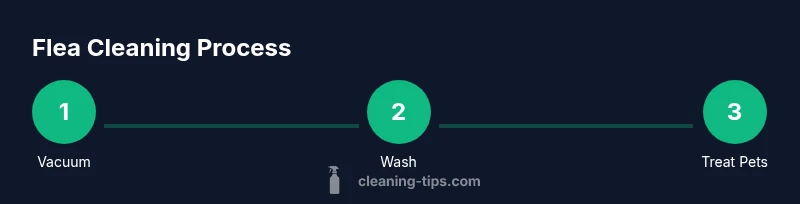
To clean for fleas effectively, start with a thorough, multi-step plan: vacuum all carpets and upholstery, wash pet bedding on hot cycles, treat pets with vet-approved flea products, and empty vacuum bags immediately. Next day, re-vacuum and wash fabrics, then repeat for several days to break the flea life cycle. Pair cleaning with ongoing pet treatment for lasting relief.
Understanding Fleas in Homes
Understanding the flea life cycle is essential when learning how to clean for fleas. Fleas progress through eggs, larvae, pupae, and adults. Eggs and larvae accumulate in carpets, pet bedding, and baseboards, while pupae remain dormant until vibrations, heat, or CO2 signal a nearby host. Adults jump between hosts and feed, but without interrupting the cycle, infestations persist. Cleaning Tips emphasizes that physical cleaning alone rarely solves the problem—pet treatment and environmental control are both required. This broader approach aligns with how to clean for fleas in real homes, where pets and people share space. By recognizing where fleas lay eggs and how heat and moisture influence development, you can target cleaning efforts more effectively.
thorough
null
Tools & Materials
- HEPA vacuum with crevice tool(Vacuum edges, corners, and under furniture; dispose of contents outside immediately after use.)
- Steam cleaner or damp mop(Use on hard floors to reach crevices where fleas hide; avoid soaking wooden floors.)
- Hot water-wash capable washing machine(Wash pet bedding and fabrics on the hottest safe setting.)
- Pet-safe flea shampoo or grooming wipes(Follow product directions and avoid mixing with cleaners.)
- Old sheets or towels(Cover surfaces during cleaning to prevent flea transfer and protect furniture.)
- Trash bags and sealed containers(Seal and dispose of vacuum bags outside to prevent re-infestation.)
- Flea comb(Use on pets between baths to remove active fleas and eggs.)
- Cleaning gloves(Protect hands during handling of soiled fabrics and waste.)
- Ventilation options (fans or open windows)(Help dry surfaces and reduce humidity after cleaning.)
Steps
Estimated time: 4-6 hours (plus drying time for fabrics)
- 1
Gather supplies
Collect all tools and materials before starting to ensure a smooth, uninterrupted cleaning session. This minimizes backtracking and reduces the chance of fleas escaping during the process.
Tip: Lay out everything on a clean surface so you can grab items quickly without leaving rooms. - 2
Vacuum thoroughly
Vacuum all carpeted areas, upholstered furniture, and pet resting spots. Pay special attention to seams, edges, and under furniture where eggs and larvae hide. Empty the vacuum bag or canister outside immediately after use to prevent flea escape.
Tip: Go slow and use the crevice tool to reach tight gaps; vacuum twice if possible over the same area. - 3
Wash pet bedding and fabrics
Wash all pet bedding, blankets, and fabrics that touch your pets in hot water. Dry on high heat to kill eggs and larvae. This should be done on a regular cycle during an active flea infestation.
Tip: Even items not obviously dirty can harbor eggs; treat them as part of the cleaning plan. - 4
Treat pets with vet-approved products
Apply a veterinarian-approved flea treatment to your pets as directed. This is essential to stop adults from feeding and breeding and to prevent re-infestation of the environment.
Tip: Consult a vet if you’re unsure which product is best for your pet’s age, weight, and health. - 5
Launder and sanitize fabrics
Launder curtains, throw blankets, and other washable fabrics in hot cycles. Consider steam cleaning upholstered furniture if feasible and safe for the fabric.
Tip: Avoid over-wetting upholstered items to prevent mold growth. - 6
Repeat cleaning cycle daily
Fleas can rebound as eggs hatch; repeat vacuuming and washing every day for 5–7 days, then scale back to a weekly rhythm until you see no activity.
Tip: Keep pets separated from treated areas for a few hours if possible to maximize product effectiveness. - 7
Vaccinate and monitor pet areas
Continue regular pet grooming and monitor sleeping areas for signs of fleas. Replace bedding and reseal cleaning tools to avoid residual contamination.
Tip: Maintain a clean schedule even after the immediate infestation is resolved. - 8
Establish ongoing prevention
Set up a routine that includes regular vacuuming, fabric washing, and periodic pet care to minimize the chance of future fleas taking hold.
Tip: Use non-toxic, pet-safe cleaners for ongoing maintenance.
Questions & Answers
Do I need pesticides in my home to control fleas?
Pesticides may be considered in severe infestations, but most effective flea control combines cleaning with pet treatment. Always consult a professional and follow label directions for any indoor products.
In many cases, cleaning plus pet treatment is enough, but consult a vet or pest professional for products and advice.
How long does it take to see results after cleaning for fleas?
Results vary, but consistent cleaning and pet treatment typically reduce flea activity within a week. Ongoing monitoring is important to prevent re-infestation.
Most people notice fewer fleas within a week with steady cleaning and treatment, but it may take longer in large homes.
Can fleas survive on my pet after cleaning the house?
If pets aren’t treated, fleas can re-infest the home. Treat both your pet and environment to break the cycle and reduce re-entry.
Pets need ongoing flea care; cleaning alone won’t keep fleas away for long.
Are flea shampoos enough to solve the problem?
Shampoos help remove some fleas but don’t kill eggs or larvae in the environment. Use shampoos as part of a broader plan that includes cleaning and environmental control.
Shampoos are helpful, but don’t rely on them alone for a full solution.
Should I vacuum daily during a flea outbreak?
Daily vacuuming for several days can significantly reduce flea numbers by removing eggs and larvae. Combine this with washing and pet treatment for best results.
Vacuum daily for a few days during an outbreak, then continue on a regular schedule.
How often should I wash pet bedding?
Wash pet bedding weekly during a flea problem, using hot water and high heat to kill eggs and larvae.
Wash bedding regularly during a flea problem to prevent re-infestation.
Watch Video
The Essentials
- Vacuum, wash, and treat pets in tandem.
- Disrupt the flea life cycle with repeated cleaning.
- Always follow up with pet-safe flea control.
- Monitor areas and adjust as needed for ongoing prevention.