How to Clean Stuffed Animals: A Practical Guide
Learn gentle, practical methods to clean stuffed animals without damage. This Cleaning Tips guide covers care labels, machine vs hand washing, drying, stain treatment, and allergen-aware maintenance for a healthier home.


You will learn how to clean a stuffed animal safely using gentle washing methods that preserve fabric and color. This guide explains how to read care labels, choose between hand washing and machine washing, and how to dry and fluff plush toys so they stay soft, safe, and inviting. It also covers common mistakes and quick touch-ups for a refreshed plush. Follow these steps to protect plush integrity and minimize allergens.
Why clean stuffed animals matters
Stuffed animals collect dust, skin oils, spit, food particles, and bacteria from everyday play. Regular cleaning reduces allergen exposure for kids with sensitivities and helps prevent odors from building up in the fabric. Cleaning also extends the life of plush toys by maintaining fiber loft and preventing fiber breakage from dry skin or stiff cleaners. Cleaning Tips analysis shows that a simple routine can keep a well-loved plush clean without harsh chemicals. In households with pets or small children, a monthly surface refresh plus an occasional deeper clean is a practical balance. Before you begin, know that many stuffed animals are designed to be washed; others have removable parts or delicate materials. Always start with the care label as your north star, and tailor the method to the toy’s fabric and construction. In this section we’ll cover quick checks, the best cleaners to use, and how often to clean different types of plush toys. By investing a small amount of time, you’ll prevent grime buildup, keep colors vibrant, and protect the toy’s stuffing from clumping. A clean plush toy is not just nicer to hug; it’s healthier for the whole family.
According to Cleaning Tips, regular cleaning helps reduce dust and allergens in a kid’s room, especially when toys share play spaces with pets or siblings.
Reading care labels and choosing a method
Care labels on plush toys tell you if the item is machine washable or requires gentler treatment. Start by locating the tag sewn into a seam; look for a washing symbol (a tub with water lines), color-fast indicators, and any text such as "hand wash only" or "do not tumble dry." When a toy says machine wash, check the water temperature recommendation (cold or warm) and the cycle type (delicate or gentle). For fragile fabrics like velvet, plush blends, or toys with accessories, you may need to hand wash or place the item in a mesh laundry bag. If the label warns "do not wash" or if the toy has electronics, you should opt for surface cleaning with a mild cleaner or a wipe-down instead of soaking. Cleaning Tips suggests testing a small inconspicuous area with your chosen cleaner first to ensure no color bleed occurs. Keeping a tiny cleaning log helps you remember which toys require which method. In short, the care label is your guide; deviations can affect color, stuffing, or seams.
Quick refresh: surface cleaning techniques
For a light refresh, start with a dry brush to loosen surface dust, followed by a gentle wipe with a damp cloth and a mild detergent solution. Work in small circular motions, focusing on heavily used areas like paws and faces. Use less water than you think; you don’t want to saturate the fabric. After wiping, pat the surface with a clean towel to lift moisture and speed up air-drying. This method is ideal for keep-clean between deeper washes and is safer for toys with glued-on features. Always test first on an inconspicuous area to avoid color transfer.
Machine washing vs hand washing: pros and cons
Machine washing, when allowed on the care label, provides a thorough clean and can refresh plush quickly. It is best for sturdy fabrics and toys without electronics. Use a mesh bag, cold water, and a delicate cycle to protect seams and fur. Hand washing is gentler, suitable for fragile fabrics or older toys with sentimental value. Fill a basin with lukewarm water and a small amount of mild detergent; soak briefly, then gently squeeze but never wring. Rinse thoroughly and remove excess moisture. Consider the toy’s stuffing as well—some fibers clump when over-wetted, while others recover if gently fluffed after drying. Cleaning Tips notes that combining both methods can work when you space out deeper cleans across the year.
Drying carefully and fluffing plush fabrics
After washing, avoid high heat which can warp filling. Gently squeeze or blot to remove excess moisture, then lay flat on a clean towel or drying rack. Reshape ears, noses, and limbs while the toy is still slightly damp so they dry in the correct form. If you use a dryer, select a no-heat or air-dry option in short bursts, removing the toy every 10-15 minutes to fluff. A cool hair dryer can help fluff the fur, but keep it moving to prevent hotspots. Never leave a stuffed animal near direct sunlight or heat sources for extended periods, as this can fade colors and stiffen fibers.
Odor control and stain treatment
For persistent odors, sprinkle a light amount of baking soda on the surface once dry, wait 15 minutes, and brush away. For stains, treat with a small dab of detergent on the spot and blot rather than scrubbing. Odor control can also come from fresh air; drying near a window with gentle airflow helps. Avoid strong solvents that may weaken fabrics. If stains persist, repeat the stain-treat step or seek professional cleaning for valuable or heirloom toys.
Special cases: delicate fabrics and battery-operated toys
Delicate fabrics such as mohair, silk-like blends, or plush with lace trims require extra care. Use hand washing or spot cleaning only, and air-dry away from heat. Toys with electronic parts or battery compartments should be cleaned by wiping the exterior only; never submerge. If a toy has plastic eyes or nose parts, avoid soaking to prevent loosening. For heavily soiled or moldy plush, consider professional cleaning services for best results.
Maintenance routine and safe storage tips
Create a simple cleaning calendar, e.g., light wipe-downs every 2-4 weeks and a full wash every 3-4 months depending on use. Store plush toys in a cool, dry place away from direct sunlight to prevent color fading. Place them in breathable fabric bins or on shelves with adequate spacing to avoid crushing. Regularly check for loose threads, damaged stitching, or loose accessories and repair promptly to prevent further damage. When storing, protect against pests by using sealed containers and keep toy sets separate from non-play items.
Common mistakes to avoid
Avoid soaking toys with glued-on features or electronics. Don’t use high heat in dryers or irons to smooth fur; heat can melt fillings and distort fabric. Never mix bleach with colored fabrics; it can cause discoloration. Over-wetting plush can lead to mildew and odor. Finally, skipping the care label and using a one-size-fits-all method increases the risk of damage.
Tools & Materials
- mild, unscented laundry detergent(Use a small amount and cold water to protect colors)
- mesh laundry bag(Place delicate toys inside to prevent snagging)
- soft-bristled brush or clean cloth(For spot cleaning and fluffing)
- washing machine with delicate cycle(Choose cold water and gentle spin)
- basin or sink for hand washing(Alternative to machine washing)
- towels for blotting and absorption(Use to remove excess moisture)
- drying rack or air-drying space(Avoid direct heat; use cool air if available)
Steps
Estimated time: 1.5-2 hours total (including drying time)
- 1
Gather supplies
Collect detergent, mesh bag, towels, and a soft brush. Confirm the care label and assemble items before starting to avoid mid-task interruptions.
Tip: Have a dry surface ready and keep pets away. - 2
Check care label and plan method
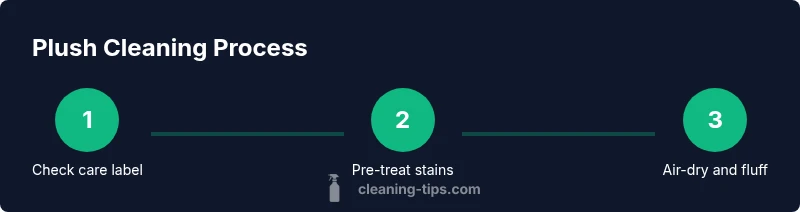
Read the toy's label to decide between machine wash, hand wash, or surface cleaning. Align the method with fabric and attachments to avoid damage.
Tip: If in doubt, opt for hand washing. - 3
Pre-treat stains gently
Dab stains with a small amount of detergent or stain remover suitable for fabrics. Gently rub with a soft brush to lift soil without fraying fibers.
Tip: Test colorfastness on an inconspicuous area first. - 4
Wash using the chosen method
Place the toy in a mesh bag and run a delicate wash cycle on cold water, using minimal agitation. Stop and re-check if seams shift.
Tip: Avoid overloading the machine and use a gentle cycle. - 5
Dry carefully and fluff
Remove excess water by blotting with towels, then air-dry on a flat surface or rack away from direct sun. Fluff the fur with a soft brush once dry.
Tip: Never use high heat; heat can warp stuffing. - 6
Inspect and restore
Check for remaining stains or odor. If needed, repeat cleaning steps or perform a light surface wipe.
Tip: A quick scent refresh can be done with baking soda dusted and left for 15 minutes, then brushed away.
Questions & Answers
Can all stuffed animals be machine washed?
No. Some plush toys have delicate fabrics or electronic components that require hand washing or surface cleaning. Always follow the care label.
Most plush toys that say machine washable can be cleaned on a gentle cycle with cold water, but always follow the label.
How do I clean stuffed animals with delicate fabrics like mohair?
Delicate fabrics should be hand washed or surface cleaned with a gentle agent. Avoid soaking and squeezing to prevent fiber damage.
Delicate mohair or similar fabrics should be washed by hand or wiped clean gently.
Can I use bleach or fabric softener on stuffed animals?
Bleach and fabric softeners can damage colors and fibers. Use mild detergent and skip softeners for best results.
Avoid bleach and fabric softener; they can harm the plush and colors.
What should I do about stuffed animals with batteries?
Remove batteries and electronic parts before cleaning. Clean the shell by surface wipe only to prevent damage to electronics.
Never soak toys with batteries. Remove parts and clean only the fabric exterior.
How often should I clean stuffed animals?
Aim for a light wipe-down monthly and a deeper clean every 3-6 months, depending on use and exposure to pets.
A quick monthly wipe-down plus a deeper clean every few months keeps them fresh.
Watch Video
The Essentials
- Check the care label first
- Use gentle detergents and cold water
- Air-dry and fluff; avoid high heat
- Regular, light cleanings prevent buildup