How to Clean a Wedding Ring: A Practical Guide
Learn how to clean a wedding ring safely with metal-specific tips and gentle cleaners. This step-by-step guide from Cleaning Tips covers gold, silver, and diamond rings to protect settings.


According to Cleaning Tips, you can safely clean a wedding ring by identifying its metal and stones, preparing a mild soap solution, and using a soft brush with gentle rinsing. Test on a hidden area first, avoid harsh chemicals, and dry with a microfiber cloth to restore sparkle without risk.
How to identify your ring before cleaning
Before you reach for soap and water, you must know what you're cleaning. The safest approach starts with identifying the metal (gold, platinum, silver, or other alloys) and the type of stones (diamond, ruby, emerald, pearl, opal, etc.). Some gemstones are porous or delicate and require special care. How to clean wedding ring safely begins with this quick check, because the wrong cleaner or contact can loosen stones or dull metal. According to Cleaning Tips, different metals respond to gentle cleansers in distinct ways, so knowing the composition helps tailor the method. Always inspect for loose stones, bent prongs, or visible wear before cleaning; if you notice any, stop and seek professional help.
Cleaning methods by metal type
Gold, platinum, and silver rings each respond differently to moisture and cleaners. Gold is generally forgiving, but low karat gold can react to acids. Platinum is hard-wearing but can develop fine scratches from abrasive materials. Silver tarnishes quickly and benefits from gentle polishing and a soft cloth. For rings with gemstones, stability of settings matters; avoid soaking stones that are porous or fragile, like opals or pearls. If you are unsure, consult a professional. Remember: a ring with tight settings or prongs in need of repair should not be cleaned aggressively; the ring deserves professional attention to avoid losing stones.
Safe cleaning solutions and tools
Using plain soap and warm water is safe for most rings. In Cleaning Tips analysis, mild dish soap with warm water effectively dissolves oils without harming metals or common gemstones. For diamond or sapphire rings, a soft-bristled brush helps dislodge dirt without scratching. Avoid ammonia-based cleaners, which can damage metals and coatings; use a dedicated jewelry cleaner only if recommended for your ring type. Always rinse thoroughly to remove any soap residue that can dull metal or leave film on stones.
When to avoid water or harsh cleaners
Some materials and stones require extra care. Pearls, opals, and certain treated stones can be damaged by soaking or acidic solutions. If your ring contains porous stones, or if the setting looks loose, stop cleaning and visit a professional jeweler. Ultrasonic cleaners should be avoided for rings with delicate settings, as vibrations can loosen stones or damage prongs. If you insist on at-home cleaning, use only water and mild soap and keep sessions brief.
Step-by-step quick reference (overview)
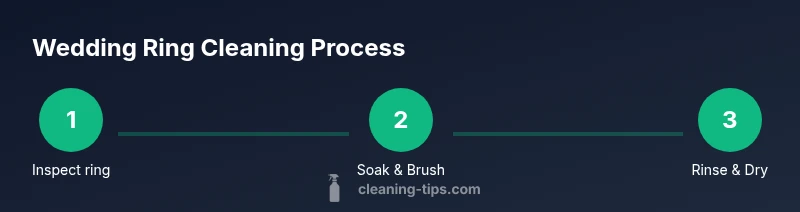
- Step 1: Inspect the ring for loose stones or bent prongs. If you identify any issues, do not proceed with cleaning.
- Step 2: Gather your materials and set up a small bowl of warm, soapy water.
- Step 3: Soak the ring for 5–10 minutes, if stones are stable and not porous.
- Step 4: Gently brush with a soft-bristled toothbrush, moving in small circles.
- Step 5: Rinse under lukewarm running water, then dry with a microfiber cloth.
This section is a quick reference; for full details, follow the full step-by-step guide later in this article.
Maintenance and storage tips
Store your ring separately in a soft pouch or lined jewelry box to prevent scratches. Put rings on last when dressing to avoid exposure to lotions, perfumes, and hairspray. Clean regularly but avoid over-cleaning, which can wear metal plating or prongs. If you wear rings daily, perform a gentle clean monthly; for rings with intricate settings, consider a professional cleaning every 6–12 months.
Common mistakes to avoid
- Using abrasive toothpaste or baking soda paste on gemstones; this can scratch surfaces.
- Soaking rings with soft stones too long.
- Using chlorine bleach or ammonia cleaners near gold or rhodium-plated finishes.
- Skipping testing on a hidden area before full cleaning.
Verdict
The Cleaning Tips team recommends sticking to mild soap, warm water, and a soft brush for most wedding rings. Reserve professional cleaning for rings with fragile stones or loose settings. Consistent, gentle care protects the ring's sparkle and longevity.
Tools & Materials
- Mild dish soap(Use a few drops in warm water; avoid harsh detergents.)
- Warm water(Do not use hot water, which can weaken adhesives.)
- Soft-bristled toothbrush(New or dedicated for jewelry; soft bristles only.)
- Small bowl(Glass or ceramic; makes soaking easy.)
- Microfiber cloth(For drying and polishing to avoid scratches.)
- Optional jewelry cleaner(Only if labeled safe for your ring's metal and stones.)
- Baking soda(Only for gentle tarnish removal on metal; avoid on porous stones.)
- White vinegar(Use sparingly; avoid on certain stones.)
Steps
Estimated time: 20-30 minutes
- 1
Inspect the ring for damage
Look for loose stones, bent prongs, or scratches. If you see any issues, stop and consult a professional before cleaning.
Tip: Do not press or twist stones; damaged settings can worsen. - 2
Gather materials and set up
Lay out your soap, warm water, brush, and cloth. A clean workspace reduces the risk of dropping the ring.
Tip: Use a dedicated bowl or tray to keep contaminants away. - 3
Prepare cleaning solution
Mix a few drops of mild dish soap into warm water in the bowl. Avoid hot water or strong chemicals.
Tip: Test the solution on a hidden area first if you’re unsure. - 4
Soak the ring
Soak 5–10 minutes if stones are secure and the setting looks intact. Do not soak if you notice damage.
Tip: Soaking helps loosen oils that soap alone can’t remove. - 5
Brush gently
Gently brush along the metal and around the settings in small circular motions. Rinse frequently if the water becomes cloudy.
Tip: Use light pressure to avoid loosening stones. - 6
Rinse thoroughly
Rinse under lukewarm running water to remove all soap residues. Ensure no soap film remains near settings.
Tip: Close the drain or use a strainer to avoid losing the ring. - 7
Dry and inspect again
Pat dry with a microfiber cloth and re-check the setting. Look for remaining water and any loosened stones.
Tip: If you see loosened stones, stop and seek professional help. - 8
Store properly and monitor
Store in a soft pouch or jewelry box; avoid contact with other metals.
Tip: Schedule regular professional cleanings for intricate rings.
Questions & Answers
Can I clean a wedding ring with toothpaste?
Toothpaste is abrasive and can scratch metal and stones. Avoid using it on most rings. Stick to mild soap and water or a jewelry cleaner chosen for your ring.
Toothpaste can scratch metal and stones, so avoid it. Use mild soap and water instead.
Is it safe to soak all rings?
Soaking is safe for many rings, but not for all stones (porous gems like opal or pearl) or settings showing wear. If unsure, skip soaking and brush gently instead.
Soaking is not safe for all rings—check your stones and setting first.
How often should I clean a wedding ring?
Most rings benefit from a gentle cleaning every 4–6 weeks if worn daily. More frequent cleaning may be needed with heavy oils from skin or cosmetics.
Clean once a month or whenever you notice buildup; adjust for daily wear.
Can I use an ultrasonic cleaner?
Ultrasonic cleaners can loosen stones or damage delicate settings. Only use if your jeweler confirms it’s safe for your specific ring.
Ultrasonic cleaners can damage delicate stones; check with a professional first.
What about gold versus platinum rings?
Gold is softer and may need gentler handling; platinum is tougher but can show micro-scratches. Use mild cleaning methods for both and avoid abrasive agents.
Gold needs gentler care; platinum is tougher but still benefits from mild cleaning.
What should I do if a stone looks loose?
If a stone looks loose, stop cleaning and take the ring to a professional jeweler for inspection and possible tightening. Do not continue handling the loose setting.
If a stone seems loose, get it checked by a pro rather than DIY cleaning.
Watch Video
The Essentials
- Identify metal and stone before cleaning
- Use mild soap and soft brush
- Avoid harsh chemicals and ultrasonics
- Dry and inspect for safety after cleaning