How to Clean When You're Drowning: A Practical Guide
Learn how to clean when you're drowning in chores with a practical, step-by-step plan. Use short sprints, the right tools, and smart hacks to reclaim order without burnout.


You're not alone when chores pile up. This guide shows how to clean when you're drowning in mess by turning chaos into a simple, repeatable routine. You’ll prioritize tasks, pick efficient tools, set realistic time blocks, and use quick-clean hacks that restore order without burning out. Follow the steps, and regain control in under an hour for a healthier home.
Why Overwhelm Happens and How to Reframe Cleaning
Cleaning is not just physical effort; it’s mental bandwidth. When the to-do list grows, your brain perceives a looming pile of tasks, which makes even small chores feel insurmountable. The Cleaning Tips team often hears homeowners say they feel like they are drowning in clutter. Rather than pushing through in a single heroic session, adopt a reframing: treat cleaning as a series of tiny habits that you can repeat daily. By focusing on one tiny outcome at a time, you gain momentum and confidence. In this section, we explore the psychology of overwhelm, the difference between procrastination and fatigue, and practical language you can use to set expectations with family members. The result is not perfection, but consistency. And consistency is what transforms a messy home into a manageable space over days, not hours.
Build a 15-Minute Cleanup Sprint Framework
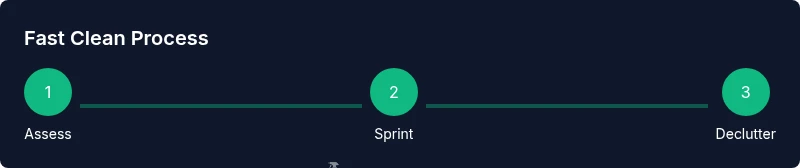
A practical antidote to feeling overwhelmed is the 15-minute cleanup sprint. Set a timer for 15 minutes, select two zones, and aim to complete two tangible outcomes (e.g., clear countertops and sweep the floor). The timer creates urgency and helps you stop before fatigue sets in. After each sprint, note what you finished on a sticky, visible place so you can celebrate progress. This approach turns cleaning into a sequence of small wins, which is essential for motivation on busy days. Over time, these sprints compound into a clean home with minimal friction, which is exactly what Cleaning Tips advocates for busy households.
Essential Tools and Supplies for Quick Cleans
Keep a compact, ready-to-go kit within arm’s reach. You’ll need microfiber cloths, a spray bottle with all-purpose cleaner, a roll of paper towels, a small bucket with warm water, trash bags, a sponge for stubborn grime, gloves, and a lightweight handheld vacuum or broom. A portable caddy helps you carry supplies from room to room. For kitchens and bathrooms, design a dedicated wipe-down kit that you can grab in a hurry. The goal is to reduce friction and keep your cleaning cadence steady, even when energy is low. Cleaning Tips recommends stocking a few spare cloths and an extra spray bottle in a nearby cabinet for quick swaps.
Quick-Clean Routines You Can Run in 10 Minutes
- Routine A: Countertop Refresh — spray, wipe, and dry all surfaces, then toss trash. This routine makes counters look instantly cleaner and reduces cross-contamination.
- Routine B: Quick Floor Pass — sweep or vacuum high-traffic areas, then quick-mop if needed. A fast floor refresh lifts the room’s appearance.
- Routine C: Sink & Splash Zones — clean the sink, faucet, and splash areas to restore shine and odor control.
- Routine D: Clutter Cut — put misplaced items away, sort into keep/relocate/trash, and set a small daily ritual for maintenance. Each routine is designed to deliver visible results in under 10 minutes.
How to Sustain Momentum with a Simple Schedule
Consistency beats intensity. Create a tiny daily routine, such as a 5-minute tidy before bed or a 10-minute reset in the morning. Use a calendar reminder or a sticky note on your fridge to prompt action. Once you establish the habit, you’ll notice fewer deep-clean deluges and more steady cleanliness. The key is to start small and build a rhythm that fits your life, not the other way around.
Smart Hacks to Maximize Results in Less Time
Smart hacks let you squeeze more value from every minute. Pre-soak dishes during the day so they’re easy to rinse later, wipe surfaces while moving between rooms, and use a single cleaning spray for multiple surfaces to reduce setup time. Play upbeat music to improve pace and morale. Always wipe from top to bottom to prevent re-soiling. These small adjustments add up to big improvements in both cleanliness and energy levels.
Common Mistakes and How to Fix Them
Avoid trying to do too much at once; it leads to burnout and sloppy work. Don’t neglect ventilation or safety when using cleaners—never mix chemicals and always use gloves. Skip the “one more room” impulse if you’re already tired; instead, complete a defined sprint and rest. Finally, don’t ignore clutter organization—having a place for everything reduces future effort and keeps momentum. By addressing these pitfalls, you’ll sustain progress without sacrificing well-being.
Handling Different Messes: From Counters to Floors
This guide covers how to approach common messes quickly: wipe counters and sinks first, sweep floors, tackle dusty surfaces, and address stubborn spots with targeted products. Remember to choose surfaces and cleaners appropriate to the material to avoid damage. For kitchen messes, prioritize food-contaminated areas and zones with visible grime; for bathrooms, emphasize mold-prone spots and water stains. Tailor routines to the rooms you use most so you maximize impact with minimal time.
Safety, Ventilation, and Health During Quick Cleans
Even in a hurry, safety matters. Ventilate the space, wear gloves, and avoid mixing cleaners. If you’re sensitive to smells or have allergies, consider fragrance-free products and open windows to improve air quality. Short cleaning bursts reduce exposure to chemical fumes and help maintain energy throughout the day. Cleaning Tips emphasizes balancing speed with safety to protect your health while maintaining a cleaner home.
Tools & Materials
- Timer(Set 10- or 15-minute blocks; audible cues help pace your sprint.)
- Microfiber cloths(Keep 3–6 for different surfaces and to avoid cross-contamination.)
- All-purpose cleaner(One bottle or spray bottle; avoid mixing with ammonia-based products.)
- Paper towels(For quick drying and disposal of messes.)
- Bucket with warm water(Useful for damp-wiping or mixing cleaners in a pinch.)
- Trash bags(Have a dedicated bag for clutter during the sprint.)
- Gloves(Protect hands during prolonged scrubbing.)
- Small handheld vacuum or broom(Quickly capture dust and debris between surfaces.)
Steps
Estimated time: 30-40 minutes
- 1
Triages the mess in 60 seconds
Scan the space quickly and identify the two most impactful tasks. Decide which areas, if cleaned, would make the room feel dramatically better. This fast triage keeps you from spinning your wheels and helps you start with confidence.
Tip: Limit the scope to 1–2 zones to prevent overloading your energy. - 2
Set up 10-minute sprint blocks
Reset the timer to 10 minutes and choose a concrete target, such as clearing the kitchen counters or sweeping the living room. The short duration creates urgency and reduces resistance to starting.
Tip: Use a clear alarm on your phone or a kitchen timer. - 3
Address high-impact zones first
Tackle the areas that people notice most first—sink, counters, floors in the main living area. A fast win in these spots boosts motivation to continue.
Tip: Begin with the sink or counters to create instant visual payoff. - 4
Wipe surfaces while you move
Carry a cloth and cleaner as you walk; wipe as you go to avoid backtracking. Wiping top-to-bottom reduces re-dirtying while you tidy.
Tip: Wipe from highest to lowest surfaces for consistency. - 5
Sort and stash as you go
As you clear space, place items into keep/relocate/trash bins. Sorting early reduces later clutter and makes the next sprint smoother.
Tip: Have three labeled bins ready. - 6
Review and reset for momentum
After the final sprint, review what you accomplished and set a 5–10 minute daily ritual to maintain progress.
Tip: Schedule a daily micro-clean to prevent re-drowning in chores.
Questions & Answers
What does it mean to feel like you're drowning in cleaning?
It usually means the task list feels unmanageable. Start by choosing two critical areas, then use short time blocks to create visible progress. This approach reduces mental load and makes cleaning feel doable.
Feeling overwhelmed is common. Start with two priorities and work in short bursts to see fast progress.
How can I start cleaning when I have zero energy?
Begin with a 5-minute sweep in one room, set a timer, and celebrate finishing that small area. Small wins are powerful motivators and can spark momentum for longer sessions.
Even with low energy, start tiny—5 minutes can change how you feel about cleaning.
What should I do if others won’t help?
Assign clear, quick tasks with deadlines and rely on a shared cleaning plan. A 2-minute standup at the start of the day can improve accountability.
If others aren’t helping, set simple tasks and a quick check-in to keep everyone aligned.
Are there safety concerns during quick cleans?
Ventilation and proper handling of cleaners are essential. Do not mix chemicals, wear gloves, and wipe surfaces in a controlled, well-lit area.
Safety first: ventilate, wear gloves, and follow cleaner labels.
How can I maintain progress after a sprint?
Create a 5–10 minute daily routine and keep a visible checklist of daily tasks. Consistency prevents big messes from returning.
Keep a small daily habit to stop mess from building up again.
Should I hire help for big messes?
If the mess is overwhelming or poses safety concerns, consider professional cleaning or assistance. Evaluate the time and energy you’ll save against the cost.
For very large messes, professional help can be a smart, safety-conscious option.
Watch Video
The Essentials
- Break tasks into 10-minute sprints
- Tackle high-impact areas first
- Keep a ready-to-clean toolkit
- Ventilate and protect yourself
- Set a daily 5–10 minute routine