How to Clean Without Getting Overwhelmed: A Practical Guide
Learn a simple, repeatable system to clean your home without stress. Discover quick routines, zone planning, and sustainable habits that reduce overwhelm and boost motivation.


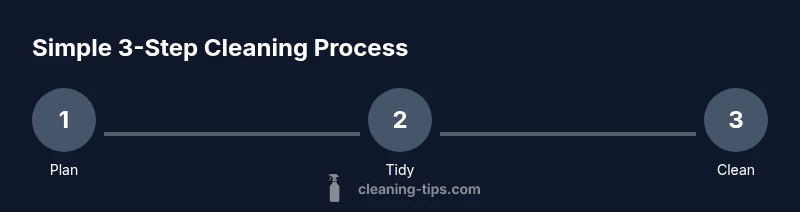
If you want to know how to clean without getting overwhelmed, start with a simple three-task framework, use short, timer-driven cleaning bursts, and maintain a lightweight weekly reset. Focus on one zone at a time, build a consistent routine, and keep your toolkit ready to go. This approach minimizes decision fatigue and makes cleaning feel doable every day.
Why cleaning without overwhelm matters
According to Cleaning Tips, how to clean without getting overwhelmed isn’t about heroic bursts or heroic moments of spotless perfection. It’s about installing a small, repeatable system that fits real life. Start with a three-pillar approach—space, routines, and mindset—to turn cleaning into a series of quick wins rather than a monolithic task. When you limit the scope to one zone at a time, you reduce decision fatigue and create momentum that compounds over days, not hours. In this guide, you’ll find practical steps you can implement today that protect your energy while improving your living space. The goal is a calmer home and a clearer mind, achieved through consistent, doable actions rather than dramatic, unsustainable sprint-cleaning.
The three-pillar framework: space, systems, mindset
Successful cleaning without overwhelm rests on three pillars. First, space: designate zones (e.g., kitchen counter, entryway, living room shelf) and keep a dedicated kit for each zone. Second, systems: create predictable routines (daily quick tidy, weekly deep clean, monthly reset) so your brain knows what comes next. Third, mindset: reframe cleaning as a series of small decisions that accumulate. By treating tasks as tiny experiments rather than monumental chores, you’ll feel more in control and less tempted to procrastinate. Throughout this section, think about how each pillar supports you during busy seasons and when guests arrive. The aim is to convert cleaning into a set of habitual actions rather than a cliff-edge event.
Build a starter kit: zones and quick-access tools
Effective cleaning starts with a lightweight starter kit and clearly defined zones. Identify 3–4 high-traffic areas and assemble compact, easy-to-grab toolkits for each one. Keep microfiber cloths, a spray cleaner, a small trash bag, and a checklist in each kit. Label storage bins or baskets so every item has a home and is easy to locate. This reduces friction: you won’t waste time hunting for supplies, and you’ll be more likely to start and finish a task. Space planning matters, too—store items near where you actually use them to minimize friction and maximize momentum.
Time-boxing and micro-cleans: short, purposeful bursts
Rather than attempting to clean for hours on end, use time-boxing to harness your energy. Set a timer for 5–10 minutes and tackle a single micro-task within that window. Examples include clearing a surface, wiping down a sink, or vacuuming a small area. The timer creates a sense of urgency and limits overthinking, which often fuels overwhelm. After each burst, assess what you’ve accomplished and decide whether to extend, move to another zone, or pause. This approach builds a habit of rapid, repeatable progress, even on days when motivation is low.
Weekly reset: a modest, predictable routine
A weekly reset anchors your system and prevents clutter from building up. Allocate a single 20–30 minute block to consolidate the week’s progress: return items to their homes, do a quick wipe-down of surfaces, and handle any outliers (e.g., laundry or dishes) before they snowball. The key is to keep the session light and consistent, not exhaustive. Pair your weekly reset with a simple ritual—a glass of water, a familiar playlist, or a specific chair-side checklist—that signals the end of the week and the start of a fresh cycle. Consistency beats intensity.
Avoiding common traps that derail momentum
Most overwhelm stems from misaligned expectations and information overload. Avoid perfectionism by embracing “good enough” as a standard for quick cleans. Don’t multitask every surface; instead, complete one surface thoroughly before moving on. Minimize decision fatigue by pre-planning your next steps and using checklists. Keep your goals clear: finish today’s brief task, reset tomorrow, and celebrate small wins. If you slip, reset quickly—don’t abandon the system. Remember that progress compounds, and a tiny, well-timed effort today yields noticeable results tomorrow.
Getting household members involved: shared spaces
Cleaning doesn’t have to be a solo activity. Involve household members by assigning simple, age-appropriate tasks and creating a rotating schedule for shared spaces. Make expectations visible with a chore chart or a quick family huddle once a week. When everyone understands their role, clutter reduces faster, and the mental load of keeping the home tidy becomes distributed. Keep praise specific and immediate—acknowledging small contributions reinforces positive habits and keeps motivation high for all involved.
Long-term momentum: turning habits into a lifestyle
Sustainable cleaning is less about occasional marathon sessions and more about consistency over time. Translate your framework into habits that survive busy seasons: a daily five-minute reset, a weekly 30-minute tidy, and a monthly deep-clean sprint for high-traffic zones. Track progress with a simple, visual system—sticker charts or a shared digital board—to reinforce steady improvement. As momentum builds, overwhelm fades, and cleaning becomes a routine you actually look forward to rather than dread.
Tools & Materials
- Microfiber cloths(Multiple colors for zones; keep separate cloths per area)
- All-purpose cleaner(Choose a mild formula; avoid harsh fumes)
- Spray bottle with water + vinegar mix(For quick, eco-friendly touch-ups)
- Bucket or caddy(Portable kit to move between zones)
- Trash bags(Keep a roll in each kit)
- Label maker or masking tape(Label storage bins and zones)
- Timer or stopwatch(Use for time-boxed bursts (5–10 minutes))
- Broom or mini vacuum(For quick debris pickup in zones)
- Gloves(Optional but helpful for longer sessions)
Steps
Estimated time: 60-90 minutes
- 1
Define zones
Identify 3–4 high-traffic areas to start (e.g., entry, kitchen counter, living room surfaces). Mark each zone with a simple label and assign a dedicated toolkit. This framing reduces decision fatigue and clarifies where you begin.
Tip: Keep zones small and clearly defined to avoid scope creep. - 2
Gather your starter kit
Assemble each zone’s tools in a portable caddy. Ensure you can grab it and go without hunting for supplies. Having everything on one cart minimizes barriers to starting a quick clean.
Tip: Pre-fill kits with your most-used supplies for instant access. - 3
Set a timer
Choose a 5–10 minute window and start. A timer creates urgency and keeps you from overthinking how to begin. You’ll often finish a micro-task before the time runs out.
Tip: If you finish early, stop and reset your timer for a second mini-task. - 4
Tidy before you spray
Quickly clear objects from the surface you’ll clean, then wipe or spray. This ensures your cleaning actions are effective rather than wasted on moving clutter.
Tip: Keep a dedicated surface for temporary clutter and a separate bin for items to Return. - 5
Wipe and sweep
Do a fast wipe of surfaces and a light sweep or vacuum of the area. Focus on prominent dust and stains that jump out immediately.
Tip: Don’t chase every speck—prioritize the most noticeable issues first. - 6
Reset and put away
Return items to their homes and wipe down the toolkit if needed. Resetting ensures the zone is ready for the next quick clean.
Tip: Take 1 minute to re-stack supplies and close containers. - 7
Log the next step
Note any carryover tasks for the next quick burst or weekly reset. This builds a simple continuity plan rather than a long to-do list.
Tip: Use a reusable notebook or checklist app for continuity.
Questions & Answers
What does it mean to clean without getting overwhelmed?
It means adopting a system that makes cleaning feel doable in small steps, rather than a daunting, all-at-once task. The goal is consistency and momentum, not perfection.
Cleaning without overwhelm means doing small, steady tasks that add up to a clean home without stressing you out.
How do I start if my space is chaotic?
Start with one zone and a simple kit. Define a 5–10 minute goal, clear clutter, and wipe surfaces. Building one small win creates confidence for the next step.
Begin with one zone, a quick kit, and a short timer to gain momentum.
What if I only have a few minutes each day?
Use daily micro-tasks that fit into your minutes: a surface wipe, a quick declutter, or a short sweep. Even small, consistent actions compound over time.
Even with a few minutes, you can make steady progress by focusing on one micro-task at a time.
Should I involve others in cleaning?
Yes. Assign simple tasks to household members and keep a visible chart. Shared responsibility reduces workload and improves motivation.
Getting others involved shares the load and keeps everyone accountable.
What tools do I actually need to start?
A small set of microfiber cloths, a multi-surface cleaner, a trash bag, a timer, and a compact vacuum or broom are enough to begin. You can add more later as you refine zones.
Start with a basic kit: cloths, cleaner, a timer, and a bin.
How often should I tidy to maintain momentum?
Aim for a daily quick tidy, a weekly reset, and a monthly deeper clean. This rhythm keeps clutter manageable and reduces weekend cleanup sweeps.
Daily quick tidies plus a weekly reset help sustain momentum.
Watch Video
The Essentials
- Identify 3–4 zones to start; keep scope small.
- Use 5–10 minute bursts to maintain momentum.
- A weekly reset prevents buildup and overwhelm.
- Involve others to share the mental load.
- Sustain momentum with simple, repeatable routines.