How to Get Cleaning Contracts: A Practical Guide for Cleaners
Discover a practical, step-by-step guide to winning cleaning contracts—from niche definition and proposal templates to targeted outreach, pricing strategies, and effective onboarding.


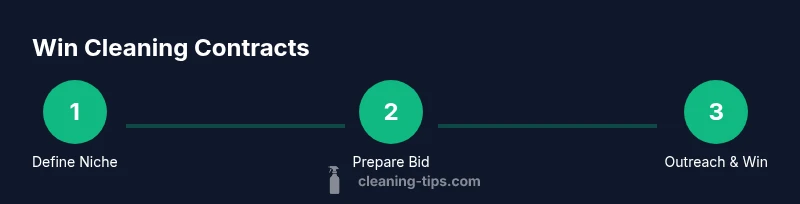
To get cleaning contracts, start by defining your service niche, pricing, and target clients (offices, schools, or healthcare). Build a polished proposal package, gather testimonials, and establish a professional online presence. Reach out with tailored bids, leverage local networking, and follow up systematically. Expect a multi-step process that combines marketing, quality assurance, and reliable operations.
Define Your Cleaning Niche and Value Proposition
To answer how to get cleaning contracts, you must begin with a crisp niche and a compelling value proposition. Your niche defines who you serve—offices, medical suites, schools, or multi-tenant buildings—and what makes your service stand out. According to Cleaning Tips, success starts with a clear service scope, fair pricing, and a strong portfolio. Build a one-page profile that outlines services, schedules, and outcome guarantees. This foundation helps you tailor bids and conversations with potential clients, rather than sending generic proposals. In practice, craft three client personas and map each to specific benefits, such as reduced downtime, improved appearance, or faster response times. This targeted approach reduces bid fatigue and increases the odds of securing a contract. The Cleaning Tips Team notes that a well-defined niche can dramatically improve outreach efficiency and bid response rates over time.
Understand the Market: Who Buys Cleaning Services?
Understanding your market is essential to knowing how to get cleaning contracts. Commercial buyers—facilities managers, office directors, and procurement teams—prioritize reliability, audit trails, and measurable results. Debrief with prospects to learn their pain points: evening cleaning only, green cleaning requirements, or specialized sanitation. Gather examples of SLAs or KPIs that matter to them, such as response time or cleaning frequency. This section also covers common procurement cycles, including RFPs, sole-source tenders, and informal quotes. By mapping the buyer journey, you can time your outreach when needs are most urgent and align your messaging to their selection criteria. The more you understand their environment, the more persuasive your bids will be and the more quickly you’ll earn trust.
Prepare a Professional Bid Package
Your bid package is your first impression. Create a modular template with sections for scope, pricing, schedules, and guarantees. Include a concise executive summary, a service level overview, and a 90-day transition plan. Attach references from similar properties, photos of clean facilities, and copies of relevant licenses or certifications. Ensure your package reflects compliance standards and safety protocols familiar to the buyer. A well-organized bid demonstrates professionalism and reduces back-and-forth, speeding up the decision cycle. Cleaning Tips analysis shows that buyers respond more positively to bids with clearly defined scope and measurable outcomes, so make your metrics concrete and easy to verify.
Prospecting and Outreach Playbook
Outreach is where many cleaners win or lose contracts. Build a targeted list of potential clients by geography, industry, and building size. Craft personalized emails that mention specific facility needs, past successes, and a quick next-step call. Use multiple channels: email, phone, and LinkedIn, and track responses in a simple CRM or spreadsheet. Schedule regular follow-ups and flag hot leads for immediate action. When possible, accompany outreach with a short, professional flyer or case study that illustrates a tangible result. Consistency matters: set a cadence (for example, one touch per week for six weeks) and adjust based on feedback. Remember, persistence often beats volume when quality is maintained.
Bidding vs. Negotiating: How to Price Clean Contracts
Pricing clean contracts requires balancing profitability with competitiveness. Start with a base price structure that covers labor, supplies, equipment wear, and overhead, then add value-based components such as guaranteed response times or green-cleaning options. When negotiating, emphasize your service levels, staffing plan, and contingencies for holidays or weather-related disruptions. Be transparent about ramp-up timelines and transition costs. Consider offering tiered packages (standard, enhanced, premium) to match different client sizes and budgets. Avoid undercutting too aggressively, which can trigger a race to the bottom and erode long-term value. A thoughtful pricing strategy signals reliability and reduces negotiation friction.
Demonstrating Quality: References, Certifications, and QA
Quality proof matters as much as price. Gather at least 3-5 references from properties similar in size and complexity, and collect before/after photos to illustrate outcomes. Include relevant certifications (OSHA safety training, green-cleaning credentials, or local health-safety endorsements) and a documented QA process. Present service level agreements and a simple KPI dashboard that clients can monitor, such as missed-cleaning rates or response times. Provide a clear onboarding checklist for new sites to minimize disruption and align teams quickly. By showcasing your track record and process, you reduce perceived risk and accelerate the path to a signed contract. Cleaning Tips emphasizes the importance of credible evidence and consistent communication during this stage.
Onboarding and Retention: From First Contract to Long-Term
Winning a contract is only the first milestone; successful onboarding and retention drive recurring revenue. Start with a formal kickoff meeting, align on schedules, and confirm a temporary transition period. Establish a simple daily and weekly reporting routine so clients can see progress and compliance. Solicit feedback early and often, then adjust service delivery to meet evolving needs. Build a site-specific playbook covering access control, security protocols, and escalation paths. A strong onboarding experience reduces churn and increases the likelihood of renewals, referrals, and multi-site expansions. The Cleaning Tips team recommends documenting every adjustment and maintaining proactive client communication to sustain long-term partnerships.
Building Your Online Presence and Marketing Materials
A credible online presence supports how to get cleaning contracts by amplifying trust and reach. Create a clean, professional website that lists services, client logos (with permission), case studies, and contact details. Use a concise portfolio page with measurable results and a downloadable one-pager. Optimize for local search with location-based keywords, and maintain active profiles on relevant platforms. Publish a few short, informative articles or tips that demonstrate expertise in cleaning operations, safety, and efficiency. Social proof matters, so curate testimonials and highlight client success stories. By combining a solid website with targeted content, you improve inbound inquiries and shorten the sales cycle.
Common Pitfalls and How to Avoid Them
Even with a solid plan, mistakes happen. Avoid vague scopes that invite scope creep, unrealistic promises, or inconsistent staffing that undermines reliability. Don’t neglect compliance documents, insurance coverage, or worker safety records—these are often gatekeepers for procurement teams. Resist pressuring clients with aggressive deadlines or opaque pricing; instead, offer clear timelines and transparent terms. Keep communications professional and data-driven, and document every negotiation step. The aim is to build trust from the first touch, so you can convert inquiries into signed contracts and maintain strong client relationships. The Cleaning Tips team underscores the importance of consistency and honesty in every interaction.
Tools & Materials
- Computer or laptop with internet access(Draft proposals, manage emails, and run outreach campaigns)
- Smartphone(Calls, messages, and quick follow-ups on the go)
- Printer and scanner (optional)(Print proposal packets for in-person pitches if needed)
- Proposal templates (editable Word/PDF)(Standardize scope, pricing, and SLAs across bids)
- Reference gathering sheet(List of 3–5 properties with contacts and permissions)
- Certifications/cert copies(Include licenses, safety training, or green-cleaning credentials)
- CRM or lead-tracking sheet(Track prospects, status, and follow-up dates)
Steps
Estimated time: 4-12 weeks
- 1
Define niche and service scope
Identify your target market (e.g., offices, healthcare, education) and define the exact services you will offer, frequency, and response times. Create three client personas and map benefits to each to tailor messaging.
Tip: Document your niche in a one-page profile to speed up bid customization. - 2
Build a bid package template
Create a modular template including executive summary, scope, pricing, schedules, and guarantees. Attach references, photos, and compliance documents. Ensure the template is adaptable for different client types.
Tip: Use a reusable checklist to ensure every bid includes required elements. - 3
Gather references and credentials
Collect at least 3–5 references from similar properties and copies of licenses or certifications. Prepare a short case study for each reference highlighting challenges and measurable outcomes.
Tip: Verify permission to share logo and property details with potential clients. - 4
Build a targeted outreach list
Compile prospects by geography, industry, and building size. Segment lists to customize messaging and prioritize high-potential leads.
Tip: Aim for a balance of new leads and warm referrals to maximize response rates. - 5
Submit bids and proposals
Send tailored proposals with a clear scope, schedule, and pricing. Include a brief SLA and a transition plan for onboarding.
Tip: Follow the client’s preferred channel and confirm receipt within 24 hours. - 6
Follow up and negotiate
Schedule a timely follow-up, answer questions, and adjust terms if needed. Highlight your differentiators and provide a concise value proposition.
Tip: Use a 2-step follow-up cadence: initial follow-up, then a final check-in after 5–7 days. - 7
Onboard the new client
Kick off with a formal meeting, align on schedules, access, and KPIs. Create a simple onboarding playbook and an initial 30/60/90-day plan.
Tip: Record decisions and share a written onboarding memo for clarity.
Questions & Answers
What is the first step to get cleaning contracts?
Define your niche and service scope. This shapes all bids and outreach and reduces wasted effort.
Start by defining your niche and scope to shape your bids and outreach.
How should I price cleaning contracts?
Use a base cost plus value-based add-ons, and offer tiered packages to match client needs while protecting profitability.
Price with a base plus value-added options, and offer tiers to fit client needs.
Do I need licenses or certifications?
Yes, depending on jurisdiction. Gather copies of safety training and any green-cleaning credentials to boost credibility.
Yes, collect relevant licenses and safety certifications to build trust.
How long does it take to win contracts?
Timing varies by market, but a disciplined outreach and bidding process typically spans weeks to months.
It varies, but expect weeks to months with steady outreach.
Should I target large facilities or small offices?
Start with mid-size facilities to build references quickly, then expand to larger sites as your portfolio grows.
Begin with mid-size sites to build credibility, then scale up.
Is online presence important for getting contracts?
Yes. A professional website and clear marketing materials boost credibility and inbound inquiries.
Yes—a strong online presence signals credibility and attracts inquiries.
What if a bid is rejected?
Ask for feedback, refine the scope and pricing, and reattempt with a revised proposal.
Seek feedback, update your bid, and try again with a better offer.
How can I ensure long-term client retention?
Deliver consistent quality, communicate regularly, and adapt to evolving client needs with proactive checks.
Deliver consistently and stay proactive with client communication.
Watch Video
The Essentials
- Define a clear niche and tailor every bid.
- Show evidence with references and certifications.
- Follow up consistently and adapt proposals as needed.
- Maintain organized records for long-term success.