How to Get Out of Cleaning Your Room: Practical Alternatives
Learn practical, respectful ways to avoid cleaning your room by negotiating chores, outsourcing, and using micro-habits. This educational guide from Cleaning Tips helps homeowners and renters keep peace while reducing effort.


To get out of cleaning your room, start with a candid boundary-setting talk, offer fair alternatives, and use minimal maintenance routines. This guide outlines practical scripts, negotiation strategies, and time-saving hacks—plus when to hire help—so you can avoid chores without creating conflict or clutter. It emphasizes respectful communication and practical compromises that keep shared spaces healthy.
Why avoiding cleaning your room can feel appealing
For many people, cleaning a room feels like a never-ending chore that interrupts more important tasks. The appeal of getting out of cleaning lies in saving time for work, study, or rest. When life is busy, a quick denial of chores can feel liberating. In this section we explore why the urge strikes and how to channel it without harming relationships or health. According to Cleaning Tips, a large part of the resistance comes from cognitive load—the mental effort required to decide what to do and when. Procrastination also rises when the task seems intimidating or when the space feels overwhelming. A key truth is that you don’t need to abandon cleanliness altogether; you can shift expectations, shrink the scope, and still maintain a livable room. By recognizing the drivers behind avoidance, you can choose strategy over resentment and turn a potentially tense situation into a constructive negotiation. The Cleaning Tips team found that clear boundaries, fair compromises, and a plan that keeps shared spaces safe and usable while respecting everyone’s time lead to better outcomes.
From a practical standpoint, the goal isn’t to abandon hygiene or order, but to reduce friction. If you live with others, a one-sided decline can damage trust and invite resentment. Framing the conversation around fairness and shared responsibilities—rather than personal defiance—helps you reach an outcome that works for everyone. If you’re solo, you can still benefit from a plan that minimizes effort while preserving a healthy living space. The aim is sustainable habit formation, not momentary avoidance. In the end, avoiding a fight is as important as avoiding the mess, and a calm, well-prepared approach tends to produce longer-lasting results.
The takeaway: recognizing why avoidance happens gives you leverage to negotiate better, shorter, and more realistic cleaning expectations that keep your space livable and relationships intact.
Tools & Materials
- Planner or calendar(Block time for negotiating or outsourcing chores; keep visible reminders)
- Conversation script(Prepare talking points to stay calm and focused)
- Timer or stopwatch(Use for 2–5 minute micro-cleaning drills to test effort thresholds)
- Budget for outsourcing cleaning(Set aside funds for a one-time or ongoing cleaning service if needed)
- Chore chart or app(Optional tool to track commitments and fairness)
- Smart reminder or note cards(Optional prompts to maintain agreement)
Steps
Estimated time: 60-120 minutes
- 1
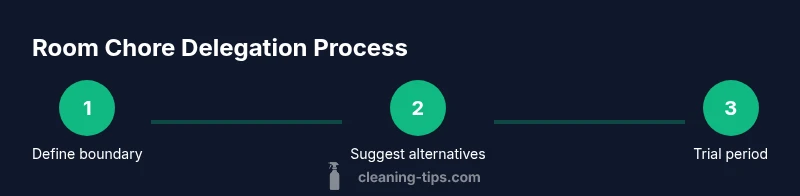
Define your boundary and objective
Identify exactly what you will and will not do regarding cleaning. Set a clear goal, e.g., “I won’t clean every week, but I’ll do a 2-minute daily tidy and delegate deeper tasks.” Why this matters: it provides a concrete target you can communicate to others.
Tip: Be specific about scope; vagueness invites disagreement. - 2
Prepare a concise negotiation script
Draft a short speech that explains why you want to reduce cleaning, plus proposed alternatives (micro-cleaning, rotating duties, or paid help). Rehearse with a friend or mirror to keep it natural.
Tip: Use “I” statements to avoid sounding accusatory. - 3
Initiate the conversation with your household
Choose a calm moment and present your boundary alongside fair alternatives. Invite input and show willingness to adjust within reason.
Tip: Start with a positive tone and a tangible, fair proposal. - 4
Offer practical alternatives
Propose aging-in-place options like a weekly 15-minute chore rotation or hiring a cleaner for a set frequency. Match alternatives to what your household can tolerate financially and schedule-wise.
Tip: Offer a trial period to test feasibility. - 5
Implement a minimal-maintenance plan
Adopt quick routines that prevent clutter buildup: a daily 5-minute tidy, a weekly 20-minute deeper check, and a simple laundry/garbage routine.
Tip: Consistency beats intensity; tiny bursts prevent buildup. - 6
Review and adjust after a trial period
Check in with everyone after 2–4 weeks. Note what worked, what didn’t, and adjust responsibilities or timing accordingly.
Tip: Document changes to avoid repeated debates. - 7
Decide on paid help if needed
If household members can’t meet reasonable standards, consider hiring help. Clearly outline expectations, budget, and success metrics for the new arrangement.
Tip: Define success metrics (timeliness, cleanliness level) upfront.
Questions & Answers
Is it okay to avoid cleaning if I share a space?
It's possible to reduce cleaning, but it should be done respectfully with clear boundaries and fair compromises. Open dialogue prevents resentment and maintains a healthy living environment.
Yes, but talk it through with roommates and offer fair alternatives.
How do I start the conversation without causing drama?
Pick a calm time, use I-statements, and propose concrete alternatives. Avoid blame, focus on mutual comfort and shared space.
Choose a good moment, speak calmly, and propose practical options.
What if my roommate disagrees with my plan?
Listen to their concerns, adjust the plan while preserving your boundaries, or propose a trial period for reassessment.
Listen, compromise, and try a short trial to build trust.
Are there quick hacks to make cleaning easier?
Use 2–5 minute micro-tasks, set a regular routine, and integrate simple tools like storage bins and timers.
Yes—tiny daily tasks keep things manageable.
When should I hire someone to clean my room?
If space requires frequent deep cleaning beyond your budget or tolerance, consider a paid service with clear expectations.
Hire help when it makes sense financially and practically.
What are the long-term impacts of avoiding cleaning regularly?
Prolonged neglect can lead to clutter, health concerns, and increased tension among housemates.
Avoiding cleaning can cause bigger problems over time.
Watch Video
The Essentials
- Set clear boundaries and goals.
- Offer fair alternatives and a trial period.
- Use empathy and non-confrontational language.
- Adopt micro-cleaning to reduce effort.
- Consider paid help when needed and fair for all.
- Reassess and adjust to maintain harmony.