How to Make Cleaning Your Room Fun: A Practical Guide
Discover practical steps to make cleaning your room enjoyable. From playlists and timers to routines and rewards, Cleaning Tips shows you how to transform chores into a quick, satisfying routine.


Turn cleaning into a quick, joyful routine using small steps, timers, and music. This guide shows practical, bite-sized actions to make cleaning your room fun, with playlists, routines, and simple rewards. You'll finish faster and feel accomplished, turning chores into a sense of control and pride. Each tip is designed for busy homes and can be tried tonight.
Why Making Cleaning Your Room Fun Matters
Cleaning your space is more than a chore; it’s a foundation for a calmer, healthier home. When you learn how to make cleaning your room fun, you turn an obligation into a series of achievable, rewarding moments. According to Cleaning Tips, transforming cleaning into an engaging activity improves consistency and mood, especially for busy homeowners and renters. The goal isn’t to ignore mess, but to shorten the path from clutter to clarity by embedding playfulness, decision speed, and small celebrations into each session. In this guide, you’ll discover practical strategies to make the process enjoyable, sustainable, and downright satisfying, even when life gets hectic. You’ll learn how to turn everyday tasks into quick wins, how to set up your space for success, and how to maintain momentum over time. By adopting a few simple shifts, you can go from seeing cleaning as a dragging obligation to appreciating the sense of control that comes with a well-organized room.
This introduction frames why making cleaning your room fun matters and sets the stage for actionable steps you can apply immediately. The emphasis is on sustainable momentum, not perfection, and on turning a routine chore into a small, repeatable victory that improves your living environment and mood.
Quick Wins to Make Cleaning Enjoyable
- Set a timer for short bursts (10-15 minutes) and commit to a single area. Time constraints create focus and a clear endpoint.
- Create a mood with music or a podcast. A great playlist can lift your energy and speed up the process.
- Break the work into micro-goals and reward yourself after each. Small celebrations reinforce progress and sustain momentum.
- Start by decluttering first. Clearing visible clutter instantly makes the space feel lighter and easier to clean.
- Improve ambiance with fresh air, natural light, and a pleasant scent. Sensory cues help you look forward to the session.
This block emphasizes practical, fast wins and helps readers understand how to implement fun into everyday cleaning without complicating their routine.
Build a Routine That Sticks
Habits form when actions repeat in a stable context. For how to make cleaning your room fun, anchor your cleaning session to a recurring time window, such as right after a morning routine or before winding down for the day. Use a simple cue, like placing your cleaning kit by the door, so you’re reminded to start. A consistent routine reduces mental friction and makes it easier to begin. Operationally, set a clear goal for each session (for example, “clear the desk and straighten the bookshelf”), then follow a lightweight checklist. People who apply consistent, small improvements over time experience greater satisfaction and less stress. Based on Cleaning Tips analysis, simple structure and positive reinforcement are key drivers of sustainable cleaning habits. Keep expectations realistic; you don’t need a perfect room every time—progress matters more than perfection.
Setting Up the Space for Fun Cleaning
Your room layout can dramatically affect how enjoyable cleaning feels. Prepare a cleaning zone with clearly labeled storage bins, a trash bag within easy reach, and a dedicated place for clothes and accessories. Color-coded bins simplify sorting, and a lightweight hamper speeds up laundry tasks. Use a sturdy, comfortable mat to stand on, and keep spare rags, microfiber cloths, and spray bottles within reach. If possible, position your workspace near a window to enjoy natural light and fresh air. A tidy, well-organized room is easier to clean and more inviting, so you’re less likely to procrastinate. The right tools—broom, dustpan, vacuum, and cloths—reduce friction and help you complete the job quickly. Finally, set a small reward at the end of the session to reinforce the behavior.
A 20-Minute Fun Cleaning Session: Example Plan
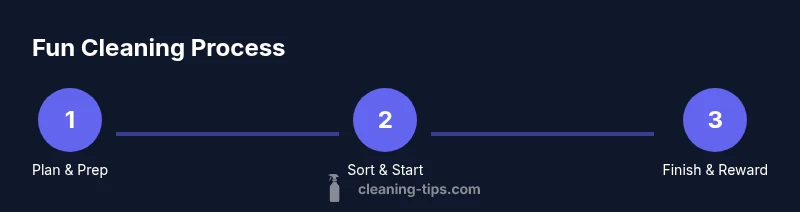
Here’s a compact, repeatable plan you can adapt to any room. Start with a timer set for twenty minutes and follow four rounds:
- Round 1 (0-5 minutes): Clear the floor and put stray items into three bins—keep, donate/sell, and trash. Quick sorting creates immediate visual progress.
- Round 2 (5-12 minutes): Wipe down surfaces, dust a shelf, and organize the desk. Use a microfiber cloth for best results and to minimize streaks.
- Round 3 (12-16 minutes): Vacuum or sweep the floor, moving obstacles out of the way if safe to do so.
- Round 4 (16-20 minutes): Tidy storage spaces, return items to their homes, and add a finishing touch like replacing a decorative item or freshening the air.
End with a quick recap and a small reward, such as a short break to enjoy a favorite drink or snack. This plan emphasizes momentum, not perfection, and makes the process feel doable in a tight window.
Measure Progress and Keep Momentum
Keep a lightweight log of what you accomplished in each session and celebrate the streak. Photos before/after create a visible record of progress and can be motivating when motivation dips. Reinforce the habit by pairing your cleaning routine with a personal cue—another daily activity you already do. The goal is consistency rather than intensity, so you can maintain a cleaner room over time without burnout. The Cleaning Tips team recommends reviewing your routine monthly, adjusting for changes in your schedule, and continuing to experiment with small tweaks. With the right setup and mindset, learning how to make cleaning your room fun becomes a repeatable, sustainable practice that improves your living environment and your mood.
Tools & Materials
- Trash bags(Carry multiple sizes, preferably with drawstrings)
- Laundry hamper or bag(For collecting clothes and textiles)
- Microfiber cloths(At least 3; color-coded if possible)
- All-purpose cleaner or natural alternatives(Choose non-toxic option for safety)
- Vacuum cleaner or broom/dustpan(Essential for floors)
- Music device or speaker(Optional for playlists)
- Timer or smartphone(Pace the task)
- Storage bins or organizers(Helpful for tidying)
Steps
Estimated time: 20-30 minutes
- 1
Set the scene
Choose a 20-30 minute window, gather supplies, and set your timer. Clear the immediate area to reduce distractions and create a focused workspace.
Tip: Place your cleaning kit by the door to cue readiness. - 2
Sort clutter quickly
Create three bins labeled Keep, Donate/Trash, and Maybe. Sort items as you scan the room, avoiding overthinking each piece.
Tip: Keep bins within arm's reach to minimize trips. - 3
Tidy surfaces
Wipe desks, shelves, and other horizontal surfaces with a microfiber cloth to remove dust and fingerprints.
Tip: Dust from top to bottom to prevent re-dusting. - 4
Tackle the floor
Vacuum or sweep the floor, moving lightweight furniture only if safe, and reach under edges for hidden dirt.
Tip: Use attachments for corners and under furniture. - 5
Organize storage
Return items to their designated homes, straighten shelves, and minimize visual clutter.
Tip: Label storage bins for quick future sorting. - 6
Reward and reset
Take a quick before/after photo and treat yourself to a small reward after completing the session.
Tip: Schedule a regular reward to reinforce the habit.
Questions & Answers
How can I make room cleaning feel less like a chore?
Turn tasks into quick challenges, use a timer, and celebrate small wins. Music and rewards help sustain motivation.
Turn tasks into quick challenges, set a timer, and celebrate small wins to stay motivated.
What should I do first when cleaning?
Begin by removing obvious clutter and sorting items into trash, donation, and keep piles. This creates instant visual progress.
Start by removing clutter and sorting items into trash and keep piles.
How long should a cleaning session last?
Aim for 20-30 minutes for a focused clean, then take a short break before continuing if needed.
Aim for 20-30 minutes, then take a short break.
Which tools make cleaning more fun?
A good playlist, timer, and color-coded bins turn cleaning into a manageable, engaging activity.
Use a playlist, timer, and color-coded bins to stay engaged.
Is it okay to invite someone to clean with me?
Yes. Cleaning with a friend or family member creates accountability and shared motivation.
Cleaning with someone can be more motivating.
Watch Video
The Essentials
- Set a timer to create focused, time-bound bursts.
- Gamify the session with micro-goals and small rewards.
- Prepare the space with bins, light, and music.
- Finish with a quick win and a celebration to reinforce behavior.
- Track progress to stay motivated over time.